

Choosing the Right Engine Oil Pressure Switch for Your 1964-1965 GMC B3500
Understand the key differences between oil pressure switches and sending units to keep your classic GMC's engine safe.
- First, confirm if your truck has a warning light (switch) or a pressure gauge (sending unit) and buy the correct part.
- Always verify a low oil pressure reading with a mechanical gauge before assuming the sensor is bad.
- Standard Ignition is a reputable aftermarket brand; Global Parts is a more budget-oriented choice.
- Do not use excessive Teflon tape on the threads; it can cause installation and grounding issues.
Is it a Switch or a Sending Unit?
Before you buy, you must know what your truck uses. The two parts look similar but work differently.
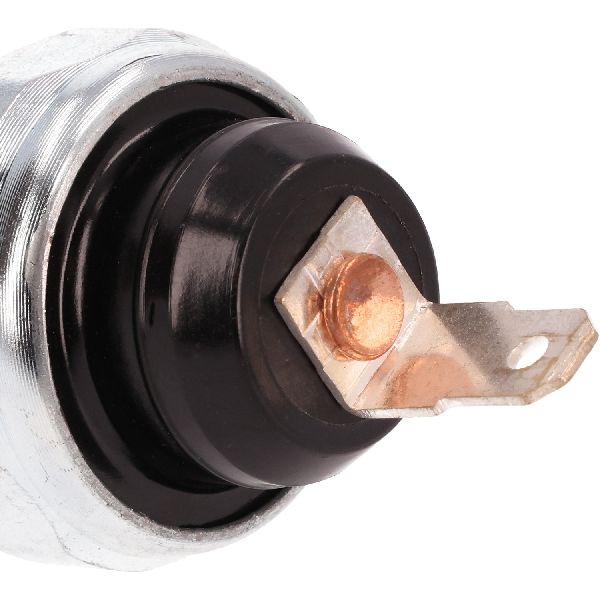
- Oil Pressure Switch: This is for trucks with a simple warning light (often called an 'idiot light'). It's a simple on/off switch. When oil pressure is good, the switch is open. When pressure drops below a set point (usually 5-10 PSI), it closes the circuit and turns on the light.
- Oil Pressure Sending Unit (Sender): This is for trucks with an oil pressure gauge on the dashboard. It sends a variable electrical resistance signal to the gauge, which moves the needle to show the current pressure. Using the wrong part will result in the gauge not working or the light staying on or off incorrectly.
Symptoms of a Failing Oil Pressure Switch
A bad oil pressure switch or sender can create confusing and alarming situations. Here’s what to look for:
- Oil light stays on: If the warning light is on constantly, but you've checked your oil level and it's fine, the switch itself could be faulty and stuck in the 'on' position.
- Oil light flickers: A flickering light, especially at idle or when the engine is hot, can mean the switch is failing or, more seriously, that your oil pressure is borderline low. This should be investigated immediately.
- Gauge reads zero: If you have a gauge and it's always at zero with the engine running, the sending unit may have failed completely.
- Gauge is maxed out: A gauge needle that shoots to the maximum reading and stays there, even with the key on but the engine off, often indicates a shorted-out sending unit.
Warning: Don't Ignore Oil Pressure Warnings
Never assume a warning light or a low gauge reading is just a bad sensor. Always check your engine oil level first. If the level is correct, it's best to have the actual oil pressure tested with a mechanical gauge to rule out a serious engine problem before replacing the switch.
Choosing the Right Aftermarket Brand
For a vehicle from the mid-1960s, new original equipment (OEM) parts are no longer available. Your only option is the aftermarket. Quality can vary, so it's important to choose wisely.
- Standard Ignition (Standard Motor Products): Standard is a well-known aftermarket manufacturer with a long history. They produce a wide range of engine management parts and are generally considered a reliable, high-quality option for replacement components. They often engineer their parts to meet or exceed original specifications.
- Global Parts: This brand appears to be a more budget-focused or generic option. While it may offer a lower price point, there is less verifiable information available about its manufacturing standards or long-term reliability compared to more established brands like Standard Ignition.
Pro Tip: Installation
When replacing the switch, apply a small amount of thread sealant to the new part's threads to prevent leaks. Avoid using excessive amounts of Teflon tape, as pieces can break off and clog oil passages, and it can prevent the switch from making a good ground connection with the engine block. Some replacement senders may also require a small brass adapter fitting to provide clearance from the engine block or intake.
Frequently Asked Questions (FAQ)
Where is the oil pressure switch located on my 1964-1965 GMC B3500?
On most GM V8 and inline-six engines of this era, the oil pressure switch or sending unit is located on the engine block. It is typically found near the distributor, at the top rear of the engine. It will be a small, canister-shaped sensor with a single wire connected to it.
Can I replace the oil pressure switch myself?
Yes, this is a straightforward job for a DIY mechanic. It requires basic tools, though sometimes a special oil pressure switch socket is needed for easier access. The process involves disconnecting the battery, unplugging the wire, and unscrewing the old unit before installing the new one.
Are there any recalls for the oil pressure switch on my truck?
No, there are no active recalls or Technical Service Bulletins (TSBs) from the NHTSA for the engine oil pressure switch on the 1964-1965 GMC B3500. Recalls for vehicles of this age are extremely rare.
Should I replace my warning light with a full gauge?
Many classic truck owners prefer the detailed information an oil pressure gauge provides over a simple warning light. Converting requires installing a sending unit instead of a switch, running a new wire (or using the existing one), and installing an aftermarket gauge. It is a popular and recommended upgrade for anyone who wants to keep a closer eye on their engine's health.
Technical Specifications
The primary specification is whether the part is a switch for a warning light or a sending unit for a gauge. Thread size is also critical for proper fitment into the engine block.
We Have This Part in Stock


The information in this article is provided for general reference and educational purposes only. Vehicle specifications, procedures, and part compatibility can vary by production date, trim level, and region. Always consult your vehicle's factory service manual and verify part numbers before purchasing or performing repairs. Safety-critical components such as airbags, seat belts, and braking systems should be installed by a qualified professional.