

A Guide to the 1964 Studebaker Challenger Voltage Regulator
Understanding the heart of your classic Studebaker's charging system to ensure reliability on the road.
- The voltage regulator is essential for protecting the battery and electrical system in your 1964 Challenger.
- Symptoms like flickering lights and a frequently dead battery often point to a failing regulator.
- Modern aftermarket brands like Standard Ignition offer reliable, updated replacements that are superior to original parts.
- Replacement is a simple, low-cost job that most owners can perform themselves in under an hour.
Is Your Studebaker's Voltage Regulator Failing?
For a classic vehicle like the 1964 Studebaker Challenger, electrical issues can often be traced back to the charging system. The original mechanical voltage regulators can wear out over time. Recognizing the signs of a failing regulator can save you from a breakdown and protect other electrical parts from damage.
Key Symptoms of a Bad Voltage Regulator:
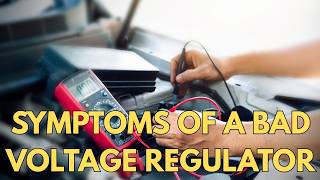
🎬 See a visual breakdown of failing regulator signs.- Dimming or Flickering Lights: Headlights and dash lights may flicker, or grow brighter as you rev the engine and dimmer at idle. This indicates the regulator is failing to provide stable voltage.
- Battery Problems: A common sign is a battery that repeatedly dies or won't hold a charge. Conversely, if the regulator allows overcharging, you might notice the battery case swelling, bubbling fluid, or a rotten egg smell. An overcharged battery can be permanently damaged.
- Charging System Warning Light: The "GEN" or "AMP" light on your dashboard may illuminate, signaling a problem with the generator's output, which is controlled by the regulator.
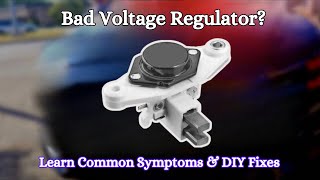
- Poor Engine Performance: Inconsistent voltage can affect the ignition system, leading to issues like engine sputtering, stalling, or rough idling. 🎬 Watch this guide on common symptoms and DIY fixes.
A Note on Testing
Before replacing the regulator, it's wise to have the generator itself tested to ensure it's working correctly. A simple multimeter test on the battery with the engine running should show a voltage between 13.8 and 14.4 volts. Readings that are too high or too low often point to a faulty regulator.
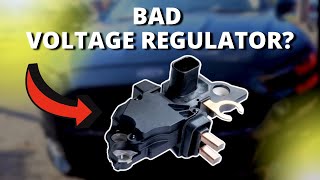
🎬 Learn how to identify and fix voltage regulator issues.Choosing the Right Aftermarket Regulator
Finding a "New Old Stock" (NOS) OEM Studebaker regulator is nearly impossible and would be very expensive. Fortunately, modern aftermarket replacements offer superior reliability. For the 1964 Challenger, which uses a generator, you will need an external, mechanical-style regulator.
Standard Ignition is a well-regarded brand that produces new aftermarket voltage regulators compatible with the 1964 Studebaker's charging system. Their modern electronic regulators are often designed to look like the original mechanical units but are encapsulated in epoxy. This design provides better resistance to failure from vibration and corrosion, offering a longer service life than the original 1960s technology.
Pro Tip: Match the Regulator to the Generator
Studebakers of this era could have been equipped with generators from different manufacturers (like Auto-Lite or Delco). While most aftermarket parts are designed for broad compatibility, always check the number of terminals on your old regulator to help ensure a correct match.
Replacement Cost
Replacing the voltage regulator on a 1964 Challenger is a straightforward and affordable job. The part is typically mounted on the firewall and is easily accessible.
| Part Type | Estimated Cost |
|---|---|
| New Aftermarket (Standard Ignition) | $80.97 - $117.75 |
| Shop Labor | $50 - $100 |
Frequently Asked Questions (FAQ)
Can I drive with a bad voltage regulator?
It is not recommended. If the regulator is undercharging, your car will run only until the battery is depleted, leaving you stranded. If it is overcharging, you risk permanently damaging the battery and other sensitive electrical components.
Is this a difficult part to replace myself?
No, this is a very DIY-friendly job for most owners. The regulator is usually mounted on the firewall with a few screws and has a simple wiring connector. The entire process typically takes less than an hour.
Are there any recalls for the 1964 Studebaker Challenger voltage regulator?
No, searches of the National Highway Traffic Safety Administration (NHTSA) database show no open or past recalls for the 1964 Studebaker Challenger related to the voltage regulator or charging system.
What is the difference between a regulator for a generator and one for an alternator?
Your 1964 Challenger uses a generator, which requires an external regulator to manage its voltage output. Most modern cars use alternators, which typically have a smaller, solid-state regulator built directly into them. It is crucial to use a regulator specifically designed for a generator system.
Helpful Videos
Technical Specifications
OEM Part Numbers: 1556952
External, 12-Volt, 3-Terminal, For use with Generator systems.
We Have This Part in Stock


The information in this article is provided for general reference and educational purposes only. Vehicle specifications, procedures, and part compatibility can vary by production date, trim level, and region. Always consult your vehicle's factory service manual and verify part numbers before purchasing or performing repairs. Safety-critical components such as airbags, seat belts, and braking systems should be installed by a qualified professional.