

Radiator Coolant Hose Guide for the 1964 Studebaker Challenger
Keep your classic Studebaker's engine cool and reliable with the right new aftermarket radiator hoses.
- For a 1964 Studebaker, new aftermarket hoses from brands like Gates or Dayco are the best choice, as their materials are superior to aged original parts.
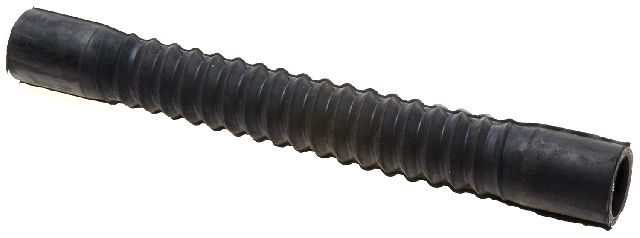
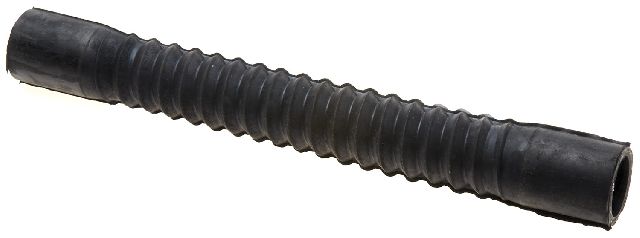
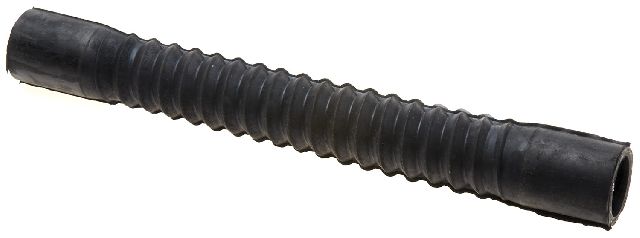
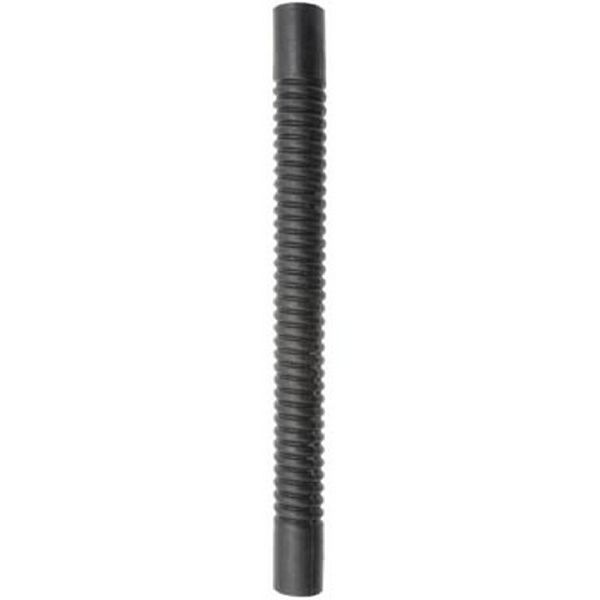
- Always choose a molded hose over a universal 'flex' hose to ensure correct fit and prevent kinks.
- Inspect hoses regularly for cracks, swelling, or a spongy feel, as rubber degrades over time.
- If one radiator hose needs replacement, it is best practice to replace both the upper and lower hoses and the clamps at the same time.
Signs of a Failing Radiator Hose
On a classic car like a 1964 Studebaker, rubber parts are often the first to degrade due to age. Regularly inspecting your radiator hoses can prevent a breakdown on the road. Look for these common symptoms:
- Coolant Leaks: Puddles of sweet-smelling green or yellow fluid under the front of your car are a clear sign of a leak. Check where the hoses connect to the radiator and engine, as the clamps can loosen over time.
- Visible Damage: Look for cracks, splits, or bulging areas on the hoses. If a hose has been contaminated with oil, it may swell and feel soft or spongy.
- Spongy or Hard Hoses: When the engine is cool, squeeze the hoses. They should feel firm but have some give. A hose that feels mushy, spongy, or rock-hard and brittle is ready to be replaced.
- Engine Overheating: A faulty radiator hose is a common reason for an engine to overheat. The hose could have a leak, or it could collapse internally, which restricts coolant flow even if it looks fine from the outside.
- Collapsed Lower Hose: The lower hose is on the suction side of the water pump. On many older cars, it had an internal spring to keep it from collapsing. If the hose wall weakens with age, it can be sucked flat, starving the engine of coolant. If you see this, the hose must be replaced immediately.
Choosing the Right Aftermarket Hose
For a classic vehicle like the 1964 Studebaker Challenger, finding new original equipment (OEM) parts is nearly impossible. Fortunately, modern aftermarket hoses from reputable brands like Gates and Dayco are excellent replacements. The rubber compounds used today are often superior to the original 1960s materials, offering better durability and heat resistance.
Molded vs. Flexible Hoses
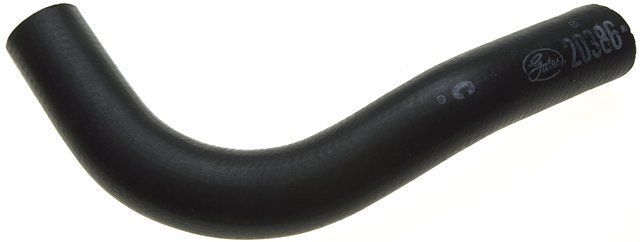
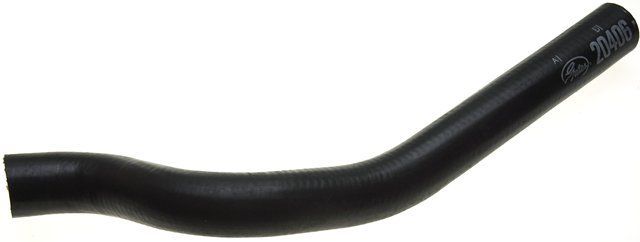
Always choose a direct-fit molded hose. These are pre-shaped to match the original routing, which prevents kinks and stress on your radiator connections. A universal or "flex" hose should only be used as a temporary, emergency repair.
Brand Tiers: Gates vs. Dayco
Both Gates and Dayco are well-regarded, top-tier aftermarket manufacturers. For your Studebaker, either brand is a solid choice. Forum discussions among classic car owners show that both are used with confidence. Some users feel Gates products can have a better out-of-the-box fit, while others note that Dayco hoses can feel slightly thicker. The most important factor is ensuring you have the correct part number for your specific engine (6-cylinder or V8) to guarantee proper fitment.
| Part Type | Price Range |
|---|---|
| New Aftermarket Radiator Hose (Dayco, Gates) | $21.65 - $40.53 |
Frequently Asked Questions
Should I replace both hoses at the same time?
Yes. If one hose has failed due to age, the other is likely in similar condition. Replacing both the upper and lower hoses at the same time is a smart way to ensure the reliability of your cooling system.
Do I need to replace the hose clamps too?
Yes, it is highly recommended to replace the hose clamps when you replace the hoses. This ensures a tight, leak-free seal. Modern spring-type or worm-gear clamps are reliable choices.
Are aftermarket hoses better than New Old Stock (NOS)?
Yes. While finding a true NOS Studebaker hose is rare, rubber degrades over time even when unused. A new aftermarket hose from a quality brand like Gates or Dayco is made with modern, more durable rubber compounds and will be more reliable than a 60-year-old original part.
What kind of coolant should I use in my Studebaker?
For a classic car like a 1964 Studebaker, a traditional, ethylene glycol-based "green" coolant is typically the correct choice. Always consult your service manual for specific recommendations.
Technical Specifications
Hoses are specific to the engine type (6-Cylinder or V8). Molded construction is required. Some hoses may have different inside diameters on each end.
We Have This Part in Stock

The information in this article is provided for general reference and educational purposes only. Vehicle specifications, procedures, and part compatibility can vary by production date, trim level, and region. Always consult your vehicle's factory service manual and verify part numbers before purchasing or performing repairs. Safety-critical components such as airbags, seat belts, and braking systems should be installed by a qualified professional.