

Accessory Drive Belt Guide for the 1964 Studebaker Challenger
Keep your classic Studebaker running reliably by understanding its V-belt system.
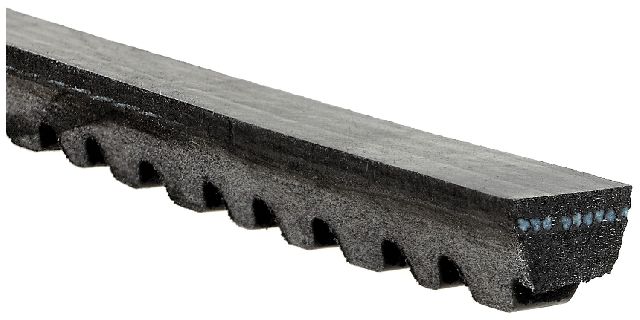
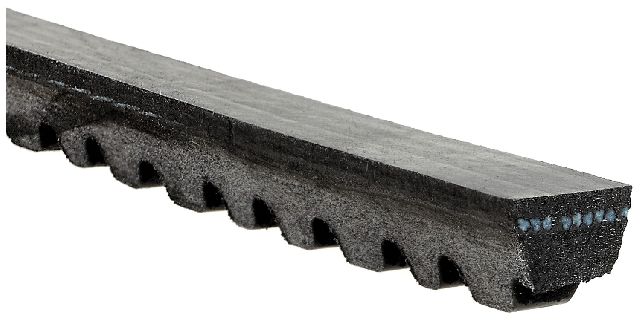
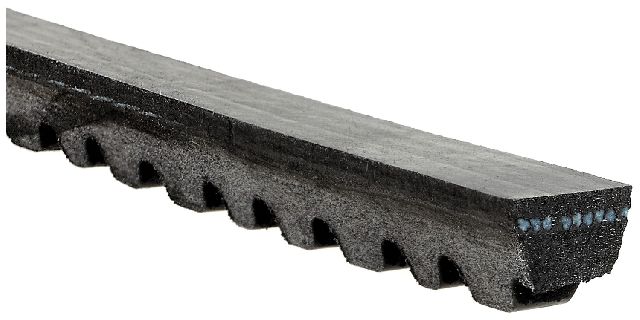
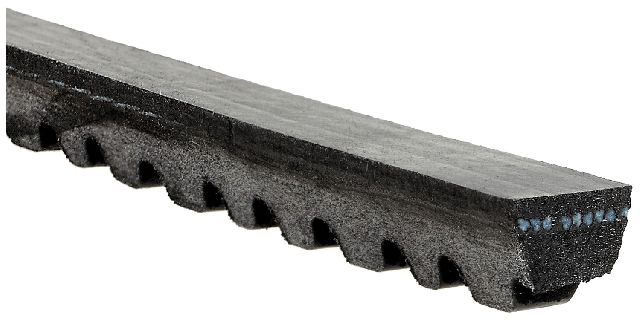
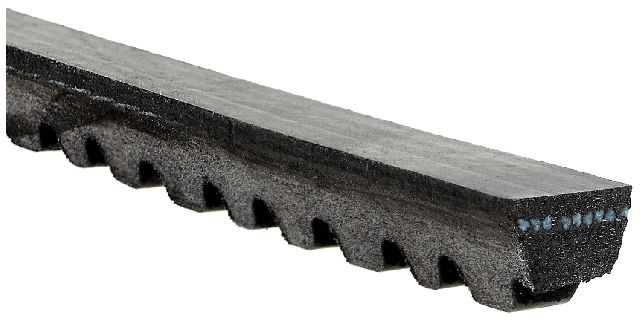
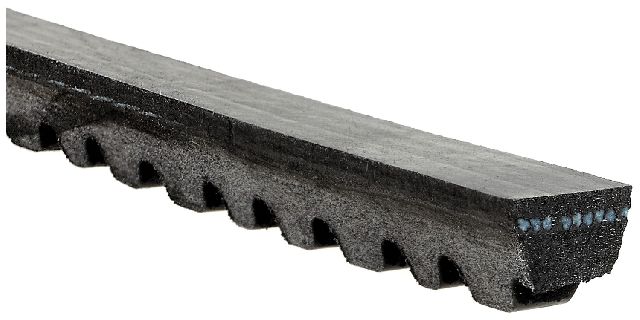
- Your 1964 Challenger uses a V-belt system, which may consist of multiple belts, not a single serpentine belt.
- Modern aftermarket belts from brands like Dayco and Gates are superior in quality and durability to aged New Old Stock (NOS) parts.
- The most common ordering mistake is getting the wrong size; always verify the belt length needed for your specific engine and accessory combination.
- A squealing noise is a clear warning sign that your belt needs immediate inspection for tension or wear.
Signs of a Failing Accessory Drive Belt
On a classic car like the 1964 Studebaker Challenger, the rubber V-belts are exposed to constant heat and stress. They will provide clear warning signs when they are wearing out. Ignoring these symptoms can lead to a breakdown from an overheating engine or a dead battery. Look and listen for these common issues:
- Squealing Noises: A high-pitched squeal is the most common symptom. This noise, often worse when you start the engine or accelerate, is caused by a belt slipping on its pulleys due to wear, improper tension, or contamination.
- Visible Damage: A quick visual inspection can tell you a lot. Look for deep cracks, fraying edges, missing chunks of rubber, or a shiny, smooth surface known as glazing. Any visible damage means the belt is compromised and should be replaced.
- Charging or Overheating Issues: If the "GEN" (Generator) light on your dashboard flickers or your engine temperature gauge starts to climb, a slipping or broken belt could be the cause. A belt that can't properly turn the generator or water pump will quickly lead to a dead battery or an overheating engine.
Pro Tip: Check Your Pulleys
When replacing a belt, always inspect the pulleys for rust, damage, or residue. A worn or misaligned pulley can damage a new belt and cause noise. Clean the pulley grooves with a wire brush before installing a new belt to ensure a good grip.
Choosing the Right Aftermarket Belt
Original Studebaker belts are no longer made. While you might find a "New Old Stock" (NOS) part, using a rubber belt that is decades old is not recommended. Rubber degrades over time from exposure to heat, light, and ozone, even in storage. A 60-year-old NOS belt is more of a risk than a reliable part.
Modern aftermarket belts are the superior choice. Brands like Dayco and Gates are well-regarded in the classic car community and produce belts with modern EPDM rubber compounds. These materials resist heat, oil, and cracking far better than the original 1960s neoprene belts, offering better performance and a longer service life.
The Biggest Challenge: Finding the Right Size
The most common mistake when ordering belts for a 1964 Challenger is getting the wrong size. Studebaker offered multiple engine options (I6 and V8) and various accessories, resulting in different belt configurations. Always verify your car's specific setup. If you are unsure, measuring the length of your old belt is the most reliable method to find a match.
Estimated Replacement Costs
Replacing the V-belts on a 1964 Challenger is an affordable job. The main cost is the part itself, as labor is straightforward for a DIYer or a professional mechanic.
| Part/Service | Estimated Cost |
|---|---|
| New Aftermarket Belt (per belt) | $22.65 - $30.87 |
| Shop Labor | $50 - $150 |
| New Old Stock (NOS) Belt | Varies (Not Recommended) |
Note: Prices are estimates and can vary based on your location and specific vehicle configuration. Labor costs are typically based on a minimum shop charge.
Frequently Asked Questions (FAQ)
Can I replace the accessory belts myself?
Yes, this is a very DIY-friendly job on a 1964 Studebaker. The process involves loosening the bolts on an accessory (usually the generator), pivoting it to release tension, removing the old belt, and installing the new one. Re-tensioning is done by pulling the accessory tight before tightening the bolts.
How many belts does my Challenger have?
It depends on your engine and options. A base model with a six-cylinder engine might have only one or two belts. A V8 model with power steering and air conditioning could have three or more individual V-belts. You must inspect your specific car to know for sure.
How do I get the right tension on the new belt?
Proper tension is critical. If it's too loose, the belt will slip and squeal. If it's too tight, it will cause premature wear on the bearings of the water pump and generator. A common rule of thumb for V-belts is that at the longest point between pulleys, you should be able to twist the belt about 90 degrees (a quarter turn) with your fingers.
Should I replace all the belts at once?
It is highly recommended. If one belt is old enough to fail, the others are likely in similar condition. Replacing them all at the same time is efficient and provides peace of mind.
Technical Specifications
The 1964 Studebaker Challenger uses a V-belt system. The exact quantity, length, and width of the belts depend on the engine (170ci I6, 259ci V8, or 289ci V8) and which accessories are installed (e.g., power steering, A/C).
We Have This Part in Stock

The information in this article is provided for general reference and educational purposes only. Vehicle specifications, procedures, and part compatibility can vary by production date, trim level, and region. Always consult your vehicle's factory service manual and verify part numbers before purchasing or performing repairs. Safety-critical components such as airbags, seat belts, and braking systems should be installed by a qualified professional.