

Choosing the Right Spark Plugs for Your 1963-1974 Buick Riviera
Keep your classic Riviera's V8 running smoothly with the correct set of spark plugs.
- For most stock 1963-1974 Rivieras, standard copper-core spark plugs from brands like ACDelco or NGK are the best choice.
- Verify the correct plug for your specific engine (Nailhead, 430, or 455) as they are not all interchangeable.
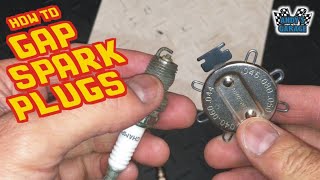
- Always check and adjust the spark plug gap before installation; a typical gap for a stock ignition is 0.035 inches.
- Reading your old plugs can help diagnose other engine issues, such as a rich fuel mixture or oil consumption.
Signs of Failing Spark Plugs
Worn or fouled spark plugs can cause a number of noticeable problems in your Riviera. Because these classic cars have less advanced ignition and fuel systems than modern vehicles, they can be more sensitive to spark plug condition. Look out for these symptoms:
- Rough Idle: One of the most common signs. The engine may shake or vibrate more than usual when stopped.
- Engine Misfires: You might feel a hesitation or stumble during acceleration. This happens when a cylinder fails to fire correctly.
- Difficulty Starting: A weak spark makes it harder for the engine to fire up, especially when cold.
- Reduced Fuel Economy: When plugs don't fire efficiently, fuel is wasted, and you'll notice more frequent trips to the gas station.
- Poor Acceleration: If the car feels sluggish or lacks its usual power, worn plugs could be the culprit.
Don't Ignore Fouled Plugs
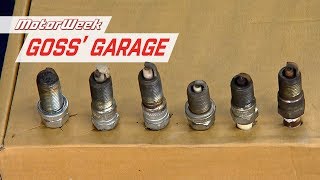
A spark plug that is black and sooty or oily can indicate other engine problems. A black, dry, sooty plug suggests the fuel mixture is too rich, possibly from a carburetor issue. A plug coated in oil points to potential issues like worn piston rings or valve guides, which is common in older, high-mileage engines.
🎬 Watch: How to read your spark plugs for engine health.Choosing Your Aftermarket Spark Plugs
For a 1963-1974 Buick Riviera, you don't need fancy, expensive spark plugs. The original ignition systems were designed for traditional copper-core plugs, and in most cases, they are still the best choice for a stock or lightly modified engine. Owners and mechanics on classic car forums frequently recommend sticking with these standard plugs for reliability.
Engine-Specific Plugs are a Must
The 1963-1974 Riviera used different V8 engines, and they don't all use the same spark plug. Using the wrong plug can cause poor performance or even engine damage. Always verify the correct part for your specific engine:
- 1963-1966: 401 or 425 "Nailhead" V8
- 1967-1969: 430 V8
- 1970-1974: 455 V8
The original AC Delco 44S plug has been discontinued, but replacements like the R43S or R45S are commonly used. The "R" indicates a resistor plug, which is recommended for the stock ignition system, while the number indicates the heat range. Many owners prefer the slightly hotter R45S plug to help burn off deposits from modern fuels.
What About Platinum and Iridium?
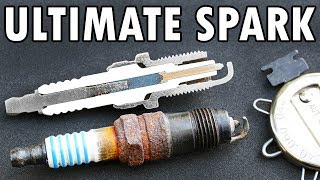
While modern plugs made from platinum or iridium last longer, they are not necessary for these classic engines and offer little to no performance benefit. Their fine-wire tips can sometimes be less tolerant of the richer fuel mixtures found in carbureted engines. Sticking with a quality copper plug from a trusted brand is a reliable and cost-effective strategy.
Aftermarket Brand Tiers
Here’s a breakdown of available brands, from top-tier to budget-friendly options:
- Top Tier / OEM-Equivalent: These brands are known for their quality and are often recommended by Riviera owners.
- ACDelco: As the original GM parts supplier, ACDelco is the closest you can get to the factory plug. Their conventional copper plugs (like the R45S) are a perfect match for these engines.
- NGK: Highly regarded by classic car enthusiasts for their quality and reliability. Their V-Power copper plugs are an excellent choice.
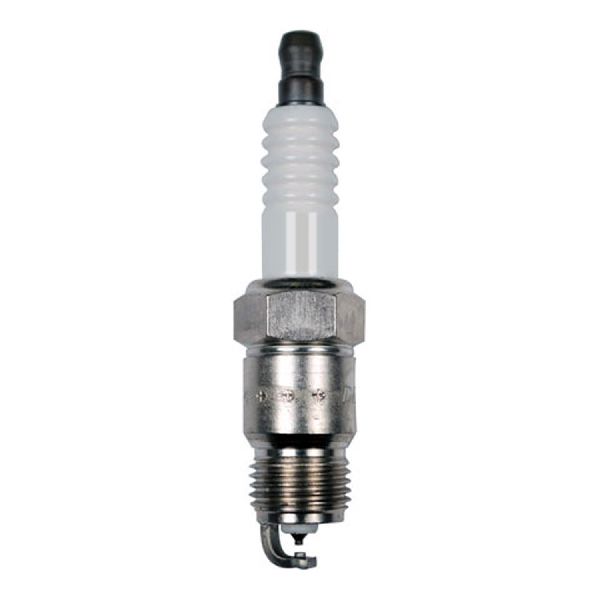
- Denso: Another top-quality Japanese brand known for excellent manufacturing and reliability.
- Reliable Aftermarket: These brands have a long history and offer dependable performance at a great price.
- Autolite: A popular and trusted American brand. Their standard copper plugs are a solid choice for any Riviera.
- Champion: A historic brand that was original equipment on many classic cars. Their Copper Plus plugs are a dependable option.
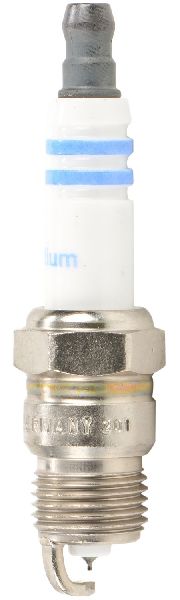
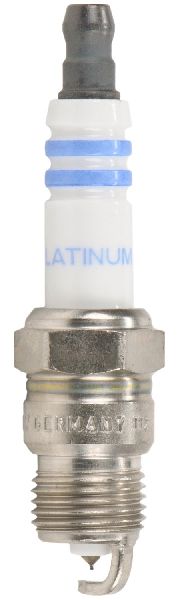
- Bosch: A German brand with a reputation for quality engineering. Some owners have had good results with their platinum plugs, even on older engines.
- Performance / Specialty:
- MSD: Known for performance ignition systems, they also offer spark plugs designed for high-performance applications.
- Accel: Another brand focused on performance ignition components.
- Standard Replacement:
- Skyward: A budget-friendly option that meets basic requirements for a standard replacement.
Cost of New Spark Plugs for a 1963-1974 Buick Riviera
| Category | Price Range (Set of 8) | Notes |
|---|---|---|
| Budget Aftermarket (e.g., Skyward) | $28 - $40 | Basic copper plugs that meet minimum specifications. |
| Standard Aftermarket (e.g., Autolite, Champion) | $30 - $50 | The sweet spot for most owners. Reliable copper plugs from trusted brands. |
| Premium Aftermarket (e.g., ACDelco, NGK) | $40 - $70 | Top-quality copper plugs known for excellent performance and reliability. |
| Performance / Precious Metal (e.g., Iridium, MSD) | $70 - $97+ | Generally not required for stock engines but can be used in modified or high-performance applications. |
Frequently Asked Questions (FAQ)
How often should I change the spark plugs on my Riviera?
For standard copper spark plugs in these classic engines, a good interval is every 10,000 to 15,000 miles 🎬 Watch: How to change spark plugs in a classic car. or every 2-3 years. Since these cars are often not daily drivers, time can be as important as mileage. Regular changes ensure a strong spark and give you a chance to "read" the plugs for signs of other engine issues.
What is the correct spark plug gap?
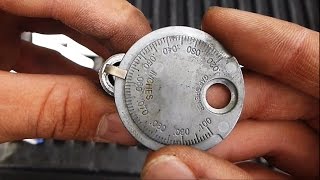
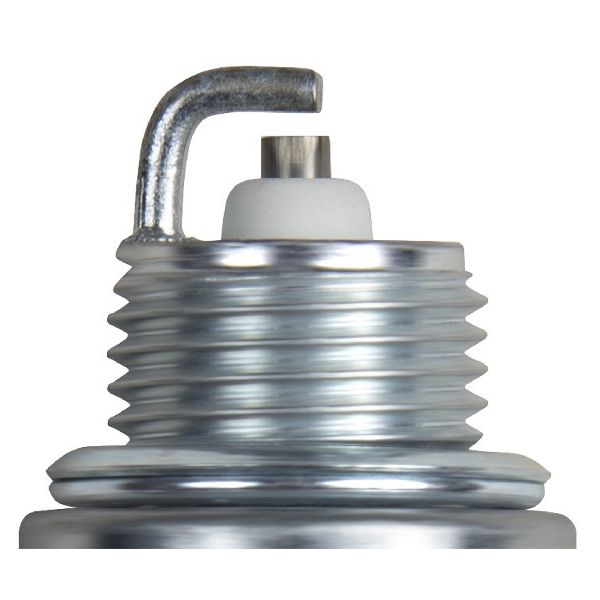
For a stock points-style ignition, the gap is typically around 0.035 inches. If you have upgraded to a high-energy ignition (HEI) system, you can open the gap to around 0.040-0.045 inches to take advantage of the hotter spark. However, always check the specification for your particular plug and ignition system. Never install plugs without checking the gap first.
🎬 See this quick guide on how to gap a spark plug.What does the heat range number (e.g., 44, 45) mean?
The heat range refers to how quickly the spark plug transfers heat away from its firing tip. A "hotter" plug (higher number in some brands, lower in others) retains more heat, which helps burn off carbon deposits. A "cooler" plug dissipates heat faster to prevent overheating in high-performance engines. For most street-driven Rivieras, a standard or slightly hotter-than-stock plug like the AC Delco R45S works well to prevent fouling with today's fuels.
Is there a recall on Buick Riviera spark plugs?
No, there are no specific recalls or technical service bulletins (TSBs) for spark plugs on the 1963-1974 Buick Riviera. Searches of the NHTSA database show recalls for other Buick models from different eras, often related to oil leaks onto exhaust manifolds that could affect spark plug wires, but nothing directly concerning the plugs on these classic Rivieras.
Helpful Videos

Technical Specifications
OEM Part Numbers: AC44S R43S R44S R45S
Engine and year determine the exact spark plug. Common plugs are resistor-type with a 14mm thread and a gasket seat. Heat range is a critical specification, with the R45S being a popular choice for many street-driven cars.
We Have This Part in Stock


The information in this article is provided for general reference and educational purposes only. Vehicle specifications, procedures, and part compatibility can vary by production date, trim level, and region. Always consult your vehicle's factory service manual and verify part numbers before purchasing or performing repairs. Safety-critical components such as airbags, seat belts, and braking systems should be installed by a qualified professional.