

Ford P-350 Alternator Guide: 1963-1971 Replacement and Upgrade
Keep your classic 1963-1971 Ford P-350 running strong by understanding its charging system and choosing the right alternator.
- A weak or dead battery is the most common sign of a failing alternator on a P-350.
- Replacement is a simple, DIY-friendly job that takes about an hour.
- Upgrading to a new aftermarket alternator with an internal regulator is a smart, reliable modification.
- Consider a higher-amperage unit if you have added modern electrical accessories.
Is Your Alternator Failing? Common Symptoms
An alternator rarely fails without warning. For a straightforward truck like the 1963-1971 P-350, the signs are usually obvious. Paying attention to these symptoms can save you from being stuck with a dead battery.
- Dim or Flickering Lights: If your headlights or dash lights dim at idle and brighten when you rev the engine, the alternator is likely struggling to produce consistent power.
- Weak or Dead Battery: The most common sign of a bad alternator is a battery that won't stay charged. If you have to jump-start your truck frequently, the alternator is probably not recharging the battery as it should.
- 'ALT' or 'GEN' Light: Your dashboard may have a warning light for the charging system. If this light comes on and stays on while driving, it's a direct signal of a problem.
- Whining or Grinding Noises: A high-pitched whine or a grinding sound from the front of the engine can indicate that the bearings inside the alternator are failing.
- Burning Smell: A smell of hot wires or burning rubber can be a sign of an overworked alternator or a slipping belt. This is a serious symptom that should be addressed immediately.
Choosing a New Aftermarket Alternator
For a vehicle from the 1963-1971 model years, new OEM Ford parts are no longer available. The market consists entirely of new aftermarket and remanufactured aftermarket parts. This is not a disadvantage, as many aftermarket options offer significant improvements over the original 1960s technology.
Pro Tip: Upgrade to an Internal Regulator
Original alternators on these trucks used an external voltage regulator, another part that can fail. Many new aftermarket alternators, especially from brands like Proform, are "1-wire" units with a built-in internal regulator. This simplifies your wiring, cleans up the engine bay, and eliminates a potential point of failure. This is a highly recommended and common upgrade for classic Ford trucks.
Aftermarket Brand Quality
When shopping for a new alternator, you'll encounter several brands. Quality can vary, so it's important to understand the options.
- Proform: Often popular with classic car and street rod owners, Proform offers new alternators, frequently with higher amperage outputs and chrome finishes. They are known for 1-wire setups that are a good upgrade for older vehicles. Reviews are generally positive for these applications.
- Remy: A long-standing name in electrical parts. Their new and remanufactured units are widely available. However, some users report mixed experiences, with some new units failing prematurely. The aftermarket division is now associated with BBB Industries.
- BBB Industries: A major manufacturer of remanufactured alternators, they supply many auto parts stores. As with many remanufactured parts, quality can be inconsistent, with some users reporting issues while others have no problems.
- MPA (Motorcar Parts of America): This company produces new and remanufactured alternators under brands like Quality-Built. They emphasize that their products are tested to meet or exceed original specifications.
How Much Does a New Alternator Cost for a 1963-1971 Ford P-350?
The cost will depend on whether you do the work yourself and the brand you choose. For this truck, replacing the alternator is a straightforward job that most DIY mechanics can handle in about an hour.
| Part/Service | Estimated Cost |
|---|---|
| New Aftermarket Alternator | $95 - $118 |
| Shop Labor | $100 - $200 |
| Total Professional Replacement | $195 - $318 |
Frequently Asked Questions
Do I need a high-amperage alternator?
Original alternators for this era were low output, perhaps 55 amps. If your P-350 is stock, a standard replacement is fine. However, if you have added modern accessories like a powerful stereo, electric fans, or extra lighting, a higher-output alternator (100+ amps) is a wise investment to handle the extra electrical load.
Is it difficult to replace the alternator myself?
No, this is a very DIY-friendly job on a 1963-1971 P-350. The process involves disconnecting the battery, loosening the drive belt, unbolting the old alternator, swapping the electrical connections, and installing the new one. Access is generally excellent on these older trucks.
What is the difference between an externally and internally regulated alternator?
Your original P-350 came with an external voltage regulator mounted separately in the engine bay. Many modern aftermarket replacements have the regulator built-in (internally regulated). Upgrading to an internal regulator model is a common, reliable modification that simplifies your charging system.
Were there any recalls for the alternator on this truck?
No specific recalls or technical service bulletins (TSBs) for the alternator were found for the 1963-1971 Ford P-350. This is not unusual for a commercial vehicle of this vintage, as records are not as comprehensive as they are for modern cars.
Technical Specifications
Original alternators for this era were externally regulated and typically had an output of 35 to 60 amps. Aftermarket replacements are often internally regulated (1-wire) and are available in standard or high-output (100+ amp) versions with a V-belt pulley.
We Have This Part in Stock
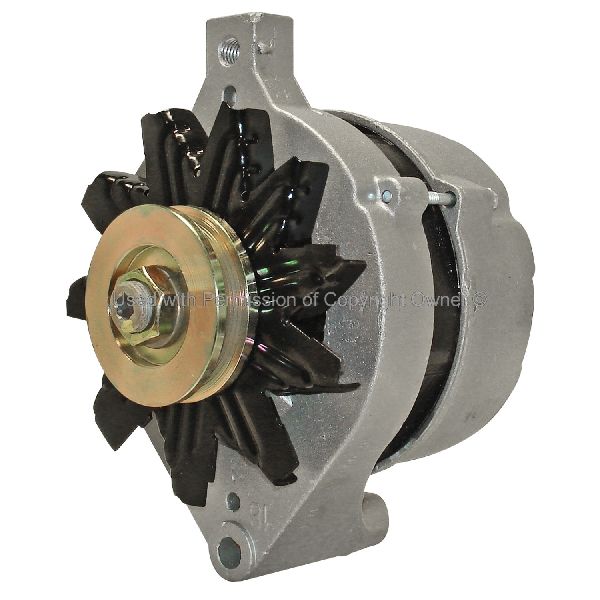
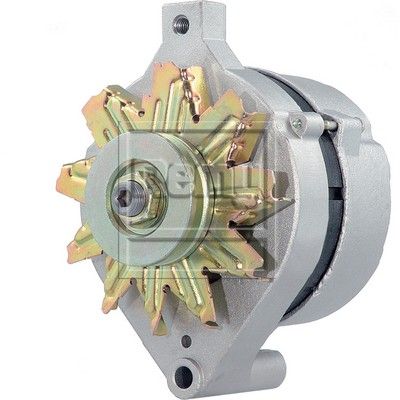
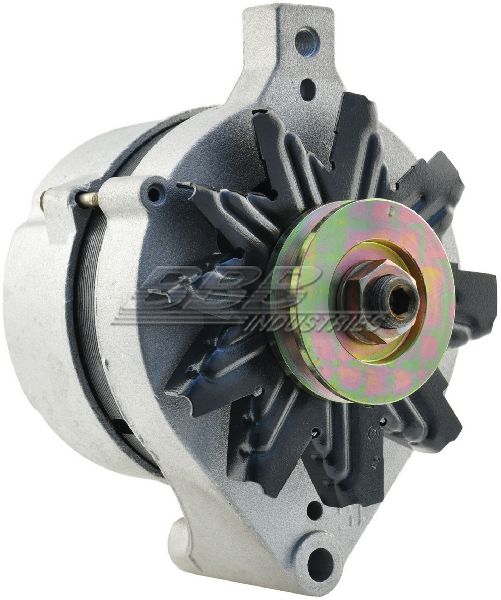

The information in this article is provided for general reference and educational purposes only. Vehicle specifications, procedures, and part compatibility can vary by production date, trim level, and region. Always consult your vehicle's factory service manual and verify part numbers before purchasing or performing repairs. Safety-critical components such as airbags, seat belts, and braking systems should be installed by a qualified professional.