

Choosing the Right Aftermarket Alternator for Your 1963-1969 Buick Riviera
Keep your classic Riviera's electrical system reliable and strong with the correct new alternator.
- First, determine if your Riviera has an external voltage regulator or a more modern internally regulated alternator.
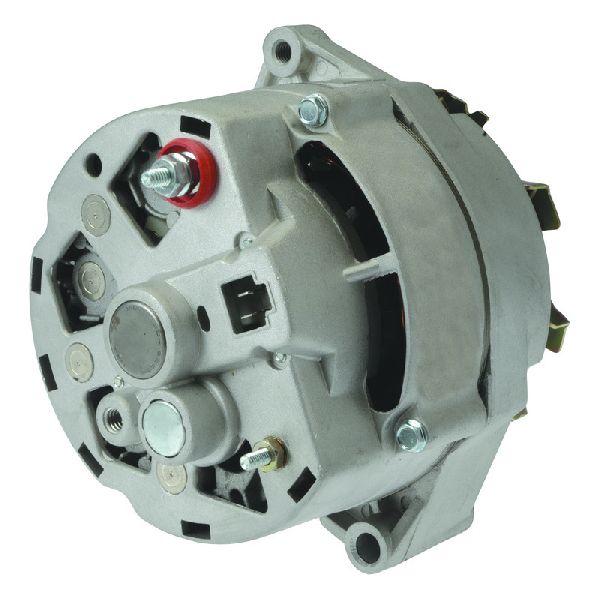
- Upgrading to a 10SI or 12SI internally regulated alternator is a common, reliable, and direct-fit modification.
- If you have modern accessories like a powerful stereo or electric fans, choose a high-output alternator (100+ amps) and upgrade the main charge wire.
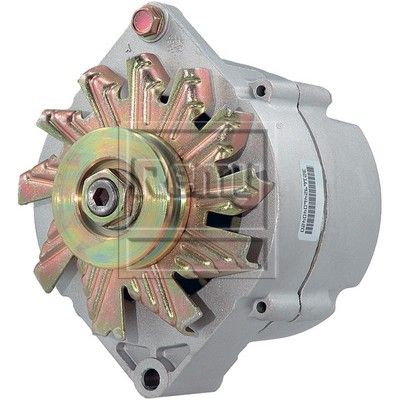
- For a stock vehicle, a standard-output replacement from a brand like Remy or a quality remanufactured unit is sufficient.
Is Your Riviera's Alternator Failing?
An alternator is a critical part of your Riviera's charging system. When it starts to fail, it gives clear warning signs. Ignoring them can leave you stranded with a dead battery. Watch for these symptoms.
🎬 See how a failing electrical system affects a 1965 Riviera.Common Ordering Mistakes
The most significant change during the 1963-1969 model years was the move from externally regulated alternators to internally regulated ones. Early models in this range used a separate, firewall-mounted voltage regulator (the Delco-Remy 10DN was a common original model). Later models integrated the regulator into the alternator itself (like the 10SI and 12SI series). Before ordering, you must identify which system your car has. Upgrading from an external to an internal regulator is a common and popular modification for reliability, but it requires wiring changes.
Warning: Upgrading Requires More Than Just the Alternator
If you choose a high-output alternator (anything over 70 amps), you must also upgrade your car's main power wire, known as the "charge wire." The original wiring was not designed for high amperage and can overheat, creating a fire hazard. Many owners perform a "Big 3" wiring upgrade to improve the main power and ground connections.
Choosing the Right Aftermarket Alternator
Not all aftermarket alternators are the same. For your Riviera, the choice depends on your needs: are you aiming for a factory-original restoration, or have you added modern accessories that need more power?
Brand & Quality Tiers
- Performance (High-Output): Brands like Powermaster and Proform specialize in high-amperage alternators. These are ideal if you have added a powerful stereo, electric fans, or other modern electronics. They often come in 75-amp, 100-amp, or even 150-amp versions and are popular for their ability to be used in one-wire or three-wire setups.
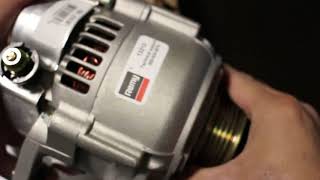
- OEM-Style Replacement: Remy has a long history, descending from the original Delco-Remy company that supplied parts to GM. 🎬 Watch this unboxing and review of Remy replacement alternators. They offer both new and remanufactured units that are designed to be direct, reliable replacements for the original. While generally well-regarded, some users have reported premature bearing failures on newer units.
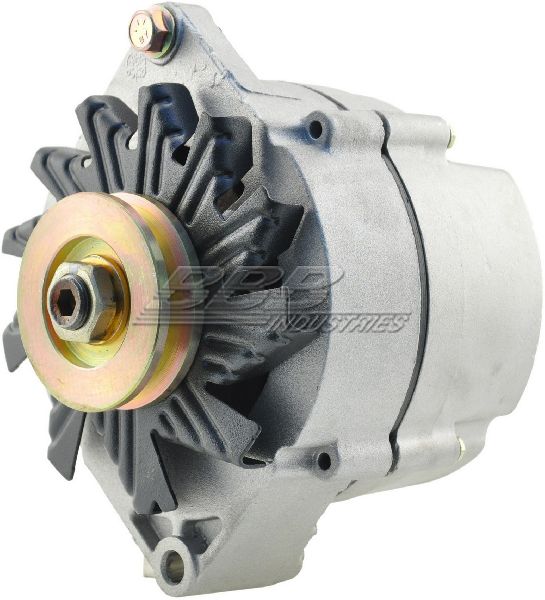
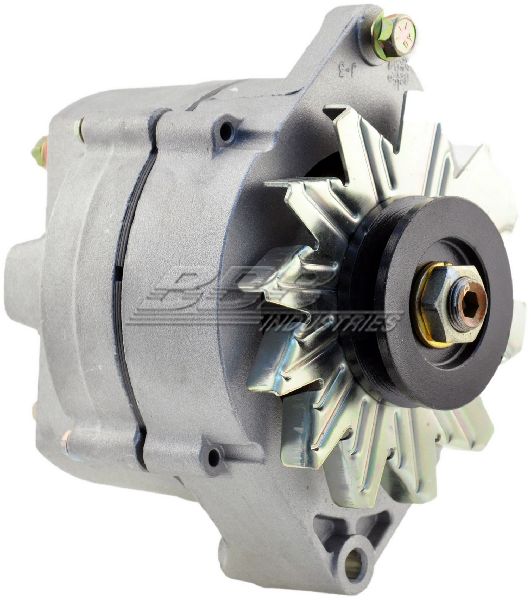
- Value-Oriented: Brands like BBB Industries and WAI Global offer cost-effective solutions. These are typically standard-output, remanufactured alternators that meet basic requirements and are a good choice for budget-conscious repairs on a stock vehicle.
Pro Tip: Consider a 10SI or 12SI Upgrade
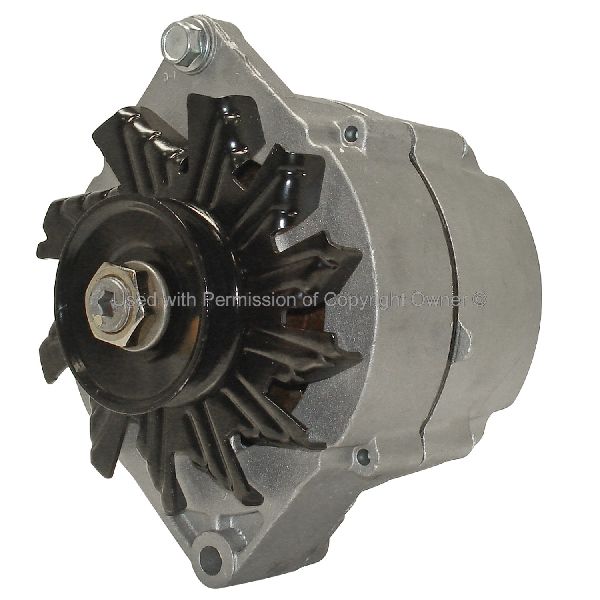
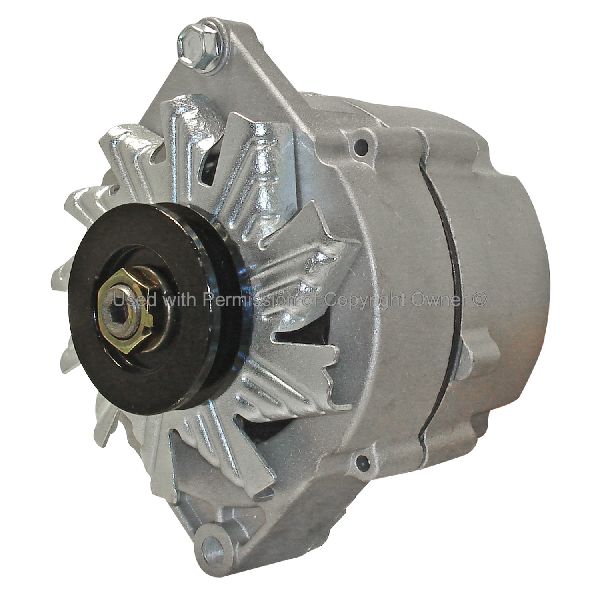
Many Riviera owners choose to upgrade from the original 10DN externally regulated alternator to a more modern and reliable Delco-Remy 10SI or 12SI internally regulated unit. This is a bolt-on swap, as the mounting dimensions are the same. This conversion simplifies the wiring, eliminates the failure-prone external voltage regulator, and provides better charging, especially at idle.
Cost of a New Aftermarket Alternator for a 1963-1969 Buick Riviera
| Part Type | Price Range |
|---|---|
| Standard-Output Aftermarket (New or Reman) | $40 - $150 |
| High-Output Performance Aftermarket (New) | $150 - $585+ |
Frequently Asked Questions
Do I need a high-output alternator?
If your Riviera is mostly stock, a standard output alternator (around 55-63 amps) is sufficient. However, if you have added accessories like a large audio system, electric cooling fans, or brighter headlights, a high-output alternator (100+ amps) is highly recommended to handle the extra electrical load.
What is the difference between a one-wire and a three-wire alternator?
A one-wire alternator is the simplest to install, requiring only a single wire from the alternator to the battery. However, some experts argue they don't sense voltage as accurately. A three-wire setup is closer to the original design, using extra wires to sense system voltage and trigger the dashboard's 'AMP' warning light. Many aftermarket alternators can be wired either way.
Can I replace my external voltage regulator with an internally regulated alternator?
Yes, this is a very common and recommended upgrade. Swapping the original 10DN alternator for a 10SI or 12SI model is a direct physical fit. It requires some simple wiring modifications to bypass the old external regulator, which can be left in place for a stock appearance.
Are there any recalls on the alternator for my Riviera?
No. There are no recalls from the National Highway Traffic Safety Administration (NHTSA) for the alternator on 1963-1969 Buick Riviera models. Any issues are related to age and normal wear.
Helpful Videos
Technical Specifications
OEM Part Numbers: 1100623 1100628 1100665 1100693
Original alternators were typically Delco-Remy 10DN models (externally regulated) with outputs ranging from 37 to 61 amps. Common upgrades are to the 10SI or 12SI series (internally regulated) with outputs from 63 to 150+ amps. All use a V-belt pulley.
We Have This Part in Stock

The information in this article is provided for general reference and educational purposes only. Vehicle specifications, procedures, and part compatibility can vary by production date, trim level, and region. Always consult your vehicle's factory service manual and verify part numbers before purchasing or performing repairs. Safety-critical components such as airbags, seat belts, and braking systems should be installed by a qualified professional.