

Triumph Spitfire Radiator Coolant Hose Guide (1963-1967)
Keep your classic Spitfire's engine cool and avoid a breakdown by understanding when and how to replace your radiator hoses.
- Hose failure is a leading cause of overheating in classic cars; inspect your Spitfire's hoses regularly for cracks, bulges, and leaks.
- Modern aftermarket EPDM rubber hoses from brands like Continental are a reliable and cost-effective choice.
- When replacing hoses, always install new clamps and be prepared to bleed air from the cooling system to prevent airlocks.
- Fitment can be tricky, especially with non-original radiators. Double-check for clearance from engine mounts and other components.
Signs of a Failing Radiator Hose
Age, heat, and pressure are the enemies of your Spitfire's radiator hoses. A failed hose can quickly lead to engine overheating, which can cause serious and expensive damage. Look for these warning signs during your regular inspections:
- Coolant Leaks: Puddles of green or yellow fluid under your car are a clear sign of a leak. Check the hose connections at the radiator and engine, and inspect the hose body for any cracks.
- Visible Damage: Inspect hoses for cracks, splits, or hardening. Hoses that feel brittle or rock-hard are past their service life.
- Bulging or Swelling: Soft spots or areas that look swollen or bloated mean the hose's internal structure has failed. A swollen hose is at high risk of bursting. In some cases, a swollen top hose could also indicate excess pressure from a more serious issue like a blown head gasket.
- Spongy Feel: Squeeze the hoses when the engine is cool. If they feel mushy, soft, or sticky, the rubber is breaking down and needs to be replaced.
Known Vehicle-Specific Issues
Triumph Spitfire owners report a few common issues. When replacing hoses, especially when fitting an aftermarket aluminum radiator, be prepared for potential fitment challenges. The angle of the connections on some aftermarket radiators may not perfectly match the original, requiring careful hose positioning to avoid contact with engine components. Additionally, the cooling system can be prone to airlocks after being drained. Make sure to properly bleed the system to avoid overheating caused by trapped air.
Choosing the Right Aftermarket Hose
For a vehicle from this era, finding New Old Stock (NOS) OEM hoses is rare and often unnecessary. Modern aftermarket hoses offer excellent quality, often exceeding the specifications of the originals. The key is choosing a hose made from the correct material with the right shape.
- Standard EPDM Rubber: Most aftermarket hoses are made from EPDM (ethylene propylene diene monomer) rubber, which is highly resistant to heat, ozone, and coolant chemicals. Brands like Continental produce reliable EPDM hoses that are a suitable replacement for the original factory parts.
- Silicone Hoses: Some owners opt for silicone hoses, which can offer longer life and higher temperature resistance. They often come in bright colors like red or blue. While they are a durable option, ensure they are specifically designed for your Spitfire to guarantee proper fit.
Since only one brand, Continental, is available, the choice is straightforward. Continental is a well-established manufacturer of automotive rubber products, and their standard EPDM hoses are a reliable choice for a stock 1963-1967 Triumph Spitfire.
Pro Tip: Replace the Clamps
Always replace your hose clamps when you replace your hoses. Old clamps can lose their tension, leading to leaks. Worm-gear clamps are common, but many owners prefer rolled-edge or constant-tension clamps for a more secure and uniform seal that is less likely to damage the hose.
Recalls and Technical Service Bulletins
There are no active recalls or Technical Service Bulletins (TSBs) issued by the NHTSA for radiator coolant hoses on the 1963-1967 Triumph Spitfire. Searches for recalls often show results for modern Triumph motorcycles, which are unrelated to the classic Spitfire car.
Frequently Asked Questions
How often should I replace my Spitfire's radiator hoses?
As a general rule, radiator hoses should be inspected annually and replaced every 4-5 years, or immediately if you notice any signs of wear like cracking, bulging, or leaking. Given the age of the vehicle, proactive replacement is a smart investment.
Should I use silicone or standard rubber hoses?
For most owners, a quality EPDM rubber hose from a brand like Continental is perfectly adequate and cost-effective. Silicone hoses offer enhanced durability and temperature resistance, which can be beneficial for modified or hard-driven cars, but they come at a higher cost.
Why is my new hose hard to install or touching other parts?
This is a common issue, especially if you have an aftermarket radiator. Hoses may need to be carefully trimmed to length or rotated to find the perfect fit. Ensure the hose is not kinked or resting against sharp edges or hot components like the engine mount.
My engine temperature is high after replacing the hoses. What's wrong?
The most likely cause is an airlock in the cooling system. The Spitfire system needs to be bled properly to remove all trapped air. Park the car on an incline, with the nose pointing up, and run the engine with the radiator cap off to help work the air out. Also, ensure your thermostat is functioning correctly.
Technical Specifications
OEM Part Numbers: GRH533 (Upper Hose) GRH532 (Lower Hose)
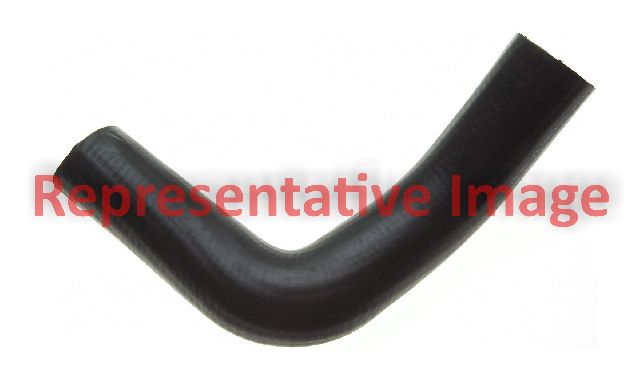
This guide covers the upper and lower radiator hoses. The specific product available is a standard EPDM rubber hose. Always confirm the specific hose (upper/lower) required for your repair.
We Have This Part in Stock

The information in this article is provided for general reference and educational purposes only. Vehicle specifications, procedures, and part compatibility can vary by production date, trim level, and region. Always consult your vehicle's factory service manual and verify part numbers before purchasing or performing repairs. Safety-critical components such as airbags, seat belts, and braking systems should be installed by a qualified professional.