

Jeep J-320 Universal Joint Replacement Guide (1963-1965)
Keep your classic Gladiator running smoothly by addressing worn U-joints before they leave you stranded.
- A clunking noise when shifting, vibrations at speed, or a persistent squeak are the main signs of a failing U-joint on your J-320.
- Do not continue driving with a severely worn U-joint, as total failure can cause the driveshaft to detach and lead to costly damage.
- Since OEM parts are unavailable, choose a quality aftermarket brand like SKF, Moog, or GMB for the best reliability.
- Replacing U-joints is a manageable DIY task with a press or large vise, but professional installation is recommended if you lack the tools or experience.
Is Your J-320 Making Strange Noises? It Could Be the U-Joints
A failing universal joint is a common issue on any classic 4x4 truck. On a vehicle as old as a 1963-1965 J-320, the original U-joints are well past their service life. Ignoring the symptoms can lead to a driveshaft separating from the vehicle, causing significant damage and leaving you stranded. Listen and feel for the common warning signs.
Symptoms of a Bad U-Joint
- Clunking Noise: A distinct "clunk" or "ring" when you shift from drive to reverse is a classic sign of a worn U-joint with excessive play.
- Vibrations: A vibration that you can feel through the floor or seat that gets worse with speed is a common symptom. This happens because the worn joint causes the driveshaft to spin out of balance.
- Squeaking or Chirping: A repetitive, bird-like chirp that increases with speed often points to a U-joint that has lost its grease and is running dry.
Can I Drive with a Bad U-Joint?
It is not recommended. While you can drive for a short period with early symptoms like minor squeaking, a U-joint with significant play (clunking or vibration) is at risk of total failure. A failed U-joint can cause the driveshaft to fall, potentially damaging the transmission, transfer case, exhaust, and fuel lines, and will leave the vehicle undrivable.
Choosing the Right Aftermarket U-Joint for Your J-320
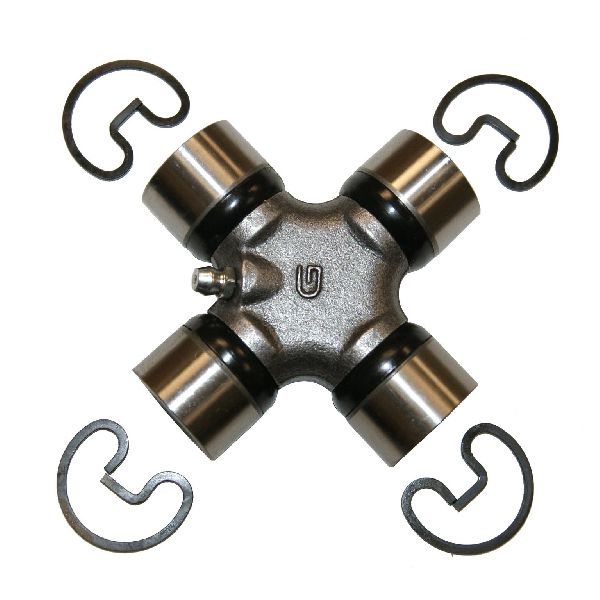
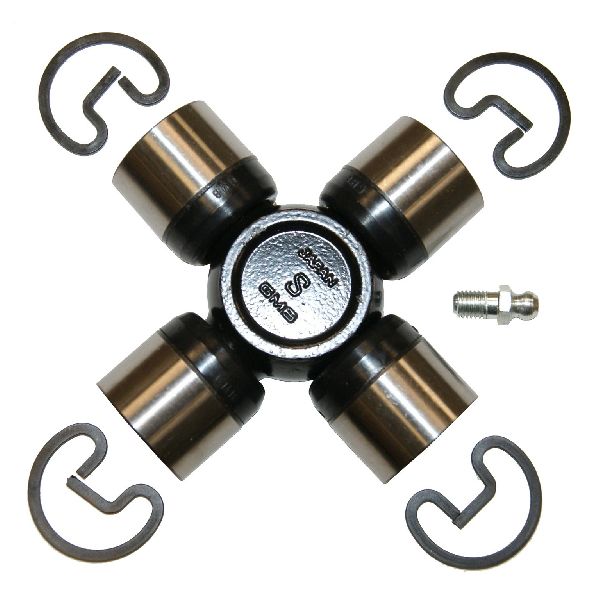
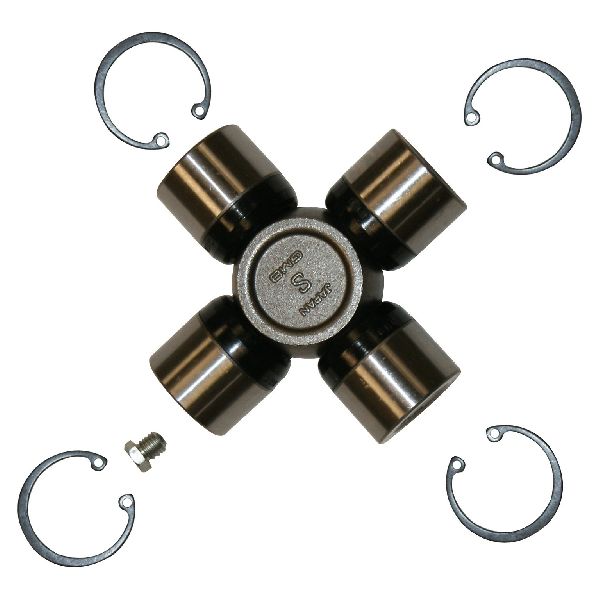
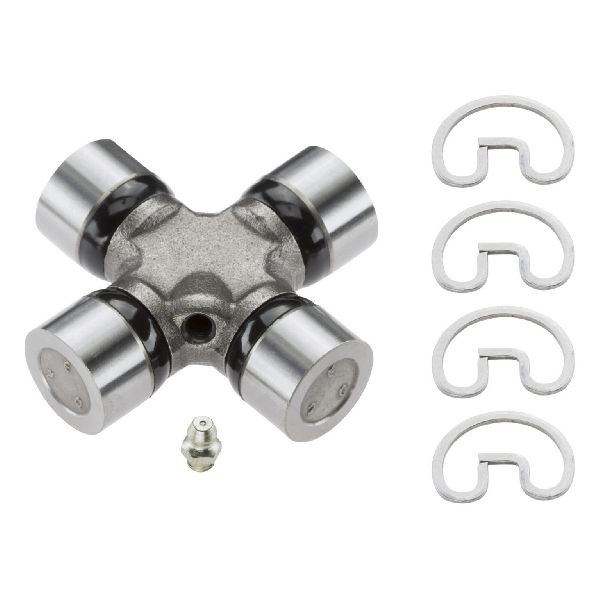
Original Equipment (OEM) parts from Kaiser-Jeep for a 1960s truck are no longer available. New aftermarket parts are the only realistic option. The good news is that many aftermarket brands offer quality replacements. The key is choosing between serviceable (greaseable) and non-serviceable (sealed) joints and understanding the brand quality tiers.
Pro Tip: Non-serviceable U-joints are often considered stronger because the cross is solid, not drilled out for a grease channel. However, greaseable joints can last longer if you are diligent about regular maintenance, especially after off-road use or water crossings.
Brand Quality Tiers
- Premium (SKF, Moog): SKF is widely regarded as a top-tier manufacturer for bearings and driveline components. Moog has historically been a go-to brand for chassis parts, though some forum users have noted quality has become inconsistent recently. Their premium "Super Strength" line is generally still well-regarded. These brands are an excellent choice for reliability.
- Standard (GMB): GMB is a well-known aftermarket manufacturer that offers a good balance of quality and price. They are a solid choice for a stock J-320 that sees regular use.
- Jeep Specialist (Omix-Ada): Omix-Ada specializes in reproduction parts for Jeeps of all eras. While some enthusiasts prefer other brands for critical mechanical parts, Omix is often the only source for certain direct-fit classic Jeep components. Their quality is generally considered acceptable for a daily driver or restoration project.
Estimated Costs for U-Joint Replacement
| Part/Service | Estimated Cost |
|---|---|
| New Aftermarket U-Joint | $18 - $40 per joint |
| Shop Labor (per joint) | $150 - $350 |
| Total Professional Replacement (per joint) | $170 - $390 |
Costs are estimates and will vary based on your location and the specific repair shop. Replacing multiple U-joints at once may reduce the overall labor cost.
Frequently Asked Questions
How many U-joints does my J-320 have?
A typical 4x4 J-320 will have at least four U-joints: two on the rear driveshaft and two on the front driveshaft. Some configurations, like those with a two-piece rear driveshaft, may have more.
Should I replace all the U-joints at once?
If one U-joint has failed due to age and mileage, the others are likely in similar condition. It is good practice to inspect all of them and replace any that show signs of wear. Replacing them all at the same time can save you on future labor costs.
Are there any recalls for my 1963-1965 Jeep's U-joints?
No. There are no active recalls or Technical Service Bulletins (TSBs) for universal joints on the 1963-1965 Jeep J-320. Recalls and TSBs were not tracked by modern systems like the NHTSA for vehicles of this era.
Is replacing a U-joint a DIY job?
Yes, if you have the right tools and mechanical experience. The job requires removing the driveshaft and using a large bench vise or a hydraulic press to remove the old joint and install the new one. If you are not comfortable with this process, it is best to have a professional mechanic do the work.
Technical Specifications
The 1963-1965 J-320 was part of the J-300 series, which featured a 126-inch wheelbase. It used the 'Tornado' 230ci OHC inline-six engine. Drivetrains consisted of Dana axles, which use common U-joint sizes, but you must measure your specific joint or match it by application to ensure correct fitment.
We Have This Part in Stock
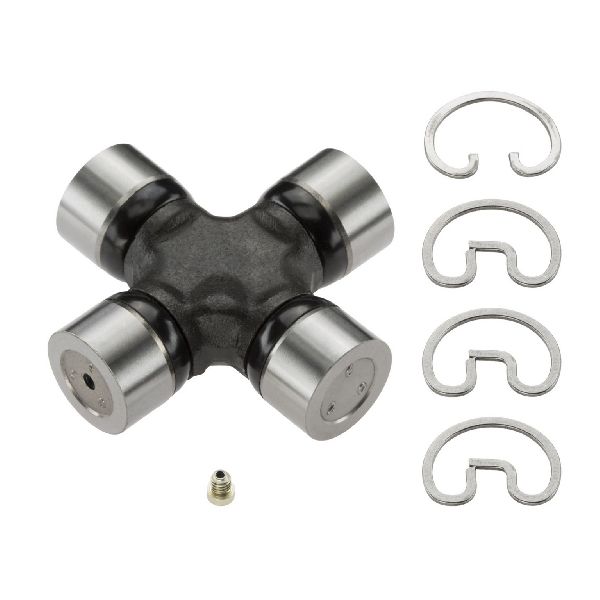
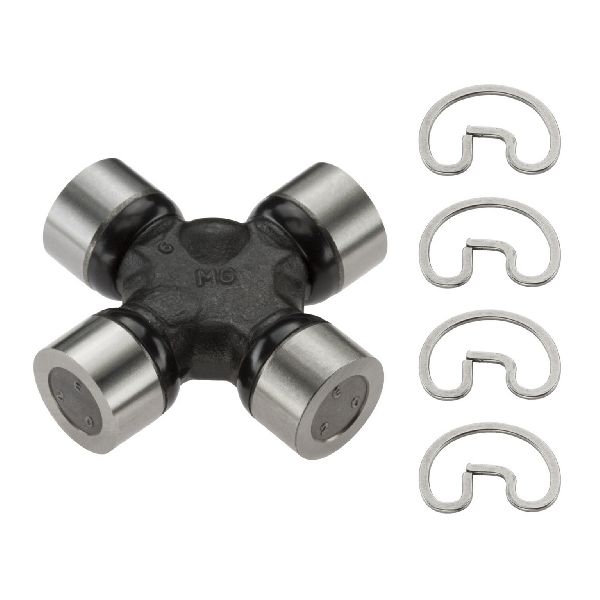

The information in this article is provided for general reference and educational purposes only. Vehicle specifications, procedures, and part compatibility can vary by production date, trim level, and region. Always consult your vehicle's factory service manual and verify part numbers before purchasing or performing repairs. Safety-critical components such as airbags, seat belts, and braking systems should be installed by a qualified professional.