

Jeep J-320 Starter Motor Replacement Guide (1963-1965)
Everything you need to know about choosing the right new starter for your vintage J-320 truck.
- Starter failure symptoms include a loud click, grinding noises, or the engine failing to crank at all.
- Before replacing the starter, always check that your battery is charged and that the cable connections are clean and tight.
- No official recalls or TSBs exist for the starter on this vintage vehicle.
- Replacement is a simple job for a DIY mechanic and requires only basic hand tools.
Is Your J-320 Starter Failing?
The starter on a classic truck like the Jeep J-320 is a relatively simple and robust part, but its high-load job means it will eventually wear out. Because these trucks lack the complex computer systems of modern vehicles, diagnosing a bad starter is usually straightforward. The most common cause of failure is either electrical (worn internal contacts in the solenoid) or mechanical (a worn-out motor or a failed Bendix gear).
Don't Get Stranded
A failing starter rarely fixes itself. Symptoms usually get worse over time, often leaving you stranded without warning. If you notice any of the signs of failure, it's best to address them before the truck refuses to start at all.
Choosing a New Aftermarket Starter
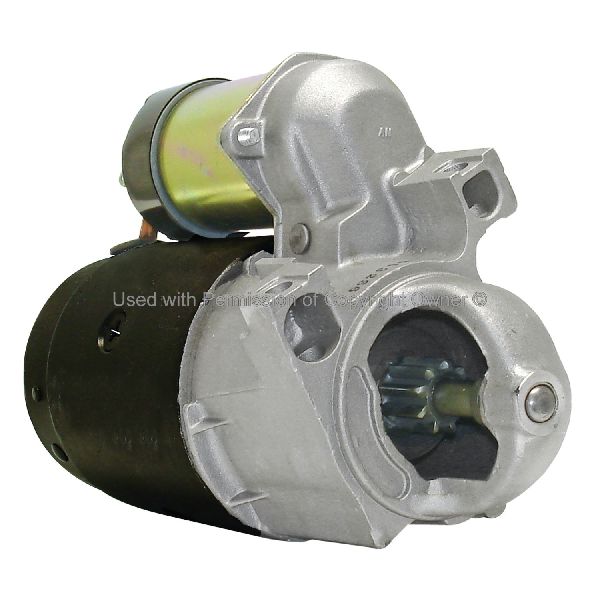
For a vintage 1963-1965 vehicle, finding a "New OEM" starter is nearly impossible. Your main choices are a used original part, a remanufactured part, or a new aftermarket part. New aftermarket starters offer the advantage of brand-new components and often incorporate modern, more efficient designs compared to the 60-year-old originals.
Aftermarket Brand Tiers
When shopping for a new aftermarket starter, you'll encounter different brands. Here’s an honest look at the brands available for your J-320:
- Powermaster: Often considered a performance or upgrade option. Users report that Powermaster starters are typically lighter and smaller than original units and can spin an engine faster. They are a popular choice in the classic and performance vehicle community. Some reviews note that while they are high quality, they can sometimes have clearance issues with non-stock parts like aftermarket headers, and may still be susceptible to heat soak in high-temperature environments.
- MPA (Motorcar Parts of America): MPA is a large manufacturer that produces new and remanufactured parts for many private-label brands you see in auto parts stores. The company emphasizes its quality control, proprietary testing equipment, and adherence to automotive manufacturing standards like IATF 16949. While direct user reviews are less common than for performance-focused brands, MPA is a major supplier in the aftermarket industry known for producing parts that meet or exceed original equipment specifications.
Pro Tip: Check Your Cables
Before replacing your starter, always check the condition of your battery, battery terminals, and the main cables running to the starter and to the chassis ground. A corroded or loose connection can mimic the symptoms of a bad starter by preventing enough power from reaching it.
Known Issues for the Jeep J-320 Starter
Searches for official recalls or Technical Service Bulletins (TSBs) from the National Highway Traffic Safety Administration (NHTSA) for the 1963-1965 Jeep J-320 starter motor did not return any results. This is common for vehicles of this era, as manufacturer support and documentation were not as extensive or well-archived as they are today.
Cost of Replacing a 1963-1965 Jeep J-320 Starter
Below is an estimated cost breakdown. Labor costs can vary significantly by region and shop.
| Part/Service | Estimated Cost |
|---|---|
| New Aftermarket Starter | $103.51 |
| Shop Labor | $100 - $200 |
| Total Professional Replacement | $203.51 - $303.51 |
Frequently Asked Questions
Is it hard to replace the starter on a J-320?
No, on a vintage truck like this, it's generally a straightforward job for someone with basic mechanical skills. Access is usually good, and the process involves disconnecting the battery, removing a few electrical wires, and unbolting two or three mounting bolts.
What tools do I need to replace the starter?
You will typically need a basic socket and wrench set, a wire brush for cleaning connections, and potentially a jack and jack stands to safely access the starter from underneath the vehicle. Always disconnect the negative battery terminal first to prevent electrical shorts.
Can I use a starter from a different Jeep?
It is not recommended. While starters from other Jeeps or vehicles with the same engine (like the Tornado I6) might look similar, there can be small differences in the mounting bracket, gear size, or electrical connections. Always use a part that is confirmed to fit the 1963-1965 Jeep J-320 specifically.
My new starter just clicks. Is it defective?
Not necessarily. A single, loud click usually means the solenoid is working but the motor isn't turning. Before assuming the new part is bad, confirm your battery is fully charged and all cable connections at the battery, engine block, and starter are clean and tight. A weak battery or poor connection is the most common cause of this issue.
Technical Specifications
Varies by manufacturer. Key specs to match are mounting bolt pattern, number of teeth on the starter drive gear, and compatibility with the vehicle's voltage system (12V).
We Have This Part in Stock

The information in this article is provided for general reference and educational purposes only. Vehicle specifications, procedures, and part compatibility can vary by production date, trim level, and region. Always consult your vehicle's factory service manual and verify part numbers before purchasing or performing repairs. Safety-critical components such as airbags, seat belts, and braking systems should be installed by a qualified professional.