

Jeep J-320 Accessory Drive Belt Replacement Guide (1963-1965)
Keep your classic J-320's engine accessories running smoothly with the right V-belt.
- Your J-320 uses a V-belt system, which is simpler but requires more frequent inspection than modern serpentine belts.
- A loud squeal is a direct warning of a slipping belt that needs attention.
- Modern aftermarket belts from brands like Gates or Continental are high-quality and exceed the performance of the original 1960s parts.
- This is an easy and inexpensive DIY replacement that can prevent a much more serious breakdown.
Is Your Drive Belt Failing?
A failing accessory drive belt on your J-320 gives clear warning signs. The most common is a loud squealing noise, especially when you start the engine cold or rev it up. As the rubber ages, it hardens and loses its grip on the pulleys, causing it to slip and create noise. A quick visual inspection can also tell you a lot.
- Cracks: Look for small cracks on the inner, ribbed part of the belt. If you see many cracks close together, the belt is dry-rotted and needs to be replaced.
- Glazing: A belt that looks shiny or glossy on the sides is "glazed." This means it's hardened and can no longer grip the pulleys effectively, leading to slipping.
- Fraying: If the edges of the belt are frayed or pieces of rubber are missing, it's a sign of wear or a potential pulley misalignment problem.
Don't Ignore a Bad Belt
A belt that slips will cause your alternator to undercharge the battery and your water pump to circulate coolant poorly. If the belt breaks completely, your engine will quickly overheat, which can lead to catastrophic engine damage. You will also lose your charging system.
Choosing the Right Aftermarket Belt
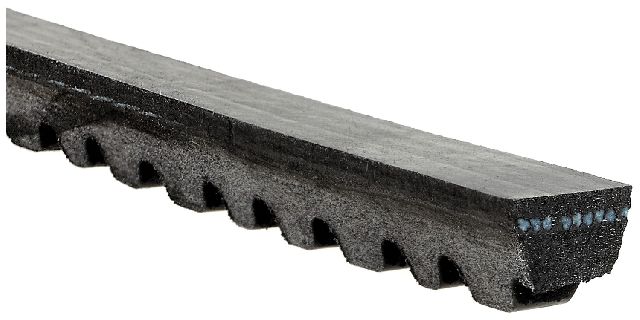
For a vintage truck like the 1963-1965 J-320, new original equipment (OEM) belts are no longer manufactured. All available new belts are from aftermarket companies. This is good news, as modern belt technology is far superior to what was available in the 1960s.
Brands like Gates and Continental are top-tier choices in the aftermarket. Both have a long history of making high-quality belts for everything from classic cars to modern trucks. General consensus among mechanics and enthusiasts is that both brands produce reliable V-belts, and you can't go wrong with either. They use modern rubber compounds (like EPDM) that resist heat, oil, and cracking much better than original belts.
Pro Tip: Check Your Pulleys
When you replace your belt, take a moment to inspect the pulleys it rides on. Make sure they are clean and spin freely. A wobbly or noisy pulley bearing can destroy a new belt quickly.
Known Issues, Recalls, or TSBs
There are no active recalls or Technical Service Bulletins (TSBs) from the NHTSA related to the accessory drive belts for the 1963-1965 Jeep J-320. Any issues you encounter will be due to normal wear and tear from age.
| Part Type | Price Range |
|---|---|
| New Aftermarket Belt | $5.18 - $42.90 |
| Shop Labor for Installation | $50 - $100 |
Frequently Asked Questions
How often should I replace my V-belt?
For a classic vehicle, it's best to inspect the belt at every oil change or at least twice a year. There is no set mileage interval like on modern cars. Replace it at the first sign of cracking, glazing, or fraying, regardless of age.
What's the difference between a V-belt and a serpentine belt?
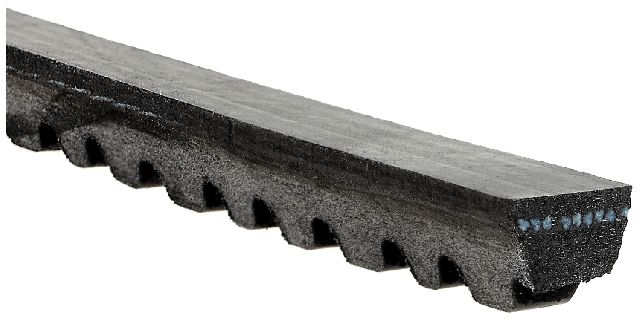
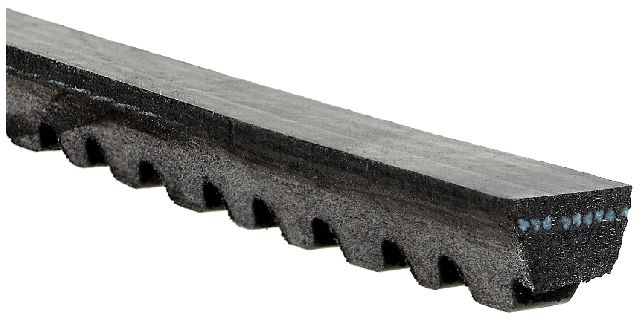
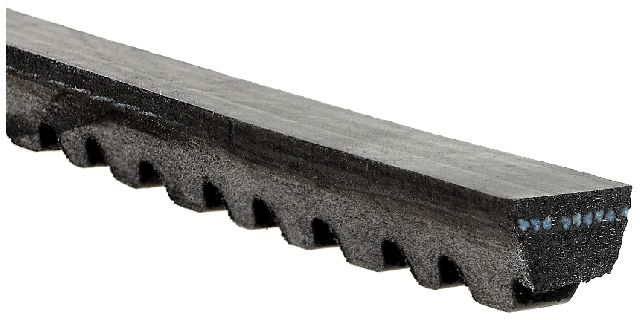
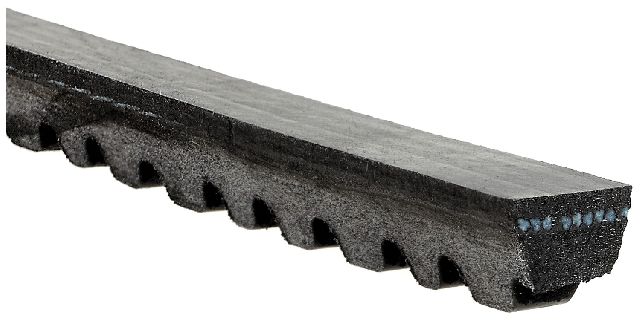
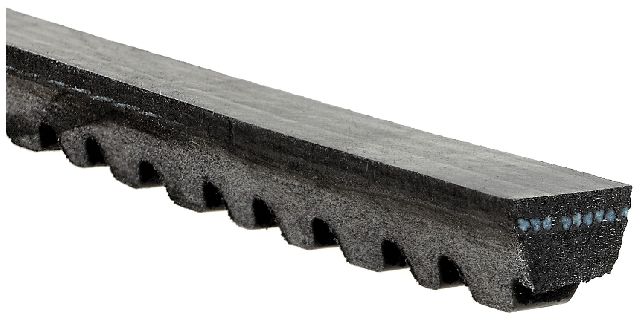
Your J-320 uses V-belts, which are narrower and have a V-shape. You may have more than one to run different accessories. Modern vehicles use a single, wide, flat, multi-ribbed belt called a serpentine belt to run everything.
Can I replace the accessory drive belt myself?
Yes, this is a very straightforward job for a DIY mechanic on this vehicle. It typically involves loosening the bolts on the alternator to allow it to pivot, which releases tension on the belt. The old belt comes off, the new one goes on, and then you apply tension by pulling the alternator tight before re-tightening the bolts. It requires only basic hand tools.
What does proper belt tension feel like?
A common rule of thumb for V-belts is that you should be able to twist the belt about a quarter turn (90 degrees) at its longest span with your fingers. It should not be able to be twisted further, and it should not feel loose or floppy.
Technical Specifications
System Type: V-Belt
We Have This Part in Stock

The information in this article is provided for general reference and educational purposes only. Vehicle specifications, procedures, and part compatibility can vary by production date, trim level, and region. Always consult your vehicle's factory service manual and verify part numbers before purchasing or performing repairs. Safety-critical components such as airbags, seat belts, and braking systems should be installed by a qualified professional.