

Universal Joint Guide for the 1963-1965 Jeep J-310
Don't let a worn-out U-joint sideline your classic Jeep; learn how to spot the signs of failure and choose the right replacement part.
- Listen for clunking, squeaking, or vibrations as early warnings of U-joint failure.
- For durability, consider premium non-greasable U-joints from brands like SKF.
- If one U-joint is bad, it's wise to replace the other joint on the same driveshaft.
- Confirm the correct size (cap diameter and width) before ordering a replacement.
Symptoms of a Failing Universal Joint
A failing U-joint gives several warning signs. Paying attention to these can prevent a more serious breakdown. A complete failure can cause the driveshaft to detach, leading to a loss of power and potential damage to other parts of your truck.
- Clunking or Popping Noises: Often heard when shifting from drive to reverse. This is caused by excessive play in a worn U-joint.
- Vibrations: A vibration that increases with speed can point to a U-joint that is out of balance or seizing. You may feel it in the floor or the seat.
- Squeaking Sounds: A rhythmic squeak that matches the speed of the driveshaft rotation is a classic sign of a dry, failing U-joint. This means the needle bearings inside have lost their lubrication.
- Reddish Dust: If you see a fine, reddish-brown dust around the U-joint's bearing caps, it's a sign that the needle bearings are rusting and grinding themselves into powder.
Pro Tip: Check for Play
To check for a bad U-joint, safely chock the wheels and put the transmission in neutral with the parking brake off. Get under the truck and try to twist the driveshaft back and forth by hand. Any significant play or clunking noise indicates a worn U-joint that needs replacement.
Choosing the Right Aftermarket U-Joint
For a classic vehicle like the J-310, OEM parts are virtually nonexistent. The aftermarket offers a range of options that meet or exceed original quality. The main choice you'll face is between greasable and non-greasable (sealed) joints.
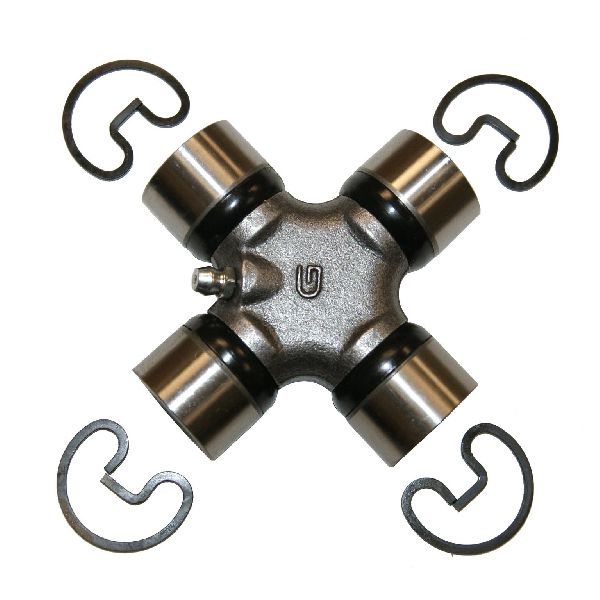
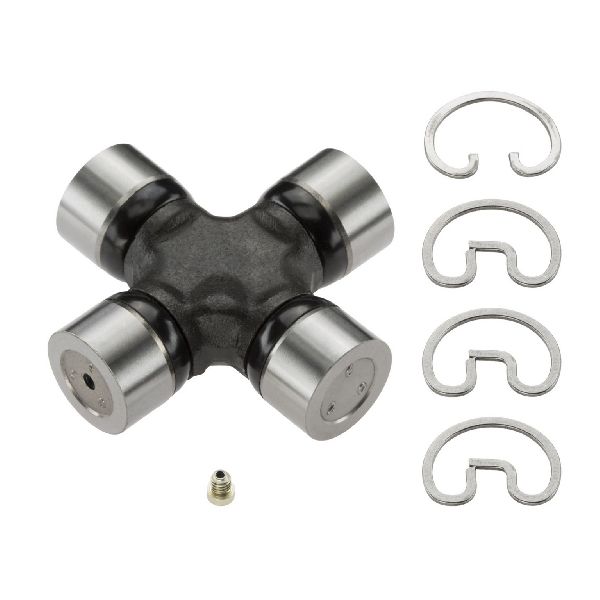
- Non-Greasable (Sealed): These are often preferred for their strength and longevity. They are filled with high-quality grease at the factory and sealed for a maintenance-free life. Brands like Spicer are well-regarded for their durable sealed joints.
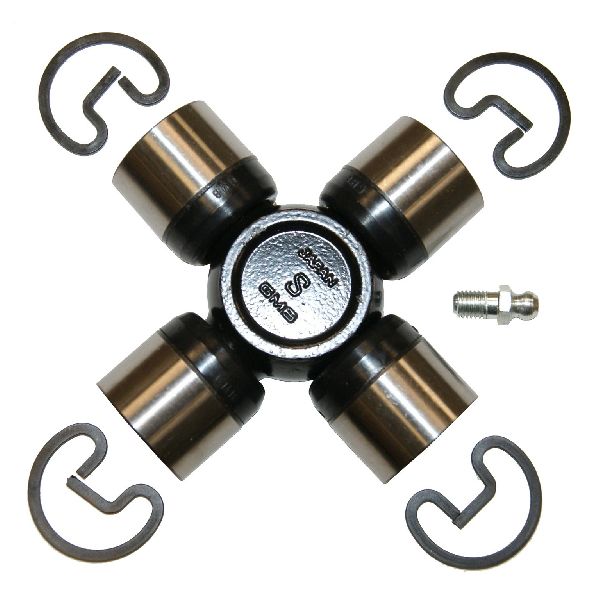
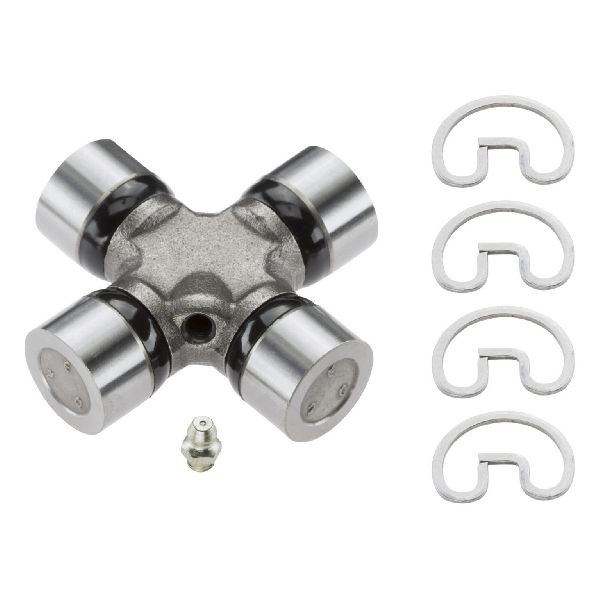
- Greasable: These joints have a zerk fitting that allows you to add new grease periodically. This can help flush out contaminants, but they require regular maintenance. Some mechanics believe the design of a greasable joint is inherently weaker than a sealed one. Moog is a popular brand for greasable joints, with some designs featuring the grease fitting in the cap for easier access.
Brand Tiers for Your J-310
When shopping, you'll encounter several brands. Here’s a general quality breakdown based on user reviews and general reputation in the Jeep community:
- Premium (Best): Brands like SKF and Moog are often considered top-tier aftermarket choices. They are known for strong materials and engineering, making them a good choice for a vehicle you rely on. However, some users report inconsistent quality with modern Moog parts.
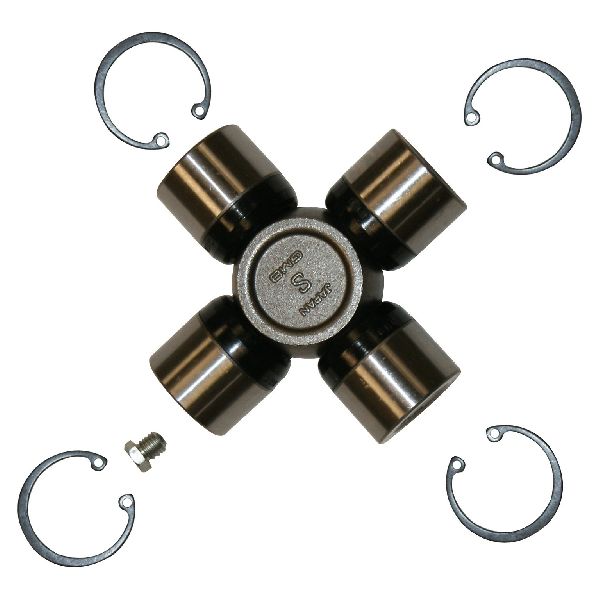
- Standard (Better): GMB is a well-known manufacturer that produces reliable, standard-quality replacement parts. They are a solid, budget-friendly option for regular use.
- Jeep-Specific (Good): Omix-Ada specializes in Jeep parts and offers direct-fit replacements. While they are a popular choice for restoration, some mechanics only use them for non-critical parts, citing variable quality on mechanical components.
| Brand Tier | Price Range (per joint) |
|---|---|
| Standard (GMB, Omix-Ada) | $18.53 - $25.00 |
| Premium (Moog, SKF) | $25.00 - $39.08 |
Frequently Asked Questions
How many U-joints does my Jeep J-310 have?
A typical 4x4 J-310 will have at least four U-joints: one at each end of the rear driveshaft and one at each end of the front driveshaft. Some front axles also use U-joints in the axle shafts for steering; these are different from the driveshaft joints.
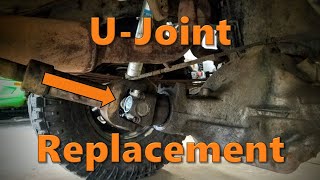
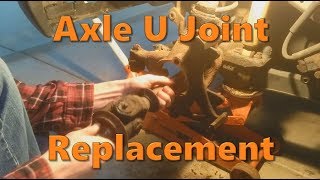
🎬 See how to replace axle U-joints on a Jeep.Should I replace all the U-joints at once?
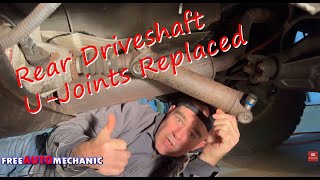
If you find one bad U-joint, it's a good idea to inspect the others carefully. Since they are all the same age, another failure may not be far behind. If you are already removing a driveshaft to replace one joint, replacing the one at the other end 🎬 Get easy tips for replacing rear U-joints on your Jeep. is cost-effective from a labor standpoint.
Can I replace a U-joint myself?
Yes, this is a DIY-feasible job for a mechanic with some experience. The main challenge is removing the old joint, which is pressed into the driveshaft yoke and can be seized by rust. You will need a heavy-duty vise, a ball-joint press, or a combination of large sockets and a hammer to press the old joint out and the new one in. Always wear safety glasses.
🎬 Watch this step-by-step guide on how to replace a U-joint.What is the most common mistake when ordering?
The most common mistake is ordering the wrong size. U-joints are identified by series (like the 1310 series common on older Jeeps) which corresponds to the diameter of the bearing caps and the overall width. Always measure your old U-joint or check part numbers carefully before ordering.
Helpful Videos
Technical Specifications
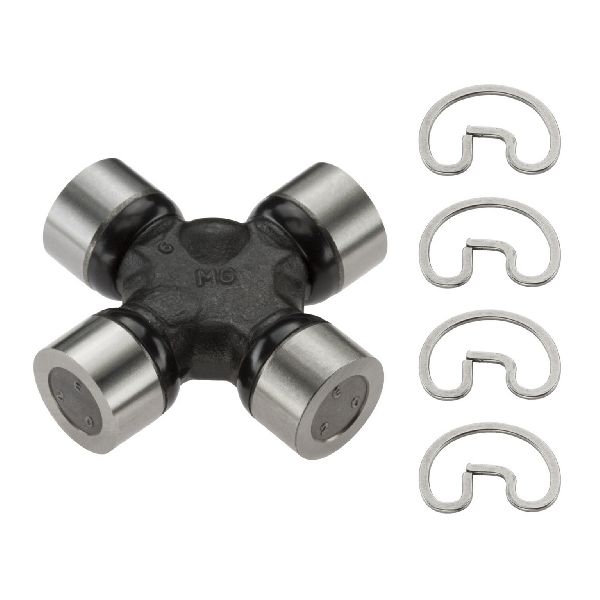
The most common U-joint for this application is the 1310 series. Key specifications to verify are the bearing cap diameter (typically 1.062 or 1.063 inches) and the overall width of the joint.
We Have This Part in Stock

The information in this article is provided for general reference and educational purposes only. Vehicle specifications, procedures, and part compatibility can vary by production date, trim level, and region. Always consult your vehicle's factory service manual and verify part numbers before purchasing or performing repairs. Safety-critical components such as airbags, seat belts, and braking systems should be installed by a qualified professional.