

Choosing the Right Ignition Coil for Your 1963-1965 Jeep J-300
Keep your classic J-300 running strong with a reliable new ignition coil.
- A failing ignition coil will cause noticeable running issues like misfires, hard starting, and loss of power.
- For this vintage truck, aftermarket coils are the standard. Choose a reputable brand like Standard Ignition or NGK for best results.
- This is a simple, inexpensive DIY repair that most owners can complete in under 30 minutes with basic tools.
- There are no known recalls or TSBs for the ignition coil on a 1963-1965 Jeep J-300.
Is Your J-300's Ignition Coil Failing?
For a straightforward truck like the 1963-1965 J-300, ignition coil problems are usually easy to spot. The ignition system is simple, without modern computers, so you can often trace issues back to basic components. If your coil is on its way out, you'll likely notice some clear signs.
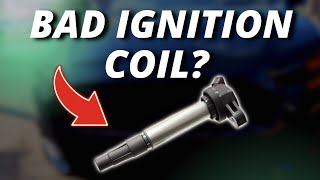
🎬 Watch this guide on common ignition coil problems and symptoms.Common Symptoms of a Bad Ignition Coil:
- Engine is Hard to Start: The engine turns over but struggles to fire up and run. This happens when the coil can't produce enough voltage for a strong initial spark.
- Engine Misfires or Runs Rough: Your truck may shake, shudder, or sputter, especially when idling or trying to accelerate. This is caused by a weak or inconsistent spark failing to ignite the fuel in a cylinder.
- Loss of Power: The truck feels sluggish and doesn't accelerate as it should. A failing coil can't provide the consistent spark needed for full engine power.
- Worsening Fuel Economy: If you're stopping for gas more often, it could be a sign of an inefficient spark. The engine may use more fuel to compensate for the poor combustion.
- Engine Stalling: The engine may suddenly cut out, especially when idling at a stop. This can happen when the coil fails completely, even for a moment.
Choosing a New Aftermarket Ignition Coil
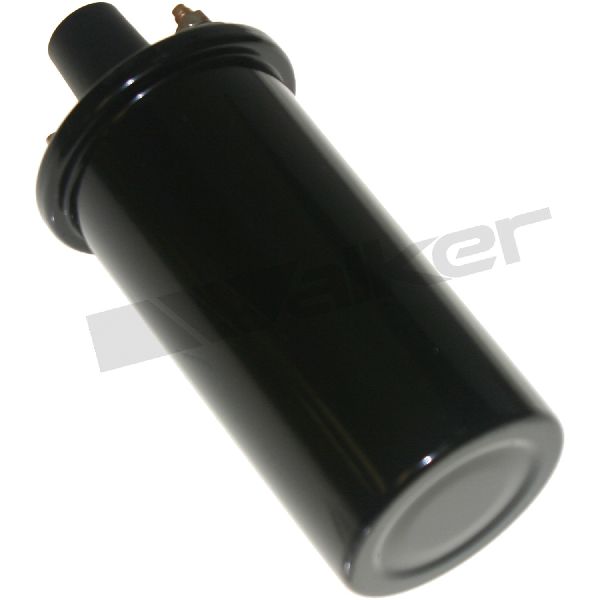
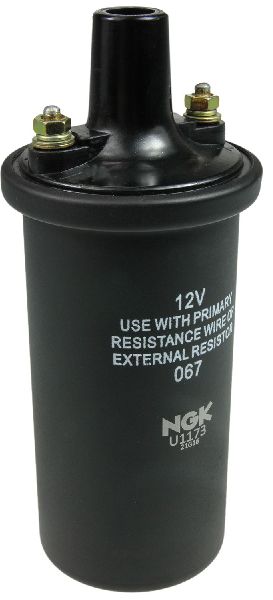
For a vintage vehicle like the 1963-1965 J-300, finding a "new old stock" (NOS) OEM part is nearly impossible and would be very expensive. Aftermarket parts are the go-to solution. The good news is that the canister-style coil used in your Jeep is a common design, and many reliable aftermarket brands produce quality replacements.
When shopping, it's helpful to think of brands in tiers based on reputation and quality. For your J-300, here’s how the available brands generally stack up:
Tier 1: OE-Quality or Better
These brands are known for meeting or exceeding original equipment standards and are trusted by professional mechanics.
- Standard Ignition (SMP): A long-standing, highly reputable brand known for producing durable, reliable ignition components.
- NGK: A top name in ignition systems, often an OEM supplier for many manufacturers. Known for quality and performance.
- Accel: Often seen as a performance upgrade, Accel is a well-known brand in the classic vehicle community. While some see them as a step up, others feel they are comparable to high-quality stock replacements.
Tier 2: Standard Replacement Grade
These brands offer a good balance of quality and value, making them solid choices for a daily driver or restoration project.
- Walker Products: A well-established company that produces a wide range of engine management parts.
- WAI Global: A large supplier of automotive electronics with a reputation for reliable parts.
Tier 3: Value-Oriented
These brands focus on providing the most affordable options. They can be a good choice for a budget-conscious repair, but may not have the same long-term durability as higher-tier brands.
- DriveWire: A brand offering a wide range of parts at competitive prices.
- Global Parts: Typically focused on providing affordable replacement components.
Cost of a New Ignition Coil for a 1963-1965 Jeep J-300
Here is a general breakdown of what you can expect to pay for a new ignition coil. Labor costs are minimal if you have it installed during a larger tune-up.
| Part Type | Estimated Cost |
|---|---|
| New Aftermarket | $23.02 - $51.38 |
| Shop Labor | $50 - $100 |
Frequently Asked Questions
Do I need a special coil for my J-300's "Tornado" engine?
No, a standard 12-volt canister coil designed for vehicles without an external resistor (or with a compatible ballast resistor, if your system requires it) will work. The key is to match the voltage and primary resistance specifications for your year. The brands listed are compatible with the 230 cu in "Tornado" OHC inline-6 engine.
Is it difficult to replace the ignition coil myself?
No, this is a very easy job for a DIY mechanic. The coil is typically mounted on the engine or fender wall and is held by a simple bracket. It involves disconnecting the battery, removing a few electrical wires and the main coil wire to the distributor, and unbolting the bracket. The entire process usually takes less than 30 minutes.
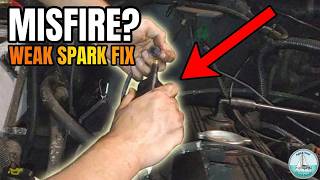
🎬 See how to diagnose and replace a Jeep ignition coil.Should I replace my spark plugs and wires at the same time?
It's an excellent idea. A new, strong coil will put more stress on old, worn-out spark plugs and wires. Replacing all tune-up components at the same time ensures the entire ignition system is in top shape and delivers the best performance and reliability.
Are there any recalls or technical bulletins for my J-300's ignition coil?
No. Searches of the National Highway Traffic Safety Administration (NHTSA) database and other resources show no specific recalls or Technical Service Bulletins (TSBs) for the ignition coil on the 1963-1965 Jeep J-300. Any recalls found for Jeep ignition systems are for much newer models with completely different technologies.
Helpful Videos
Technical Specifications
This vehicle uses a single, 12-volt, canister-style ignition coil. It is part of a conventional distributor-based ignition system. Compatibility may depend on whether the vehicle's ignition system uses a ballast resistor.
We Have This Part in Stock


The information in this article is provided for general reference and educational purposes only. Vehicle specifications, procedures, and part compatibility can vary by production date, trim level, and region. Always consult your vehicle's factory service manual and verify part numbers before purchasing or performing repairs. Safety-critical components such as airbags, seat belts, and braking systems should be installed by a qualified professional.