

Jeep J-220 Universal Joint Replacement Guide (1963-1965)
Keep your classic J-220 running smoothly by understanding, identifying, and replacing worn universal joints.
- A clicking or clunking noise when shifting gears is a primary symptom of a failing U-joint on your J-220.
- Ignoring a bad U-joint can lead to driveshaft separation and a serious accident.
- Choose a quality aftermarket brand like Moog, SKF, or the Jeep-specialist Omix-Ada for reliability.
- Replacing U-joints is a manageable DIY task if you have a vise or press, but rust can complicate the job.
Is Your Jeep J-220's U-Joint Failing?
A failing U-joint is not just noisy; it's a warning sign. If a U-joint breaks completely while you're driving, the driveshaft can fall, potentially digging into the pavement and causing a catastrophic loss of control. For a classic truck like the J-220, paying attention to these symptoms is key to keeping it on the road safely.
Key Failure Symptoms:
- Clicking or Clunking Noises: A distinct metallic 'clunk' when you shift into Drive or Reverse is a classic sign of a worn U-joint. You might also hear a clicking or popping sound when turning.
- Squeaking at Low Speeds: A repetitive squeak or chirp that matches the rotation of your wheels, especially when starting from a stop, often points to a dry and failing U-joint.
- Vibrations Under Your Seat: As the U-joint wears, it allows the driveshaft to become unbalanced, creating a vibration you can feel in the floor and seats. This vibration often gets worse as your speed increases. 🎬 Watch this video to help identify common bad U-joint symptoms.
- Visible Rust or Damage: Look under your truck at the driveshafts. If you see rust dust around the U-joint's bearing caps or if the rubber seals are missing, the joint is likely failing.
Choosing the Right Aftermarket U-Joint
Original Equipment (OEM) U-joints for a 1963-1965 J-220 are no longer in production. Your options are new aftermarket parts or, if you can find them, New Old Stock (NOS) parts. For this guide, we'll focus on readily available aftermarket brands.
Aftermarket U-joints come in two main types: greasable and non-greasable (sealed).
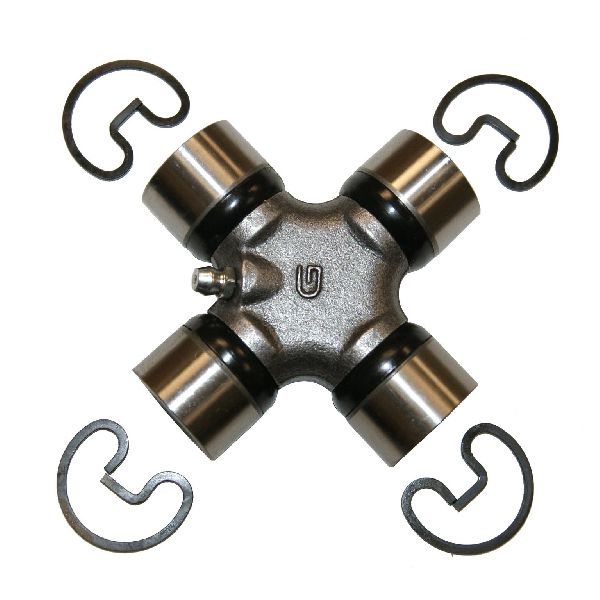
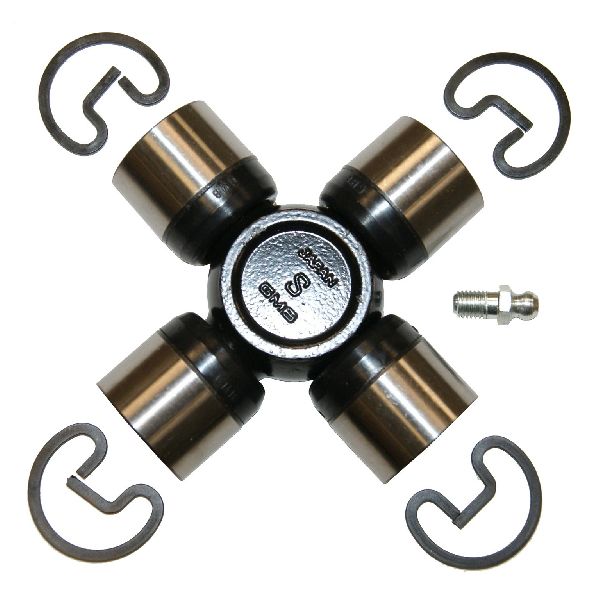
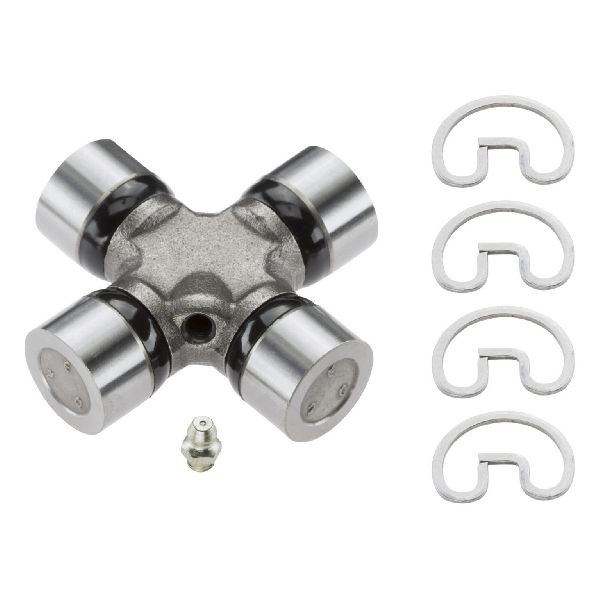
- Greasable: These have a zerk fitting that allows you to add new grease periodically. This is great for pushing out water and contaminants, especially if you use your J-220 in harsh conditions. However, you must remember to grease them regularly.
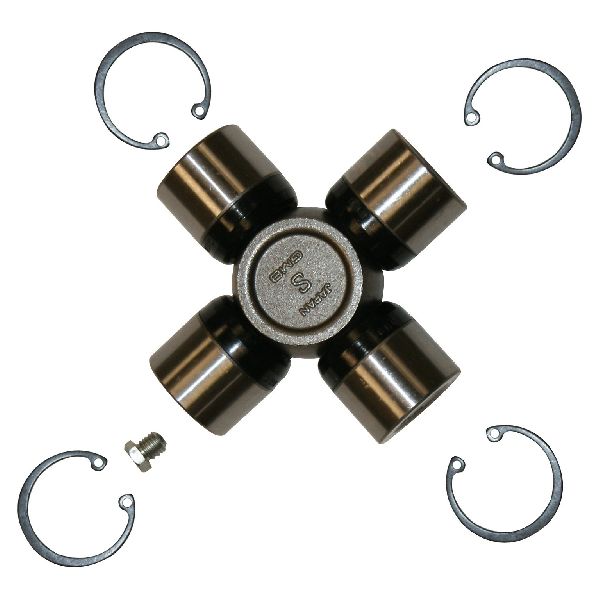
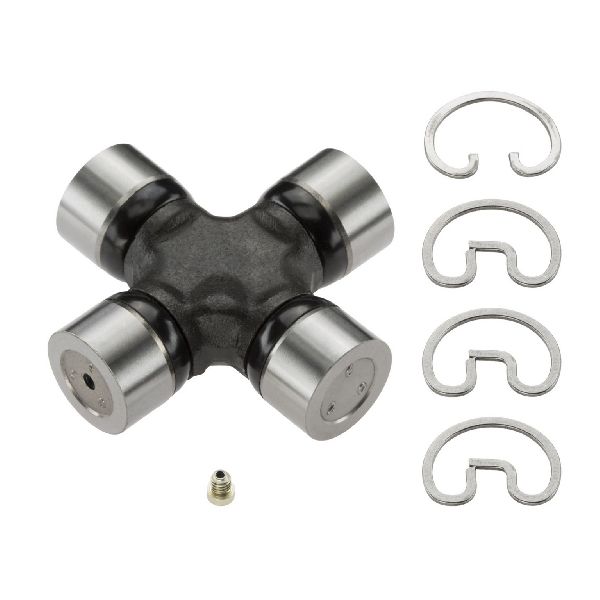
- Non-Greasable (Sealed): These are filled with grease at the factory and sealed. Many mechanics believe high-quality sealed joints are stronger because the cross isn't hollowed out for grease channels. They are a fit-and-forget option until they wear out.
Brand Quality Tiers
For a vintage truck, selecting a quality part is crucial. Here’s an honest breakdown of the available brands:
- Premium Choice (Moog, SKF): Moog and SKF are well-regarded in the aftermarket for driveline components. Moog's "Super Strength" line is known for durability, and SKF's "Brute Force" joints are also a top-tier choice. While some forum users have noted occasional quality control issues with modern Moog parts, they are generally considered a reliable option for classic trucks.
- Jeep Specialist (Omix-Ada): Omix-Ada specializes in parts for Jeep vehicles, from classic to modern. They are a go-to for many restoration projects and are known for producing parts that meet or exceed original specifications. For a J-220, Omix-Ada is an excellent choice as they focus specifically on the Jeep brand's needs. 🎬 See a review of Omix-Ada quality for Jeep replacement parts.
- Standard Replacement (GMB): GMB is a major manufacturer that supplies parts to both automakers and the aftermarket. They are a solid, reliable choice for a standard replacement and often provide excellent value.
Estimated Costs for Your J-220
| Part or Service | Estimated Cost |
|---|---|
| New Aftermarket Universal Joint | $18.53 - $39.08 |
| Shop Labor for Replacement (per joint) | $100 - $200 |
Note: Labor costs can vary significantly based on your location and the shop's hourly rate. Rust on a vintage vehicle can make the job take longer.
Frequently Asked Questions (FAQ)
Are there any recalls for 1963-1965 Jeep J-220 U-joints?
No, there are no recalls or Technical Service Bulletins (TSBs) on file with the National Highway Traffic Safety Administration (NHTSA) for universal joints on the 1963-1965 Jeep J-220. Any issues you experience are due to normal wear and tear on this vintage vehicle.
Can I replace a J-220 U-joint myself?
Yes, this is a feasible DIY job for someone with mechanical experience and the right tools. You will need a good set of sockets, a hammer, and either a bench vise or a U-joint press to remove the old joint and install the new one. The biggest challenge on a vehicle of this age will likely be rust, so be prepared with penetrating oil.
🎬 Learn how to replace a U-joint using a hammer and vise.Should I choose a greasable or a sealed U-joint?
This depends on your preference. A high-quality sealed joint from a brand like SKF or Moog is often considered stronger and requires no maintenance. A greasable joint from Omix-Ada or GMB can have a longer life if you are diligent about regular maintenance, especially if the truck is used off-road or in wet conditions.
How many U-joints does my J-220 have?
A typical 4x4 like the J-220 will have at least three U-joints: two on the rear driveshaft and one on the front driveshaft. Some configurations may have a double-cardan joint at the transfer case, which contains two U-joints in a single assembly. It's best to inspect your specific truck to confirm the configuration.
Helpful Videos
Technical Specifications
U-joint selection is based on the specific driveshaft and yoke dimensions of your truck. It is critical to measure your existing U-joint's cap diameter and overall width or purchase a part specifically listed for the 1963-1965 Jeep J-220 to ensure correct fitment.
We Have This Part in Stock
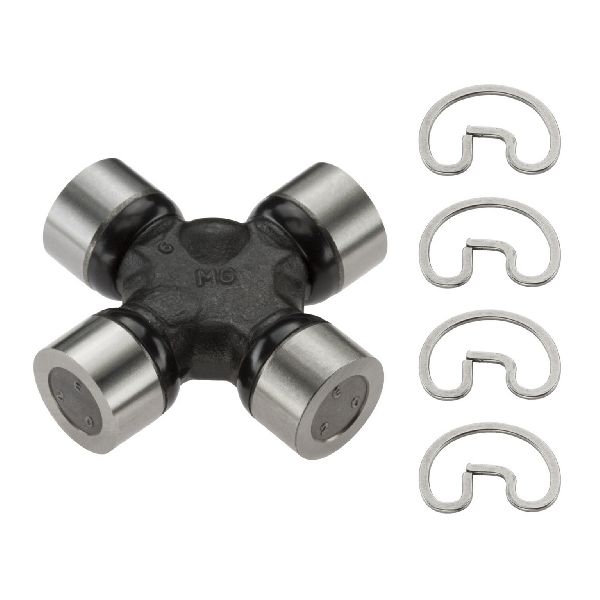

The information in this article is provided for general reference and educational purposes only. Vehicle specifications, procedures, and part compatibility can vary by production date, trim level, and region. Always consult your vehicle's factory service manual and verify part numbers before purchasing or performing repairs. Safety-critical components such as airbags, seat belts, and braking systems should be installed by a qualified professional.