

Ignition Coil Guide for the 1963-1965 Jeep J-220
Keep your classic Jeep running strong by understanding its simple, yet vital, ignition coil.
- For a stock 1963-1965 J-220, a standard replacement coil from a reputable brand like NGK or Standard Ignition is a reliable and cost-effective choice.
- Symptoms like misfiring, hard starting, or stalling are common signs of failure, but also check the points, condenser, and spark plug wires, as they can cause similar issues.
- Replacing the coil is a very simple DIY job that takes less than 30 minutes with basic hand tools.
- New OEM coils are unavailable; modern aftermarket parts are the only option and are often an improvement over the original 1960s technology.
Is Your Jeep J-220's Ignition Coil Failing?
The ignition coil is a durable part, but its 60-year-old design can eventually fail due to age, heat, and vibration. When it starts to go bad, the symptoms are often hard to miss. Because the J-220 has a simple, non-computerized ignition system, troubleshooting is straightforward.
Common Symptoms of a Bad Ignition Coil:
- Engine Misfires: The engine may sputter, shake, or run unevenly, especially under acceleration. This happens when the coil provides a weak spark, failing to ignite the fuel in a cylinder.
- Hard Starting or No Start: A weak or dead coil won't provide the necessary voltage to create a spark, making the engine difficult to start or preventing it from starting at all.
- Stalling: The engine may stall unexpectedly, especially when it's warm. As the coil gets hot, its internal windings can separate, causing a loss of spark.
- Loss of Power: You might notice your truck feels sluggish or struggles to accelerate because the engine isn't firing efficiently.
- Backfiring: A loud pop from the exhaust can occur when unburned fuel, resulting from a lack of spark, ignites in the hot exhaust system.
Choosing the Right Aftermarket Ignition Coil
Original Equipment Manufacturer (OEM) ignition coils for a 1960s Jeep are no longer produced. The market consists entirely of new aftermarket parts, which are often built with more modern, reliable technology than the originals.
Aftermarket coils for your J-220 fall into a few categories:
Tier 1: Performance Brands
These brands are often marketed as an upgrade for improved spark energy. For a stock engine, the benefit may be minimal, but they are a popular choice for those seeking potential performance gains.
- Accel: Known for its distinctive yellow color and performance claims. Reviews are often mixed; some users report good performance, while others have experienced premature failures.
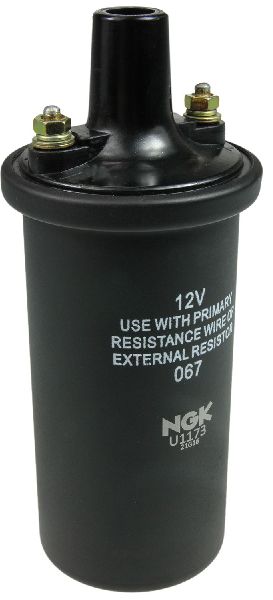
- NGK: A highly respected brand known for quality and reliability in ignition components. An NGK canister coil is a strong choice for a dependable, high-quality replacement.
Tier 2: Standard Replacement Brands
These brands aim to meet or exceed the original specifications and are the most common choice for a reliable, everyday replacement.
- Standard Ignition (SMP): A long-standing aftermarket manufacturer with a reputation for producing solid, reliable ignition parts.
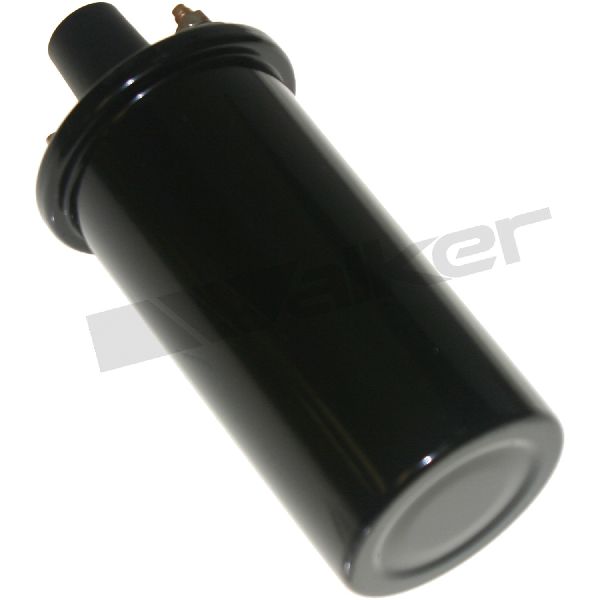
- Spectra & Walker Products: These brands offer dependable replacement parts that are a good balance of quality and value.
Tier 3: Economy Brands
Brands like DriveWire, Global Parts, and WAI Global offer a budget-friendly solution. They are functional replacements that will get your truck running but may not offer the same long-term durability or performance consistency as higher-tiered brands.
Estimated Costs for Ignition Coil Replacement
| Item | Estimated Cost |
|---|---|
| New Aftermarket Ignition Coil | $23 - $52 |
| Shop Labor | $50 - $100 |
| Total (Professional Install) | $73 - $152 |
Frequently Asked Questions
Can I replace the ignition coil on my J-220 myself?
Yes, absolutely. This is a very simple job for a DIY mechanic. The coil is easily accessible in the engine bay and is typically held by one bracket with two small wires and the main high-tension wire to the distributor. The entire job can usually be done in under 30 minutes with basic hand tools.
Do I need a special "high-performance" coil?
For a stock J-220 engine, a standard replacement coil from a reputable brand like NGK or Standard Ignition is perfectly adequate and reliable. A high-performance coil may provide a stronger spark but offers no real benefit unless you have made significant engine modifications like a high-compression build or a different carburetor setup.
What is the difference between an oil-filled and an epoxy-filled coil?
Original coils were filled with oil to cool the internal windings. Modern coils often use solid epoxy, which is more durable, handles vibration better, and dissipates heat more effectively. Epoxy-filled coils can also be mounted in any orientation, whereas oil-filled coils should be mounted upright.
How do I know the coil is the problem and not something else?
The symptoms of a bad coil can also be caused by a faulty condenser, worn-out points in the distributor, or bad spark plug wires. A simple way to test for spark is to carefully hold the end of the coil's high-tension wire near a metal part of the engine while a helper cranks the engine. If you don't see a strong, blue spark, the coil is a likely culprit. Always check the simple things first.
Technical Specifications
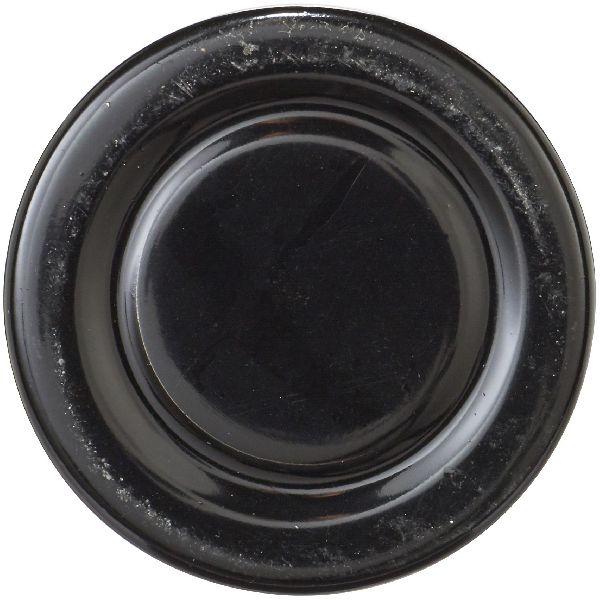
This vehicle uses a single, canister-style ignition coil designed for a 12-volt, points-based ignition system. It typically requires an external ballast resistor to regulate voltage.
We Have This Part in Stock


The information in this article is provided for general reference and educational purposes only. Vehicle specifications, procedures, and part compatibility can vary by production date, trim level, and region. Always consult your vehicle's factory service manual and verify part numbers before purchasing or performing repairs. Safety-critical components such as airbags, seat belts, and braking systems should be installed by a qualified professional.