

Jeep J-210 Starter Motor Guide: 1963-1965
Everything you need to know to get your classic 1963-1965 J-210 cranking reliably again.
- For a 1963-1965 J-210, new aftermarket starters are the most reliable option, as new OEM parts are unavailable.
- Before replacing the starter, always verify the battery is fully charged and all electrical grounds are clean and tight, as bad connections are a common problem on these vintage trucks.
- Common failure symptoms include a loud click with no crank, slow cranking, or intermittent starting issues.
- Upgrading to a high-torque, gear-reduction starter from a brand like Powermaster can solve common hot-start problems and provide more reliable cranking.
Is Your J-210 Starter Failing?
A failing starter on a vintage truck like the J-210 can be caused by decades of wear, internal corrosion from sitting, or worn-out electrical components. Because these trucks have simpler electrical systems, the problem can also be in the wiring or connections. Before replacing the starter, always make sure your battery is fully charged and the battery cables, including the ground connections to the frame and engine block, are clean and tight.
Common Symptoms of a Bad Starter
- Single Loud Click, No Crank: You turn the key and hear one solid 'thud' or 'click', but the engine doesn't turn over. This often means the starter solenoid is engaging, but the motor itself is failing to spin.
- Rapid Clicking Sound: A fast clicking or chattering noise when you try to start the engine usually points to a low battery, but it can also happen if the starter solenoid can't get enough power due to bad cables or an internal starter fault.
- Slow, Labored Cranking: The engine turns over very slowly, as if the battery is weak. While this can be a battery issue, a failing starter can also draw too much power, causing the slow crank.
- No Sound at All: If there's no sound when you turn the key, the problem could be the starter, but it's also important to check the ignition switch and the neutral safety switch.
- Hot-Start Problems: The truck starts fine when cold, but after it warms up and you shut it off, it refuses to crank. This can be caused by increased resistance inside an aging starter motor when it gets hot.
Choosing the Right Aftermarket Starter
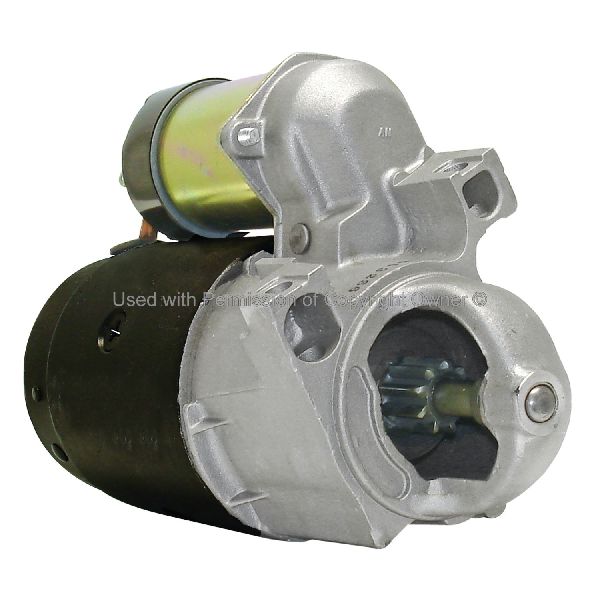
For a 1963-1965 J-210, finding a New Old Stock (NOS) or new OEM starter is nearly impossible. The market consists of new aftermarket and remanufactured starters. A modern aftermarket starter can be a significant upgrade, offering better technology and more power than the 60-year-old original design.
Available Aftermarket Brand Tiers
| Brand | Assessment |
|---|---|
| MPA (Motorcar Parts of America) | MPA is a major manufacturer of quality standard replacement parts. Their starters are built to meet or exceed original factory specifications and are rigorously tested for reliability. An MPA starter is a dependable, direct-fit choice for a stock J-210 that needs a reliable replacement for daily driving. |
| Powermaster | Powermaster specializes in high-performance starters. They are well-regarded for their gear-reduction designs, which deliver higher torque to turn the engine over with less effort. This can be a great upgrade for a J-210, especially if you experience hot-start problems or have a modified engine. They are often lighter and smaller than the original starter. |
A Note on Remanufactured Parts
Remanufactured starters can be a cost-effective option, but quality varies. A good remanufactured unit is completely disassembled, cleaned, and worn components are replaced. However, some rebuilds may only replace the failed part. Given the age of these starters, a new aftermarket unit from a reputable brand is often a more reliable long-term solution.
Known Issues, Recalls, and Bulletins
There are no official recalls or Technical Service Bulletins (TSBs) from the NHTSA for the starter motor on the 1963-1965 Jeep J-210. This is expected for a vehicle of this era. The most common issues are not defects but are related to age and wear. Owners frequently report problems stemming from poor electrical grounds, which can cause a variety of starting issues that mimic a bad starter. Ensuring a solid, clean ground strap from the engine to the frame is a critical first step in troubleshooting.
Frequently Asked Questions (FAQ)
How do I test my J-210 starter?
First, rule out the battery and cables. If those are good, you can perform a voltage drop test on the starter circuit or a bench test. For a bench test, you remove the starter and use jumper cables to connect it to a battery. Ground the starter case to the negative terminal and touch the positive cable to the starter's main power post and trigger terminal. If the motor doesn't spin powerfully, it has failed. Tapping on the starter case with a hammer while a helper tries to crank the engine can sometimes make it work one last time, confirming the starter is the problem.
Is replacing the starter a DIY job?
Yes, for someone with basic mechanical skills and tools, this is a very feasible DIY job. Access on these old trucks is generally good. The process involves disconnecting the battery, safely raising the vehicle, removing the electrical connections from the starter, and unbolting the two or three mounting bolts. The biggest challenge is likely to be dealing with rusted bolts and old, brittle wiring.
Do I need a high-torque starter for my stock 'Tornado' engine?
While not strictly necessary for a stock engine in good condition, a high-torque starter like those from Powermaster can be a worthwhile upgrade. They draw less current and turn the engine over faster, which puts less strain on your battery and can overcome issues like hot-starting or slightly advanced timing.
What is a starter solenoid and is it included?
The solenoid is a powerful electromagnetic switch that does two things: it pushes the starter gear out to engage the flywheel and it closes the circuit to send power to the starter motor. On most modern starters, the solenoid is attached to the top of the motor. New aftermarket starters for your J-210 will come with the solenoid already attached and ready for installation.
Technical Specifications
Engine Application: Kaiser-Jeep 230 OHC 'Tornado' I6. Voltage: 12V.
We Have This Part in Stock

The information in this article is provided for general reference and educational purposes only. Vehicle specifications, procedures, and part compatibility can vary by production date, trim level, and region. Always consult your vehicle's factory service manual and verify part numbers before purchasing or performing repairs. Safety-critical components such as airbags, seat belts, and braking systems should be installed by a qualified professional.