

Jeep J-210 Ignition Coil Guide: Choosing the Right Part for 1963-1965
Everything you need to know about replacing the ignition coil on your classic Jeep J-210 pickup.
- A failing ignition coil on a J-210 causes common issues like misfiring, hard starting, stalling, and poor power.
- Replacement is simple and very DIY-friendly, typically taking less than 30 minutes.
- Quality aftermarket brands like Standard Ignition and NGK are excellent choices for reliability.
- Check if your truck's ignition system uses an external ballast resistor to ensure you buy a compatible coil.
Is Your Ignition Coil Failing?
The ignition coil on a classic truck like the J-210 is a simple, oil-filled canister. While durable, these parts eventually wear out from age, heat, and vibration. The symptoms of a failing coil are often straightforward and will noticeably affect how your truck runs.
Common Symptoms of a Bad Ignition Coil:
- Engine Misfires or Runs Rough: The engine may sputter, shake, or feel unbalanced, especially when idling or under load.
- Hard Starting or No Start: The engine cranks but struggles to fire up, or won't start at all. This happens because the coil isn't providing enough voltage for a strong spark.
- Stalling: The engine may die unexpectedly, particularly after it has warmed up. A failing coil can become heat-sensitive and stop working once it reaches a certain temperature.
- Backfiring: A loud pop or bang from the exhaust can occur when unburned fuel ignites in the exhaust system, a sign of an inconsistent spark.
- Poor Power and Acceleration: Your truck may feel sluggish and weak because the engine isn't producing full power.
- Worse Fuel Economy: An inefficient spark leads to incomplete combustion, forcing the engine to use more fuel.
No-Start Condition is a Major Sign
On a simple ignition system like the one in the J-210, a completely failed coil means no spark at all. If your truck cranks but won't start, the coil is a primary suspect along with the distributor cap, rotor, and points.
Choosing the Right Aftermarket Coil
For a vehicle from the mid-1960s, finding a "new OEM" ignition coil from Jeep is not a realistic option. The market consists almost entirely of aftermarket replacements, which are readily available and work well. The key is choosing a brand with a reputation for quality.
Aftermarket Brand Tiers for Your J-210
We can group the available brands into tiers based on their general reputation for quality and performance in classic applications.
Tier 1: Premium Quality Replacements
These brands are known for producing high-quality ignition components that meet or exceed original specifications. They are an excellent choice for owners who want reliability and long-term durability.
- Standard Ignition (Standard Motor Products): A long-trusted name in the aftermarket, often considered a go-to for reliable, stock-style replacement parts.
- NGK: While famous for spark plugs, NGK also manufactures high-quality ignition coils known for their dependability.
Tier 2: Performance Upgrade
This brand focuses on enhanced performance, which can be a good option for modified trucks or for owners looking for the strongest possible spark.
- Accel: Known for high-output, bright yellow coils, Accel is a popular choice in the classic and performance communities. While some users question their long-term durability compared to stock-style parts, they are known for delivering a hotter spark.
Tier 3: Standard Replacements
These brands offer functional, budget-friendly replacements that will get the job done. They are a good choice for a daily driver or a project on a tighter budget.
- DriveWire
- Global Parts
- Spectra
- WAI Global
- Walker Products
Check for a Ballast Resistor
Many ignition systems from this era use a ballast resistor to reduce voltage to the coil during normal operation, protecting the ignition points. Check your service manual to see if your system requires one. Using the wrong coil (one with an internal resistor paired with an external one, or vice-versa) can lead to premature coil failure or a weak spark.
Cost of a New Ignition Coil (1963-1965 Jeep J-210)
Replacing the ignition coil is one of the more affordable repairs you can make. The part itself is inexpensive, and labor is minimal.
| Part Type | Estimated Cost |
|---|---|
| New Aftermarket Ignition Coil | $23 - $52 |
| New OEM Ignition Coil | Not Available |
| Shop Labor Cost | $50 - $150 |
| Total Cost (DIY) | $23 - $52 |
| Total Cost (Installed) | $73 - $202 |
Frequently Asked Questions
Is replacing the ignition coil a difficult job?
No, this is a very easy job for a DIYer. The coil is typically held by a single bracket and has only three wires to connect: a positive, a negative, and the main high-tension lead to the distributor. The entire process usually takes less than 30 minutes.
Do I need a high-performance coil like Accel?
For a stock Jeep J-210 with the Tornado I6 engine, a standard replacement coil from a quality brand like NGK or Standard Ignition is perfectly adequate. A high-performance coil may provide a slightly stronger spark but is generally not necessary unless you have made other performance modifications to the engine.
Should I replace anything else with the coil?
It's a good practice to inspect other ignition components at the same time. Check the distributor cap and rotor for cracks or corrosion, inspect the ignition points for wear, and look at the spark plug wires for any signs of damage. These parts are all part of the same system and wear out over time.
Are there any recalls for the J-210 ignition coil?
No. There are no active recalls or technical service bulletins (TSBs) related to the ignition coil for the 1963-1965 Jeep J-210. This is common for vehicles of this age, as manufacturer and government records from that era are not extensively digitized.
Technical Specifications
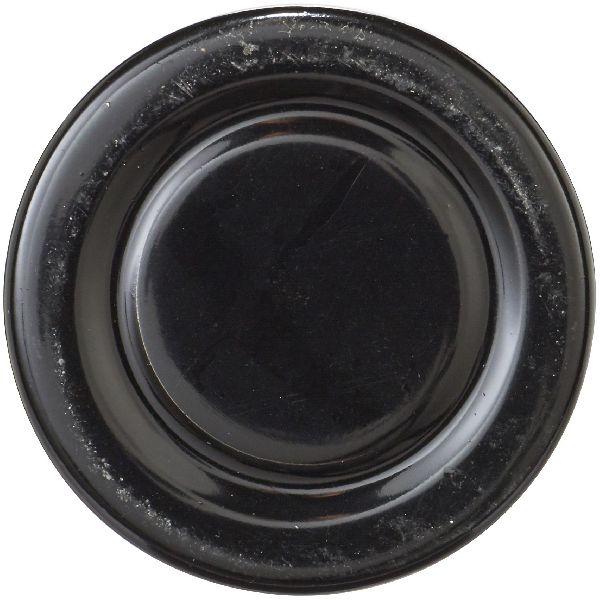
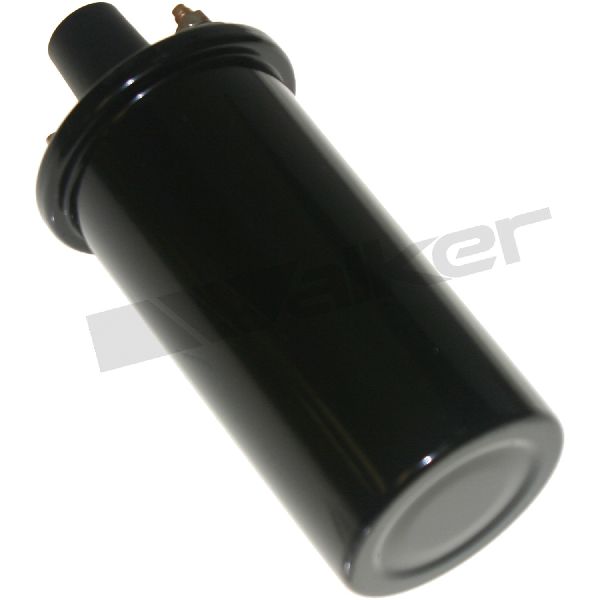
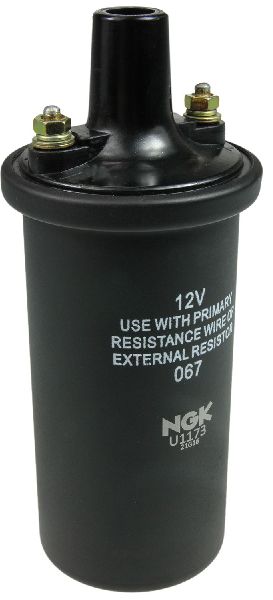
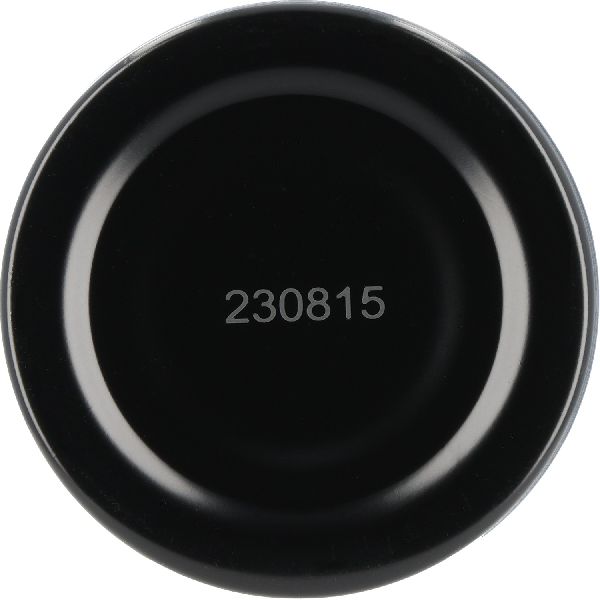
The 1963-1965 Jeep J-210 uses a single, oil-filled canister-style ignition coil compatible with a conventional distributor and points ignition system. Some systems may require an external ballast resistor.
We Have This Part in Stock


The information in this article is provided for general reference and educational purposes only. Vehicle specifications, procedures, and part compatibility can vary by production date, trim level, and region. Always consult your vehicle's factory service manual and verify part numbers before purchasing or performing repairs. Safety-critical components such as airbags, seat belts, and braking systems should be installed by a qualified professional.