

Alternator Guide for the 1963-1965 GMC PB2500 Series Van
Keep your classic GMC van running strong by understanding its charging system and how to choose the right new alternator.
- First, confirm if your van has an original generator or an alternator, as a conversion is a common and worthwhile upgrade.
- For a stock vehicle, a standard 60-amp alternator is sufficient; for vans with modern electronics, upgrade to a high-output unit and a heavier charge wire.
- Symptoms like dimming lights, a whining noise from the engine, or a frequently dead battery strongly point to a failing alternator.
- Aftermarket brands like Remy, BBB Industries, and MPA are your main options, as new OEM parts are no longer produced for this vehicle.
Generator vs. Alternator: A Key Difference for Your Classic Van
Many vehicles from the early 1960s, including some 1963-1965 GMC models, originally came equipped with a DC generator, not an alternator. Generators are less efficient, especially at idle, and produce less power than a modern alternator. If your PB2500 Series still has its original generator and external voltage regulator, upgrading to a self-regulating, modern alternator is a common and highly recommended modification. This provides more stable power for modern needs and is often more reliable. Before buying, confirm if you are replacing an existing alternator or converting from a generator, as a conversion may require different brackets or wiring.
Top 3 Signs Your Alternator is Failing
An alternator rarely fails without warning. If you notice these symptoms, it's time to inspect your charging system.
- Dimming or Flickering Lights: Headlights that get brighter when you rev the engine and dim at idle are a classic sign of a weak alternator. This can also affect your dashboard lights.
- Whining or Grinding Noises: Sounds from the front of the engine that change with engine speed can point to bad bearings inside the alternator. A squealing noise could also indicate a loose or worn belt that drives the alternator.
- Dead Battery & Trouble Starting: If your battery constantly needs a jump-start, the alternator is likely not recharging it properly. The engine may also stall while driving because the ignition system isn't receiving enough power.
OEM Parts Are No Longer Available
For a vehicle of this age, finding a new Original Equipment Manufacturer (OEM) alternator from GM is not a realistic option. The market for charging system parts for the PB2500 Series consists entirely of new and remanufactured aftermarket units. Fortunately, many aftermarket brands produce reliable parts that meet or exceed the original specifications.
Choosing the Right Aftermarket Alternator Brand
When shopping for a new aftermarket alternator, you'll find several brands available. Quality can vary, so it's helpful to understand where each brand generally stands.
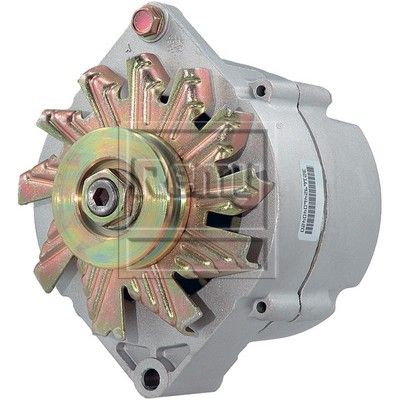
- Remy: Often considered a higher-tier brand with a long history dating back to the original Delco-Remy that supplied GM. They offer both new and remanufactured units that are tested to meet OE specifications. While some users report long-term reliability, others have experienced premature bearing failure.
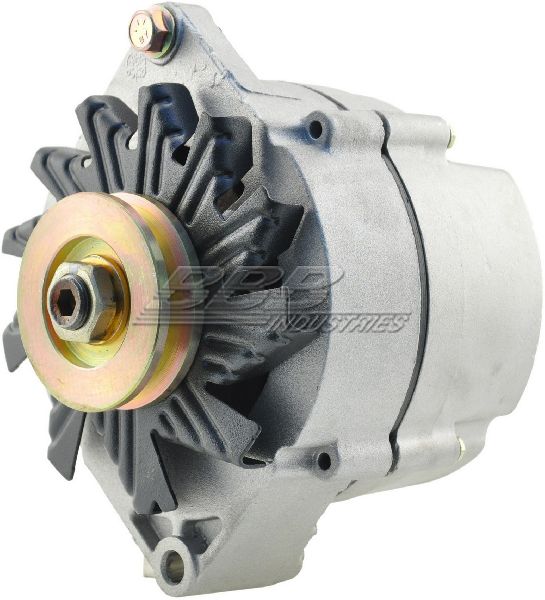
- BBB Industries: A large manufacturer that produces new and remanufactured alternators for many store brands like NAPA. They are generally seen as a decent, mid-tier option, though quality can sometimes be inconsistent, as with many remanufactured parts.
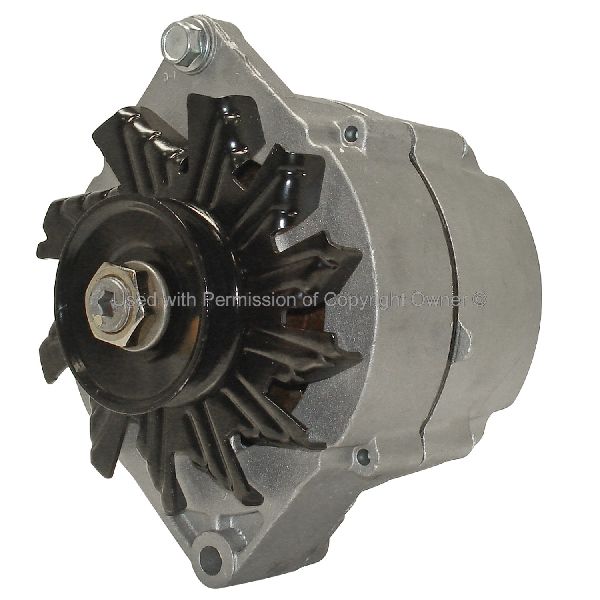
- MPA (Motorcar Parts of America): This company produces the Quality-Built (QB) and Pure Energy lines. They offer both new and remanufactured units that are tested to meet or exceed OE specs for performance and durability.
Pro Tip: Check Your Amperage Needs
A stock PB2500 Series van has minimal electrical needs, so a standard output alternator (around 60 amps) is usually sufficient. However, if you have added modern accessories like a powerful stereo, electric cooling fans, or extra lighting, you should consider a high-output alternator (100 amps or more) to handle the extra load. If you upgrade to a higher amperage, you must also upgrade the main charge wire from the alternator to the battery to prevent a fire hazard.
Frequently Asked Questions
Can I install a new alternator myself?
Yes, for a mechanically inclined owner with basic hand tools, replacing the alternator is a very feasible DIY job. It typically involves disconnecting the battery, loosening the belt tensioner, removing the old unit, installing the new one, and re-tensioning the belt. The process can take one to two hours. A generator-to-alternator conversion is more involved and may require custom brackets and wiring modifications.
What's the difference between a new and a remanufactured alternator?
A new alternator is made with 100% new components. A remanufactured alternator has been completely disassembled, cleaned, and inspected. Wearable components like bearings and brushes are replaced, and the unit is tested to ensure it performs like new. Both can be reliable, but new units sometimes have a slight edge in longevity.
What is a "one-wire" alternator?
A one-wire alternator is a simplified design popular for conversions and custom builds. It has a single wire that connects to the battery for charging. Traditional alternators use a three-wire setup for the battery, ignition/warning light, and voltage sensing. One-wire units offer a cleaner installation but may not start charging until the engine is revved to a certain RPM.
Are there any recalls for the alternator on my 1963-1965 GMC PB2500?
No, there are no recalls or technical service bulletins (TSBs) specifically related to the alternator for the 1963-1965 GMC PB2500 Series. Recalls for vehicles of this era are extremely rare.
Technical Specifications
Voltage: 12V; Amperage: 37A to 63A (standard), 100A+ (high-output); Regulator: External (original) or Internal (modern replacements); Polarity: Negative Ground. Note: Always verify mounting style and pulley alignment before purchase.
We Have This Part in Stock

The information in this article is provided for general reference and educational purposes only. Vehicle specifications, procedures, and part compatibility can vary by production date, trim level, and region. Always consult your vehicle's factory service manual and verify part numbers before purchasing or performing repairs. Safety-critical components such as airbags, seat belts, and braking systems should be installed by a qualified professional.