

GMC PB1500 Series Universal Joint Replacement Guide (1963-1965)
Address driveshaft clunks and vibrations in your classic GMC van with the right replacement U-joint.
- A clunking noise when shifting or a vibration at highway speeds are the most common signs of a failing U-joint on your PB1500.
- Do not drive with severe U-joint symptoms; a complete failure can disconnect the driveshaft, causing a loss of control and major damage.
- For this vintage van, you'll be choosing between aftermarket brands. High-quality sealed joints (like Spicer) are a durable, no-maintenance option, while greaseable joints (from Moog or GMB) can last longer if serviced regularly.
- It is highly recommended to replace all U-joints on the driveshaft at the same time.
Is Your PB1500's Drivetrain Making Noise?
A universal joint is a wear-and-tear part. After decades of service on a workhorse like a PB1500 Series van, the small needle bearings inside the U-joint's caps can wear out. This is especially true if the original grease has dried up or become contaminated. When they fail, it creates slack in the driveline, leading to noises and vibrations that you can hear and feel.
Symptoms of a Bad U-Joint
- Clunking Noise: The most common sign is a loud 'clunk' or 'ping' when you shift from park into drive or reverse. This is the sound of the driveshaft taking up the new slack in the worn joint.
- Vibrations at Speed: You may feel a vibration throughout the van that gets worse as you drive faster. This is often mistaken for an unbalanced tire, but if a tire balance doesn't fix it, the U-joints are a likely suspect.
- Squeaking or Chirping: A rhythmic squeak that matches the rotation of the driveshaft (faster than the wheels) points to a dry, failing U-joint.
- Visible Signs: If you look under the van at the driveshaft, you might see fine, rust-colored dust around one of the U-joint's bearing caps. This indicates the needle bearings inside have turned to dust.
Critical Failure Warning
Ignoring these symptoms can be dangerous. A complete U-joint failure will cause the driveshaft to detach. This results in a total loss of power and can cause the driveshaft to swing around violently, damaging the transmission, exhaust, and underside of your vehicle.
Choosing the Right Aftermarket U-Joint
For a vintage vehicle like the 1963-1965 PB1500, new original equipment (OEM) parts are no longer available. Your choice is between different aftermarket brands. The two main types are non-greaseable (sealed) and greaseable (with a zerk fitting for adding grease).
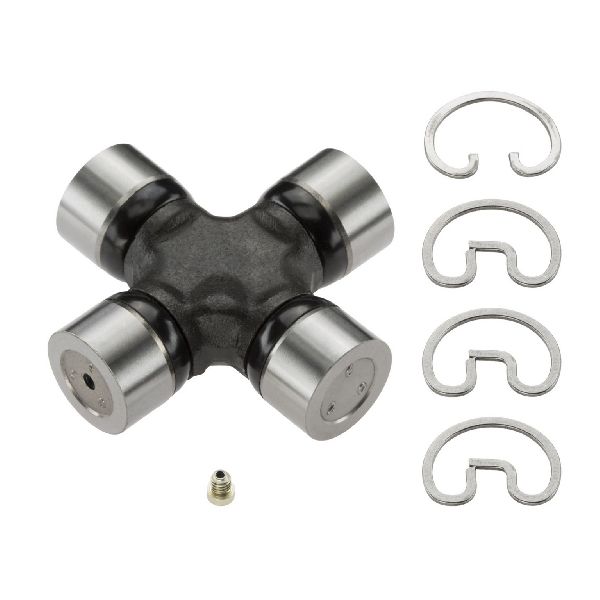
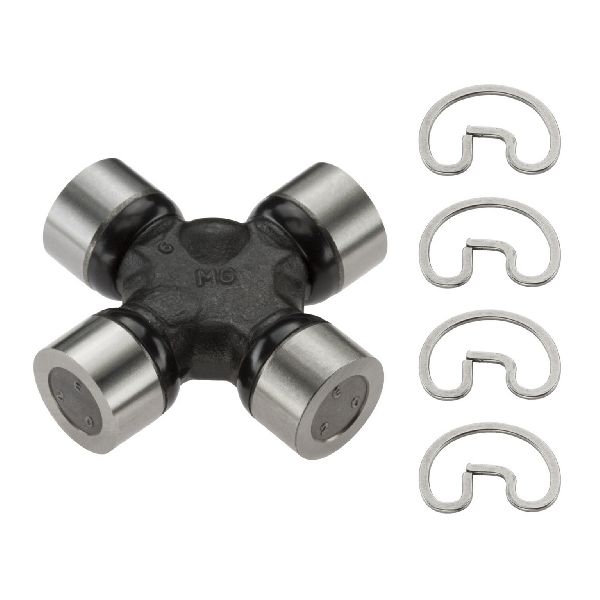
Non-Greaseable (Sealed) U-Joints: These are designed like most original joints. They are filled with grease at the factory and sealed for life. Many experts prefer this style, believing the solid cross design is stronger than the drilled-out cross of a greaseable joint.
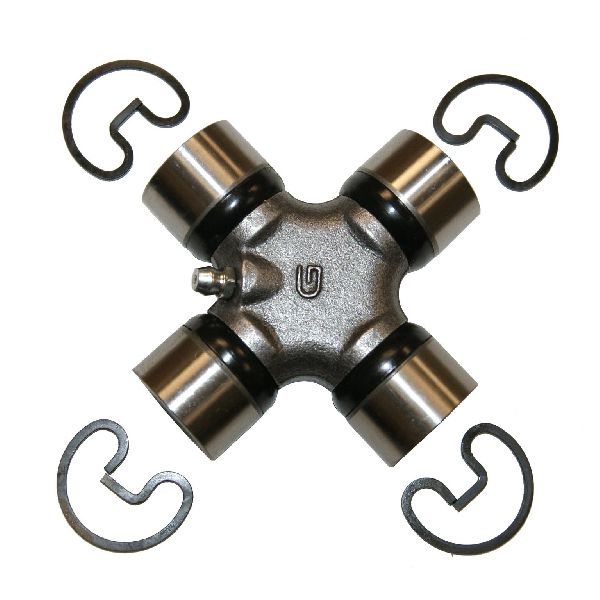
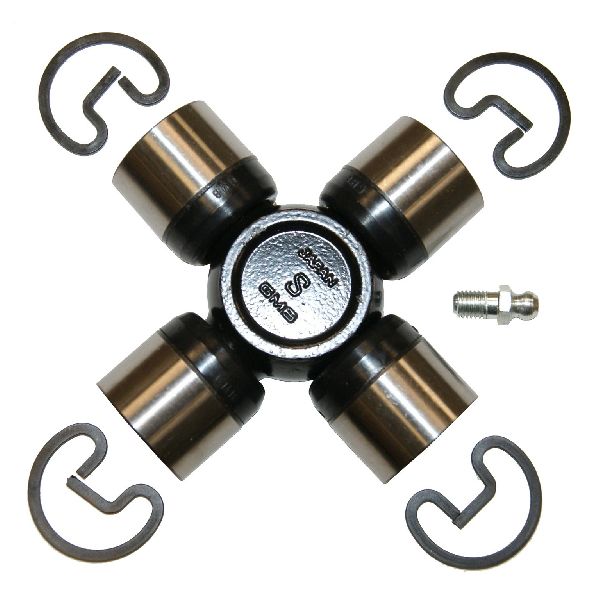
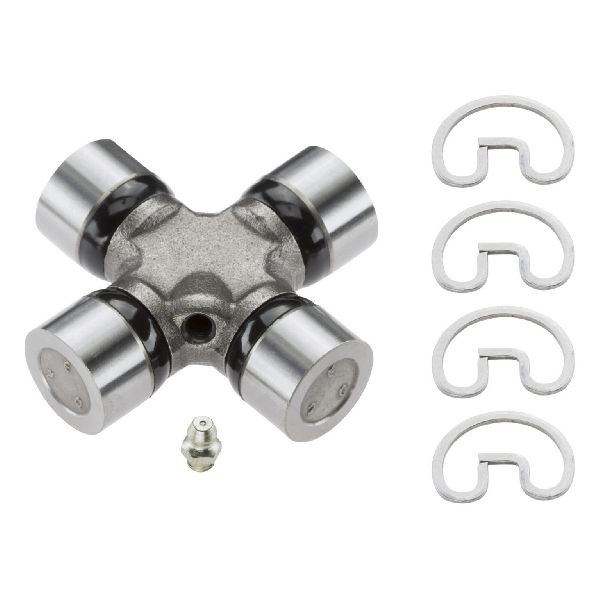
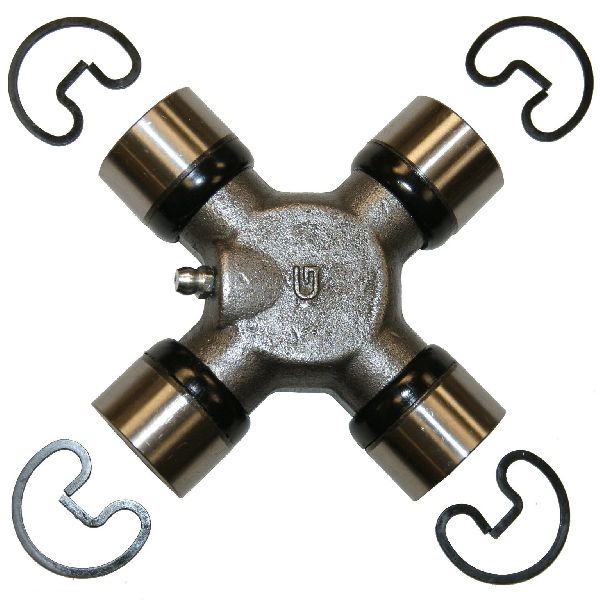
Greaseable U-Joints: These have a small grease fitting (zerk) that allows you to add fresh grease as part of regular maintenance. This can extend the life of the joint, but only if you remember to grease it regularly. Forgetting to do so can lead to premature failure.
Brand Tiers for Your GMC
- Moog: Historically a top-tier aftermarket brand, Moog is known for problem-solving designs, often featuring convenient grease fittings. However, in recent years, some professional mechanics and DIYers have reported inconsistent quality. For a classic truck, they remain a popular and widely available option.
- GMB: Often considered a reliable OEM-equivalent brand, GMB produces quality parts that meet or exceed original specifications. They are a solid, cost-effective choice for a standard replacement.
Pro Tip: Many classic truck enthusiasts strongly recommend the Spicer brand (made by Dana), considering them the gold standard for strength and reliability, especially their non-greaseable versions. While not listed in the prompt's inventory, they are worth considering if durability is your top priority.
Aftermarket Universal Joint Cost for 1963-1965 GMC PB1500 Series
| Part | Price Range |
|---|---|
| New Aftermarket Universal Joint | $18.53 - $30.34 |
Note: Prices are for the part only and do not include labor or taxes. Your vehicle has at least two U-joints on its main driveshaft.
Frequently Asked Questions
Do I need to replace all my U-joints at once?
It's a good practice. If one U-joint has failed due to age and mileage, the others are likely near the end of their service life as well. Replacing them all at the same time saves you from having to do the same job again in the near future.
Is a greaseable or non-greaseable U-joint better for my van?
It depends on your maintenance habits. A non-greaseable joint from a quality brand like Spicer is a fit-and-forget solution that is very strong. A greaseable joint from Moog or GMB can last longer, but only if you commit to greasing it with every oil change.
How do I know which size U-joint to buy?
Driveshaft components on these older GMCs can vary. The best way to ensure you get the right part is to measure the bearing cap diameter and the outside width of the old U-joint. Parts catalogs for 1963-1966 GMC C-series trucks often list the correct sizes, which are typically shared with the PB1500.
Can I replace a U-joint myself?
Yes, if you have the right tools and are comfortable working under your vehicle. The job requires removing the driveshaft and using a heavy-duty vise, a hydraulic press, or a large hammer and sockets to press the old joints out and the new ones in. It can be a tough job due to rust and tight-fitting parts.
Technical Specifications
U-joints for this vehicle are typically identified by bearing cap diameter (e.g., 1-1/16") and the overall width of the joint. Due to variations, measuring the original part is the most reliable way to ensure a correct fit.
We Have This Part in Stock

The information in this article is provided for general reference and educational purposes only. Vehicle specifications, procedures, and part compatibility can vary by production date, trim level, and region. Always consult your vehicle's factory service manual and verify part numbers before purchasing or performing repairs. Safety-critical components such as airbags, seat belts, and braking systems should be installed by a qualified professional.