

Accessory Drive Belt Guide for the 1963-1964 Studebaker 8E7D Truck
Keep your Studebaker V8 running cool and charging properly with the right modern V-belt.
- A failing belt will cause squealing noises, engine overheating, or a dead battery; replace it at the first sign of wear.
- Modern aftermarket brands like Gates, Dayco, and Continental are superior and more reliable than any remaining New Old Stock (NOS) belts.
- Verify the correct belt length for your truck's specific V8 engine and accessories (A/C) before ordering to avoid common purchasing mistakes.
- Replacement is a simple, low-cost DIY job for most owners with basic hand tools.
Signs of a Failing Accessory Drive Belt
A worn or failing V-belt on your Studebaker truck will provide clear warning signs. Since this belt runs critical components, ignoring these symptoms can leave you stranded with an overheated engine or a dead battery. Be alert for the following issues:
- Squealing Noises: A high-pitched squeal is the most common symptom. This noise, often worse when starting the engine or accelerating, is caused by the belt slipping on the pulleys due to wear or improper tension.
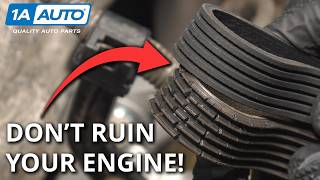
- Visible Wear and Damage: A visual inspection is crucial. Look for cracks, fraying, glazing (a shiny, smooth surface on the belt's sides), or missing chunks of rubber. Any visible damage means the belt needs immediate replacement. 🎬 Watch this video to see visual signs of belt failure.
- Overheating Engine: If the belt breaks or is too loose to turn the water pump effectively, the engine will quickly overheat. This can cause severe engine damage like a warped cylinder head.
- Battery Warning Light: A slipping or broken belt will fail to turn the generator, preventing the battery from charging. This will cause the battery or generator warning light to illuminate on your dashboard.
Choosing the Right Aftermarket Belt
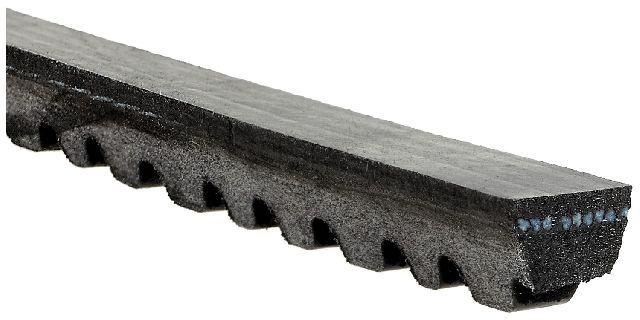
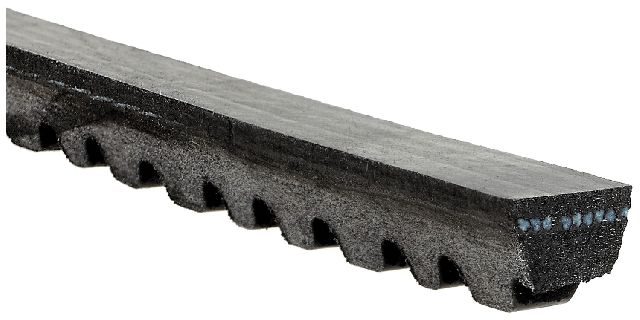
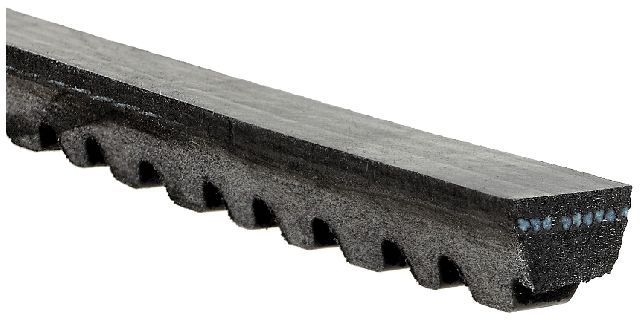
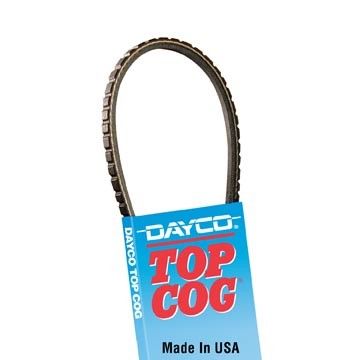
Original Studebaker belts are no longer produced. While you might find a New Old Stock (NOS) belt from a specialty vendor, a 60-year-old rubber part is not a reliable choice for a vehicle you intend to drive. Modern aftermarket belts are made with superior synthetic rubber compounds that resist heat, oil, and cracking far better than the originals.
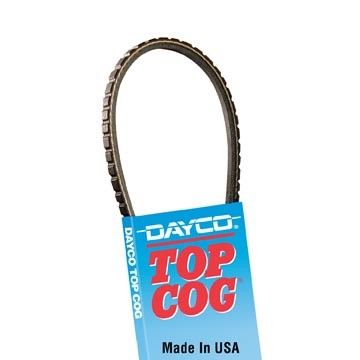
For your Studebaker 8E7D, reputable aftermarket brands like Gates, Dayco, and Continental are all excellent choices that meet or exceed original factory specifications. These brands are well-regarded by mechanics and classic car owners for their quality and durability. There is little practical difference in quality between these top-tier brands for a vintage application like this, so choosing based on availability and price is a sound strategy.
The Biggest Challenge: Finding the Right Size
The most common mistake when ordering a belt for a vintage Studebaker is getting the wrong length. The 8E7D model came with either a 4.2L (259ci) or 4.7L (289ci) V8 engine, and options like air conditioning change the required belt length. Always confirm your truck's specific engine and accessory configuration before ordering. If possible, measuring your old belt's outside circumference is the most reliable way to ensure you purchase the correct replacement.
Cost of Replacing Your Accessory Drive Belt
Replacing the V-belt on a Studebaker 8E7D is an affordable and straightforward job. The part itself is inexpensive, and the labor is minimal for a professional mechanic or an experienced DIYer.
| Item | Estimated Cost |
|---|---|
| New Aftermarket Accessory Drive Belt | $7.35 - $39.20 |
| Shop Labor | $50 - $100 |
| Total Estimated Cost | $57 - $139 |
Pro Tip: Check Your Pulleys
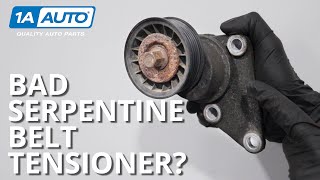
With the old belt removed, take a moment to inspect the pulleys for the water pump, generator, and any idlers. Spin each pulley by hand. They should spin freely without noise or wobble. A noisy or loose pulley indicates a failing bearing, which can damage your new belt. 🎬 Learn how to diagnose a loose or stuck belt tensioner. Replacing a worn pulley at the same time as the belt is a smart preventative measure.
Frequently Asked Questions (FAQ)
Is it difficult to replace the accessory drive belt myself?
No, this is a very DIY-friendly job on a 1960s Studebaker truck. The process involves loosening the mounting and adjustment bolts on the generator, pivoting it to release belt tension, swapping the belt, and then using a lever to apply proper tension while tightening the bolts. It requires only basic hand tools and can typically be completed in under an hour.
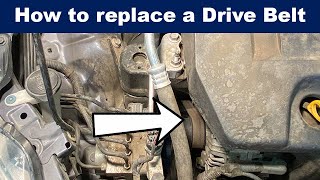
🎬 See a step-by-step guide on how to replace a belt.How do I know if my belt has the right tension?
On a V-belt system like this, a good rule of thumb is that the belt should have about a half-inch of deflection when you press on it firmly at the longest point between pulleys. Another method is to twist the belt; you should not be able to twist it more than a half-turn. A belt that is too loose will slip and squeal, while a belt that is too tight can cause premature wear on the bearings in your generator and water pump.
Are there any recalls for the accessory drive belt on my Studebaker?
No, there are no recalls or Technical Service Bulletins (TSBs) from the National Highway Traffic Safety Administration (NHTSA) related to the accessory drive belts for 1963-1964 Studebaker trucks. Issues with the belt are almost always due to normal wear and tear, age, or improper tension.
How often should I replace the belt?
Unlike modern cars, there isn't a strict mileage interval for these older V-belts. The best practice is to inspect the belt regularly (at every oil change) for signs of cracking, fraying, or glazing. Due to the low cost of the part, it's wise to replace it proactively every few years or at the first sign of wear to prevent being stranded.
Helpful Videos
Technical Specifications
The 1963-1964 Studebaker 8E7D uses a V-belt design. Belt length varies based on engine (4.2L/259ci or 4.7L/289ci V8) and accessories like air conditioning. Common aftermarket belts meet SAE J636 and J637 standards.
We Have This Part in Stock

The information in this article is provided for general reference and educational purposes only. Vehicle specifications, procedures, and part compatibility can vary by production date, trim level, and region. Always consult your vehicle's factory service manual and verify part numbers before purchasing or performing repairs. Safety-critical components such as airbags, seat belts, and braking systems should be installed by a qualified professional.