

Ford Sprint Suspension Stabilizer Bar Link Kit Replacement Guide (1963-1964)
Address front-end clunking and restore handling in your classic 1963-1964 Ford Sprint.
- A clunking noise from the front suspension when driving over bumps is the most common sign of a failed stabilizer link.
- This is a simple, DIY-friendly repair that can be done with basic hand tools in 1-2 hours.
- Always replace stabilizer links in pairs (left and right) to ensure balanced handling and safety.
- No recalls or specific TSBs are active for this part on a 1963-64 Sprint; failure is due to normal aging.
Signs of a Failing Stabilizer Link Kit
When stabilizer links wear out, the symptoms are usually easy to notice. Because this is a simple mechanical part, the signs of failure are consistent across most vehicles, including your classic Sprint.
The Number One Symptom: Clunking Noises
The most common sign of a bad sway bar link is a clunking, knocking, or rattling sound from the front suspension. You will hear this most when driving at lower speeds over bumps, potholes, or uneven driveways. The noise comes from the worn components moving around excessively.
- Excessive Body Roll: Your Sprint may lean or sway more than usual when you take a turn. The car can feel "floaty" or less stable.
- Loose or Vague Steering: Worn links can cause a loose or unresponsive feeling in the steering wheel, especially during turns.
- Visible Damage: If you look behind the front wheels, you may see that the rubber bushings on the links are cracked, deteriorated, or missing entirely. In some cases, the link itself might be bent or appear loose.
Choosing the Right Aftermarket Link Kit
For a vintage vehicle like the 1963-1964 Sprint, finding new original equipment (OEM) parts from Ford is not a realistic option. The aftermarket is the primary source for these replacement parts. Fortunately, the simple design of these links means that quality aftermarket parts are readily available and perform well. The key is to choose a brand based on your budget and how you use your car.
| Brand Tier | Brands | Characteristics & Best For |
|---|---|---|
| Premium / Heavy-Duty | Moog, Mevotech (Supreme line) | These brands are well-regarded in the aftermarket. They often feature designs that are beefier than the original parts and may include grease fittings for longer service life. Moog has a long-standing reputation, while Mevotech's premium offerings are also considered high-quality. Choose these for maximum durability, especially if you drive your Sprint regularly. |
| Standard Replacement | Mevotech (Original Grade), QuickSteer | These brands provide a reliable, budget-friendly option that meets original specifications. QuickSteer is generally considered a standard replacement part, offering a balance of value and quality for a daily driver or a car that sees infrequent use. These are a cost-effective choice for a standard repair. |
Always Replace in Pairs
It is critical to replace both the left and right stabilizer links at the same time. Replacing only one side can cause unbalanced handling and puts extra stress on both the new part and the older part on the opposite side, causing it to fail sooner.
Known Issues, Recalls, and Service Bulletins
For the 1963-1964 Ford Falcon and Sprint, there are no active recalls or common Technical Service Bulletins (TSBs) issued by the NHTSA specifically for the suspension stabilizer bar link kit. This is not unusual for a vehicle of this age and for a simple wear-and-tear component. Failures are typically due to age, mileage, and the deterioration of the rubber bushings over many decades.
Frequently Asked Questions (FAQ)
Is replacing the stabilizer link kit a difficult job?
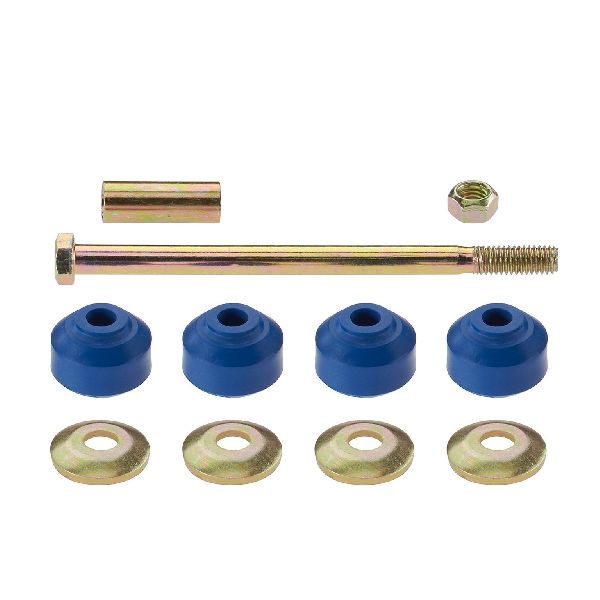
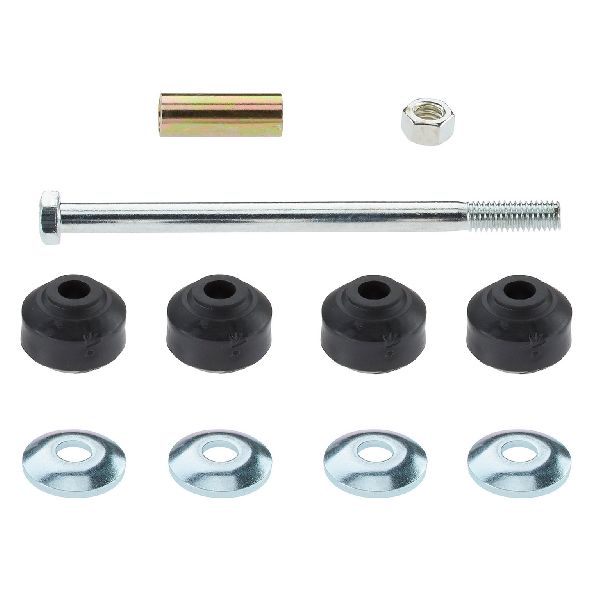
No, this is considered a very easy and DIY-friendly job for a 1963-1964 Sprint. The link kit uses a simple design of bolts, rubber bushings, washers, and spacers. It typically requires only basic hand tools and can be done in about 30-60 minutes per side.
Do I need a wheel alignment after replacing the stabilizer links?
No, a wheel alignment is not required after replacing the stabilizer bar links. This part does not affect the car's alignment angles (caster, camber, or toe).
How do I know if my Sprint has a front stabilizer bar?
While the V8-equipped Sprint models came standard with a front stabilizer bar, some base model Falcons did not. The easiest way to check is to look behind your front wheels. You should see a long steel bar running across the width of the car, connected near the wheels to the lower control arms by a short link—that's the stabilizer bar and its link.
Should I choose rubber or polyurethane bushings for my links?
Most standard aftermarket kits come with rubber bushings, which provide a ride quality similar to the original factory feel, absorbing vibrations well. Performance-oriented kits may use polyurethane bushings, which are much stiffer. Polyurethane improves handling response but can make the ride feel firmer and may transmit more road noise. For most owners, a quality rubber bushing kit is the best choice for maintaining the classic ride characteristics.
Technical Specifications
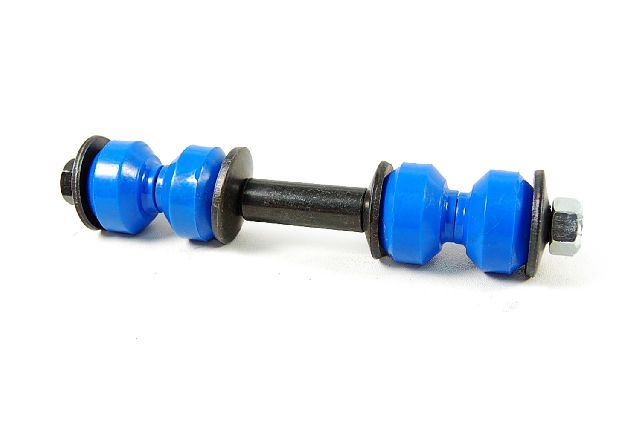
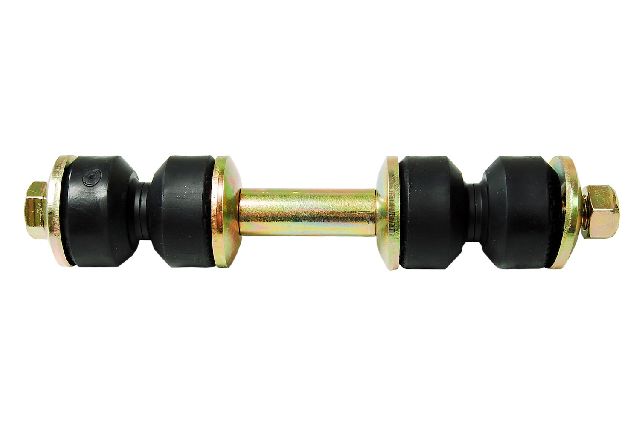
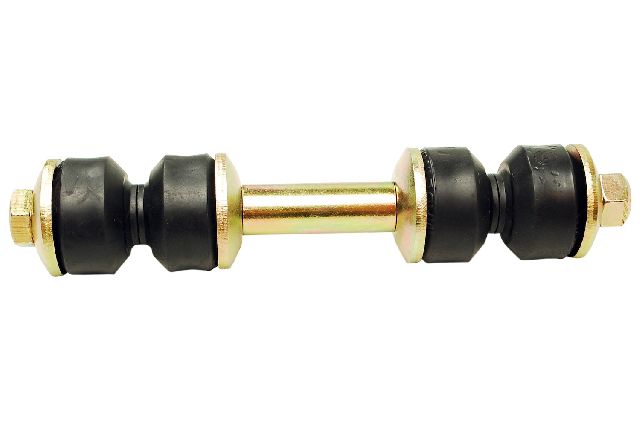
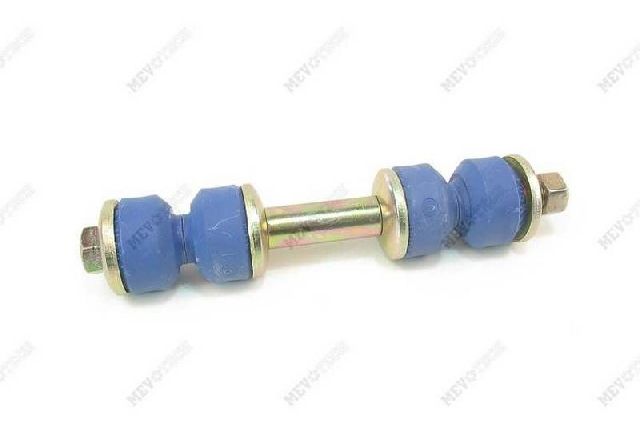
The 1963-1964 Ford Sprint uses a simple, non-ball joint style stabilizer link kit consisting of bolts, washers, spacers, and rubber bushings to connect the front stabilizer bar to the lower control arms.
We Have This Part in Stock

The information in this article is provided for general reference and educational purposes only. Vehicle specifications, procedures, and part compatibility can vary by production date, trim level, and region. Always consult your vehicle's factory service manual and verify part numbers before purchasing or performing repairs. Safety-critical components such as airbags, seat belts, and braking systems should be installed by a qualified professional.