

Your 1963-1964 Dodge 330 Engine Oil Pressure Switch: An Owner's Guide
That flickering oil light on your dash might be an easy fix—here's what you need to know about this critical little sensor.
- A flickering oil light is a classic symptom of a bad switch, but you must always check the oil level first to rule out a real pressure problem.
- Do not drive your car if the oil light is on, as you can't be sure if it's a bad sensor or a critical engine issue that could cause severe damage.
- For this vehicle, aftermarket is the most realistic option. Quality can be inconsistent, so test the new switch's operation after installation.
- This is a very simple and inexpensive DIY repair that requires basic hand tools and typically takes less than 30 minutes.
Is Your Dodge 330 Oil Pressure Switch Failing?
For a straightforward part, a bad oil pressure switch can cause some confusing symptoms. Because these switches are exposed to engine heat and vibration, they are a common failure point on classic cars. Watch for these signs:
- Flickering Oil Light: The most common symptom is an oil light that flickers, especially at idle or when the engine is hot. As you increase RPM, the light may go out. This often points to a faulty switch rather than an actual pressure problem.
- Oil Light Stays On: If you've checked your oil level and it's full, but the light stays on, the switch may be stuck in the 'on' position.
- Incorrect Gauge Readings: If your 330 has an optional oil pressure gauge instead of a light, a bad sending unit can cause the needle to read zero, max out, or jump around erratically.
- Oil Leaks: The switch itself can fail, leaking oil from its body or the seal where it screws into the engine block.
First, Check Your Oil
Before assuming the switch is bad, always check your engine oil level with the dipstick. A flickering or solid oil light is the universal signal for low oil level or low oil pressure. Driving with low oil pressure can quickly destroy your engine. Do not start the engine again until you confirm it has the proper amount of oil.
Choosing the Right Aftermarket Switch
Finding a new-old-stock (NOS) Mopar part for a 1963-64 Dodge is difficult and often expensive. For a simple switch, a new aftermarket part is the most common and affordable choice. However, quality can vary.
Aftermarket brands for your Dodge 330 fall into a few tiers:
- Established Brands (Standard, Rostra): Brands like Standard Ignition (SMP) and Rostra have been making automotive electronics for a long time. They are generally considered a standard replacement-grade part. However, be aware that even with known brands, modern manufacturing can have quality control issues. One Mopar forum member reported going through three faulty new Standard Ignition switches before an NOS part solved his problem.
- Value Brands (Global Parts, Store Brands): These are often the most affordable option. These companies typically source parts from various manufacturers and put their own name on the box. The quality can be a hit or miss, but for a simple switch, they can be an acceptable budget-friendly choice.
Pro Tip: Test Before You Trust
Because aftermarket quality can be inconsistent, it's wise to test the switch's function. With the engine off, the oil light should come on when you turn the key to the 'On' position. After starting the engine, the light should go out immediately. If it doesn't behave this way, you may have received a faulty switch.
Typical Replacement Costs
Replacing the oil pressure switch is an inexpensive repair, especially if you do it yourself. The part itself is affordable, and labor is minimal.
| Part or Service | Estimated Cost |
|---|---|
| New Aftermarket Switch | $8.97 - $51.15 |
| New Old Stock (NOS) OEM Switch | Varies, often $50+ if available |
| Shop Labor | $50 - $100 (usually a shop's minimum charge) |
Frequently Asked Questions
Where is the oil pressure switch on a 1963-1964 Dodge 330?
On classic Mopar V8 and Slant-6 engines, the oil pressure switch is typically screwed directly into the engine block. Look for a small, one-wire sensor located near the distributor or the oil filter. It can be replaced with a special deep socket or an open-ended wrench.
Is it safe to drive if I think my oil pressure switch is bad?
No. You cannot be certain if the warning light is due to a faulty switch or a real, catastrophic loss of oil pressure. Always stop the vehicle immediately and investigate. Driving without oil pressure can ruin an engine in minutes.
How do I know if it's the switch or a real oil pressure problem?
A flickering light that changes with RPM is a strong indicator of a bad switch. However, the only way to be 100% sure is to temporarily replace the switch with a mechanical oil pressure gauge. This tool will give you a true reading of the engine's oil pressure. If the pressure is good, the switch is bad. If the pressure is low, you have a more serious internal engine problem.
What's the difference between an oil pressure 'switch' and a 'sender'?
A 'switch' is for a warning light. It's a simple on/off device. A 'sender' or 'sending unit' is for a gauge. It's a variable resistor that sends a changing signal to the dashboard gauge to show the exact pressure. Your Dodge 330 likely has a switch for an 'idiot light', but some higher-trim models may have had a gauge and sender.
Technical Specifications
OEM Part Numbers: 3488646
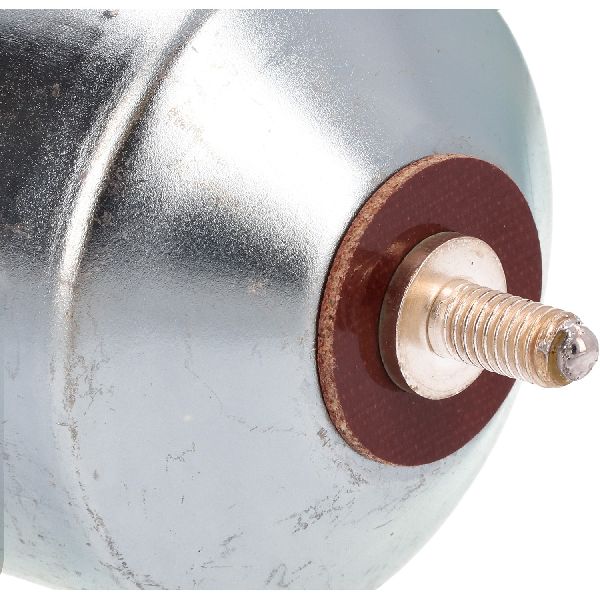
This part is a normally-closed pressure switch designed for a warning light system, not a variable sender for a pressure gauge.
We Have This Part in Stock


The information in this article is provided for general reference and educational purposes only. Vehicle specifications, procedures, and part compatibility can vary by production date, trim level, and region. Always consult your vehicle's factory service manual and verify part numbers before purchasing or performing repairs. Safety-critical components such as airbags, seat belts, and braking systems should be installed by a qualified professional.