

Engine Coolant Bypass Hose Guide for the 1963-1964 Dodge 330
Keep your classic Mopar V8 running cool and prevent serious engine damage by understanding this critical cooling system component.
- The bypass hose is essential for proper engine warm-up on your Dodge 330's V8, preventing hot spots.
- A failed hose will cause coolant leaks and can lead to critical engine overheating; do not drive if you suspect a leak.
- Both Dayco and Gates are reliable aftermarket brands; prioritize a pre-molded hose with the correct shape for a perfect fit.
- While replacing the bypass hose, it is cost-effective to also replace the radiator hoses, heater hoses, and thermostat.
Signs of a Failing Coolant Bypass Hose
On a classic car like the Dodge 330, rubber components are exposed to decades of heat and pressure. A failing bypass hose is a common issue that can lead to major engine trouble if ignored. Watch for these symptoms:
- Coolant Leaks: This is the most common sign. You may find puddles of green or orange fluid under the front of the engine. The leak can start as a slow drip and worsen over time.
- Sweet Smell: Engine coolant has a distinct sweet odor. If you smell this coming from your engine bay, you likely have a leak even if you can't see it.
- Engine Overheating: A significant leak from a burst hose will cause a rapid loss of coolant. This will make the temperature gauge climb into the red, risking severe engine damage like warped cylinder heads.
- Visible Hose Damage: Inspect the hose itself. If it appears swollen, cracked, hardened, or feels spongy when you squeeze it, it needs to be replaced immediately.
Choosing the Right Aftermarket Bypass Hose
Since Original Equipment Manufacturer (OEM) parts for the 1963-1964 Dodge 330 are long discontinued, you will be choosing from new aftermarket brands. For a part like a coolant hose, aftermarket quality is generally very good and reliable.
Brand Tiers: Dayco vs. Gates
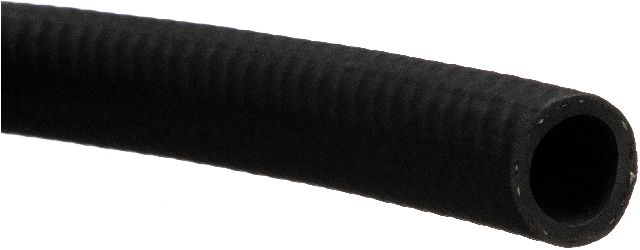
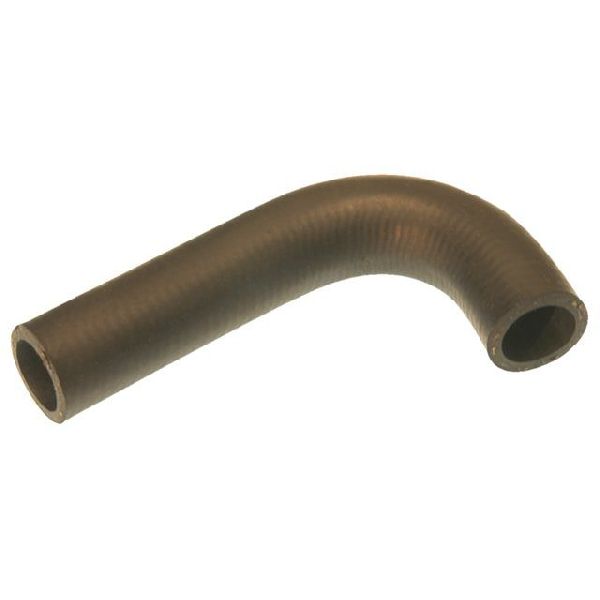
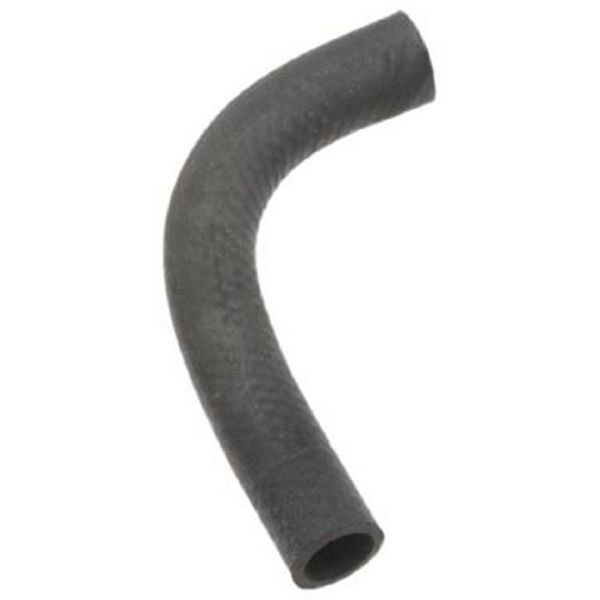
Both Dayco and Gates are well-respected manufacturers of aftermarket cooling system parts. Forum discussions among car enthusiasts show mixed preferences, but both are considered reliable choices. Some users feel Dayco hoses are thicker, while others prefer the fitment of Gates hoses. The most critical factor is not the brand, but ensuring you get a pre-molded hose that matches the exact shape of the original. Using a straight piece of hose is not recommended, as it can kink and restrict coolant flow.
Aftermarket Brand Comparison
| Brand | General Reputation | Common Feedback |
|---|---|---|
| Dayco | Good quality, widely available. | Often described as being thicker-walled. Some users report good fitment. |
| Gates | Excellent quality, often considered a top-tier aftermarket brand. | Praised for proper fit and form. Some believe Gates has superior cataloging and material quality. |
Pro Tip: When replacing the bypass hose, it's a smart and inexpensive measure to replace the hose clamps as well. Over time, old clamps can lose their tension and fail to create a proper seal.
Frequently Asked Questions (FAQ)
Is it safe to drive with a leaking coolant bypass hose?
No. Driving with any coolant leak is risky. A small leak can quickly become a large one, leading to rapid coolant loss, engine overheating, and catastrophic engine damage. It is strongly recommended not to drive the vehicle until the hose is replaced.
Were there any recalls for the 1963-1964 Dodge 330 bypass hose?
No. Searches of the National Highway Traffic Safety Administration (NHTSA) database show no recalls or technical service bulletins (TSBs) for this specific part. Any failures today are due to the age and normal wear of the rubber hose.
How difficult is it to replace the bypass hose on a Dodge 330?
For someone with basic mechanical skills, this is a relatively easy job. Access to the hose on these classic V8 engines is generally good. The process involves partially draining the cooling system, removing the clamps, swapping the hose, refilling with coolant, and checking for leaks.
Should I replace any other parts at the same time?
Yes. Since you are already draining the coolant, it is highly recommended to inspect and replace other cooling system wear items. This includes the upper and lower radiator hoses, heater hoses, and the thermostat. This preventative maintenance can save you from future breakdowns.
Technical Specifications
Varies by engine (Slant-6, 318, 361, 383, 426 V8). Must be a pre-molded hose, not a straight section. Material is typically EPDM rubber engineered to resist heat and electrochemical degradation.
We Have This Part in Stock

The information in this article is provided for general reference and educational purposes only. Vehicle specifications, procedures, and part compatibility can vary by production date, trim level, and region. Always consult your vehicle's factory service manual and verify part numbers before purchasing or performing repairs. Safety-critical components such as airbags, seat belts, and braking systems should be installed by a qualified professional.