

Jeep CJ6 Ignition Switch: A Guide for 1962-1975 Models
Everything you need to know before buying a new aftermarket ignition switch for your classic Jeep CJ6.
- A failing ignition switch can cause a no-start condition, stalling, or intermittent electrical problems.
- Before replacing the switch, always check the battery, terminals, and starter solenoid connections first.
- Aftermarket brands like Standard Ignition are a reliable choice for this vintage Jeep, as OEM parts are unavailable.
- Replacement is a common DIY job for CJ6 owners and can often be completed in about an hour.
Is Your Ignition Switch Failing?
An ignition switch problem on a CJ6 can mimic other issues, like a dead battery or a bad starter. Before replacing parts, it's important to recognize the specific signs of a failing switch. A complete failure will leave you stranded, so addressing these symptoms early is key.
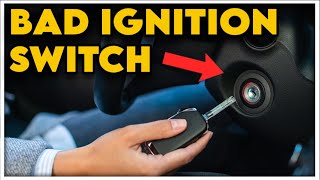
🎬 Watch this video to see common symptoms of a failing switch.Common Symptoms of a Bad Ignition Switch:
- No Crank, No Start: You turn the key and get nothing—no clicking, no cranking. The electrical contacts inside the switch have worn out and are no longer sending power to the starter.
- Engine Starts, Then Immediately Stalls: The engine might fire up when the key is in the 'Start' position but die as soon as you release it to the 'Run' position. This indicates the switch isn't maintaining power to the ignition system.
- Intermittent Stalling While Driving: A worn switch can lose connection over bumps or during turns, cutting power to the engine. This is a serious safety issue.
- Key is Hard to Turn or Feels 'Gritty': The mechanical part of the switch or the lock cylinder it connects to may be worn or binding.
- Accessories Don't Work: If your radio or other accessories only work in certain key positions or not at all, the switch may be at fault.
Pro Tip: Check Other Components First
Before blaming the ignition switch, make sure your battery is fully charged and the terminals are clean. Also, check the connections at the starter solenoid. On these older Jeeps, simple electrical connection issues are common. A common test is to bypass the switch by running a jumper wire to the starter solenoid; if the engine cranks, the ignition switch is a likely culprit.
Choosing the Right Aftermarket Ignition Switch
For a vintage vehicle like the 1962-1975 CJ6, new original equipment manufacturer (OEM) parts are generally not available. The market consists of New Old Stock (NOS), which is rare and expensive, and aftermarket parts. Aftermarket is the standard, reliable choice for these Jeeps. Here’s a breakdown of the available brands.
Brand Quality Tiers
Tier 1: Standard Ignition (Standard Motor Products)
Often considered an OE-quality equivalent for classic vehicles, Standard Motor Products (SMP) has a long-standing reputation for producing reliable electrical components that meet or exceed original specifications. For a critical part like an ignition switch, this brand is a trusted choice for durability and proper function.Tier 2: Rostra Powertrain
Rostra is a known manufacturer in the automotive aftermarket, producing a wide range of electrical and powertrain components. While not as specialized in ignition parts as SMP, their products are a solid mid-tier option that offers a balance of quality and value.Tier 3: Replacement / Store Brands
This category includes various value-oriented brands. These switches are the most affordable and will get the job done. They are a practical choice for a budget repair, but may not offer the same long-term durability or precise feel as higher-tier brands.
A Note on Part Variations
The 1962-1975 year range saw changes in Jeep's electrical systems. Some ignition switches use threaded studs while others use different connectors. Always verify the specific part for your exact year and model before ordering to avoid installation problems. There are distinct part numbers for early and later models within this range.
Cost of Replacing a Jeep CJ6 Ignition Switch
The cost to replace the ignition switch is very reasonable, especially if you do the work yourself. The job is straightforward for most DIY mechanics.
| Part or Service | Estimated Cost |
|---|---|
| New Aftermarket Ignition Switch | $20.77 - $52.32 |
| Shop Labor | $100 - $200 |
| Total Professional Replacement | $121 - $253 |
Frequently Asked Questions
Is replacing the ignition switch a DIY job on a CJ6?
Yes, for most owners with basic mechanical skills. The ignition switch is typically located on the steering column under the dash or directly behind the key in the dash itself, depending on the year. Access can be tight, and you may need to be a bit of a contortionist, but it usually only requires basic hand tools. Some forum users report being able to do it in under an hour.
What's the difference between the ignition switch and the lock cylinder?
The lock cylinder is the mechanical part you put your key into. The ignition switch is the electrical component that the lock cylinder operates. Sometimes the lock cylinder is the problem (e.g., a stuck key), and sometimes it's the electrical switch. They are often replaced together but can be purchased separately.
Were there any recalls for the CJ6 ignition switch?
No official recalls or Technical Service Bulletins (TSBs) were found for the 1962-1975 Jeep CJ6 ignition switch. Searches on the NHTSA database and for general TSBs did not yield any results for this specific vehicle and part. Recalls for ignition switches on much newer Jeep models (like the Grand Cherokee) do exist but are not relevant to the CJ6.
Can I just bypass the ignition switch?
You can bypass the switch to test it or to start the engine in an emergency, but it is not a permanent solution. A bypassed switch can be a safety hazard and leaves your vehicle unsecured and easy to steal. It's best to replace the faulty part correctly.
Helpful Videos
Technical Specifications
OEM Part Numbers: J0924918 US-69 US-100 US-105
Varies by year. Early models often use a dash-mounted switch with 10 terminals and a chrome bezel. Later models may have a column-mounted switch. Always verify connector type (e.g., threaded studs) and terminal count before purchase.
We Have This Part in Stock


The information in this article is provided for general reference and educational purposes only. Vehicle specifications, procedures, and part compatibility can vary by production date, trim level, and region. Always consult your vehicle's factory service manual and verify part numbers before purchasing or performing repairs. Safety-critical components such as airbags, seat belts, and braking systems should be installed by a qualified professional.