

1962-1970 Buick Wildcat Distributor Cap Replacement and Diagnosis
Keep your Wildcat's V8 running strong by learning to spot, diagnose, and replace a failing distributor cap.
- A bad cap causes misfires, hard starting, stalling, and shaking; visual inspection for cracks and corrosion is the best diagnostic.
- This is an easy DIY job; transfer spark plug wires one-by-one to the new cap to maintain the correct firing order.
- Always replace the distributor rotor at the same time as the cap for a complete repair.
- Choose a quality aftermarket cap with brass terminals, like those from Standard Ignition, for better durability and performance.
Signs of a Failing Distributor Cap
A distributor cap is a maintenance item that wears out over time. The plastic body is exposed to intense heat and can develop cracks, while the metal terminals inside can corrode or build up carbon deposits. When this happens, the spark can weaken or go to the wrong cylinder, leading to noticeable engine problems.
Common symptoms include:
- Engine Misfires: The engine may stumble, shake, or run unevenly. This is often most noticeable when idling or trying to accelerate.
- Hard Starting: Your Wildcat may take longer than usual to start, or it might crank but refuse to fire up at all. This can be worse in cold or damp weather.
- Stalling and Backfiring: The engine might cut out unexpectedly while driving or idling. You may also hear popping sounds from the exhaust.
- Vehicle Shaking: A bad cap can disrupt the engine's timing, causing a distinct vibration that you can feel throughout the car.
Visual Inspection is Key
The best way to diagnose a bad cap is to look at it. Remove the cap (it's usually held on by two clips or screws) and inspect the inside and outside. Look for cracks in the plastic, moisture, white chalky residue (corrosion), or thin black lines that look like pencil marks between the terminals (carbon tracking). If you see any of these, it's time for a replacement.
Choosing the Right Aftermarket Cap
For a classic vehicle like the 1962-1970 Wildcat, new OEM (Original Equipment Manufacturer) parts are generally not available. The market consists of aftermarket brands. Quality can vary, but focusing on a few key features will ensure you get a reliable part.
- Terminal Material: Aftermarket caps come with either aluminum or brass terminals. Brass is a better conductor and is more resistant to corrosion. For the small price difference, a cap with brass terminals is a smart investment for reliability and performance.
- Brand Reputation: Brands like Standard Ignition (Standard Motor Products) are well-regarded in the classic car community for producing quality ignition components. They often offer multiple product lines; their premium lines are known for good materials and construction. While Walker Products is another available brand, Standard has a more established reputation for ignition parts in classic car forums.
Typical Replacement Costs
Replacing the distributor cap is an affordable job, whether you do it yourself or take it to a shop. The part itself is inexpensive, and the labor is minimal.
| Part or Service | Estimated Cost |
|---|---|
| New Aftermarket Distributor Cap | $24.44 - $34.65 |
| Shop Labor | $60 - $100 |
| Total Estimated Cost | $84 - $135 |
No Recalls or Specific TSBs
Searches of the National Highway Traffic Safety Administration (NHTSA) database show no safety recalls for the ignition system on the 1962-1970 Buick Wildcat. Any failures are due to the age and normal wear of the part. The major GM ignition recalls of recent years do not apply to these vehicles.
Frequently Asked Questions (FAQ)
Do I have to replace the distributor rotor at the same time?
Yes, it is highly recommended. The rotor is the spinning part inside the cap that actually distributes the spark. It wears out just like the cap does. Replacing both at the same time is standard practice for a proper tune-up and ensures the ignition system is fully refreshed.
Is this a difficult job to do myself?
No, this is an excellent job for a beginner. The cap is easy to access and is held on by two clips or screws. The most important step is to transfer the spark plug wires from the old cap to the new one, one at a time, to avoid mixing up the engine's firing order.
What is the most common mistake when ordering?
For many classic cars, ordering a cap for the wrong engine (V6 vs. V8) is a common error. However, since the 1962-1970 Wildcat primarily used V8 engines, this is less of a concern. The key is to ensure you are buying a cap specifically listed for your vehicle's year and engine size.
Can a bad distributor cap cause my car to not start?
Yes, absolutely. A severely cracked, corroded, or moisture-filled cap can prevent the spark from reaching the spark plugs, resulting in an engine that cranks over but will not start.
Technical Specifications
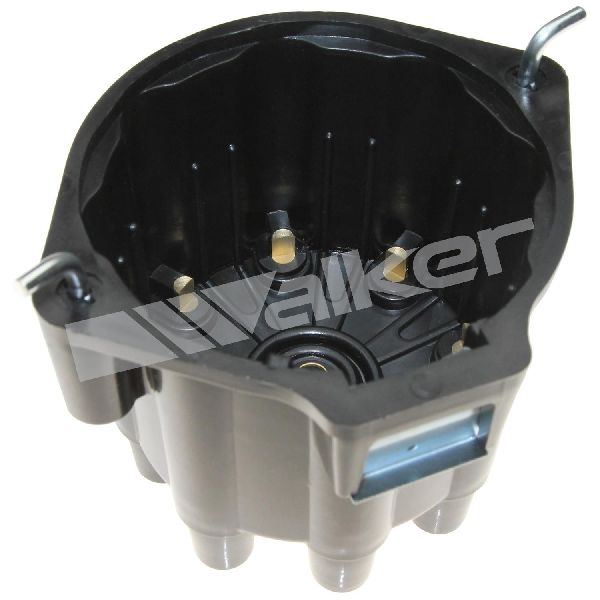
Female/Socket type cap with 8 terminals for V8 engines. Attachment is typically via clips or screws.
We Have This Part in Stock


The information in this article is provided for general reference and educational purposes only. Vehicle specifications, procedures, and part compatibility can vary by production date, trim level, and region. Always consult your vehicle's factory service manual and verify part numbers before purchasing or performing repairs. Safety-critical components such as airbags, seat belts, and braking systems should be installed by a qualified professional.