

Dodge P100 Universal Joint Replacement Guide (1962-1968)
Hearing clunks or feeling vibrations in your Dodge P100? Your U-joints might be the cause.
- Visually inspect your truck to confirm you have standard cross-style U-joints before ordering parts.
- Symptoms like clunking, squeaking, and vibration are serious warnings that should not be ignored to prevent driveshaft failure.
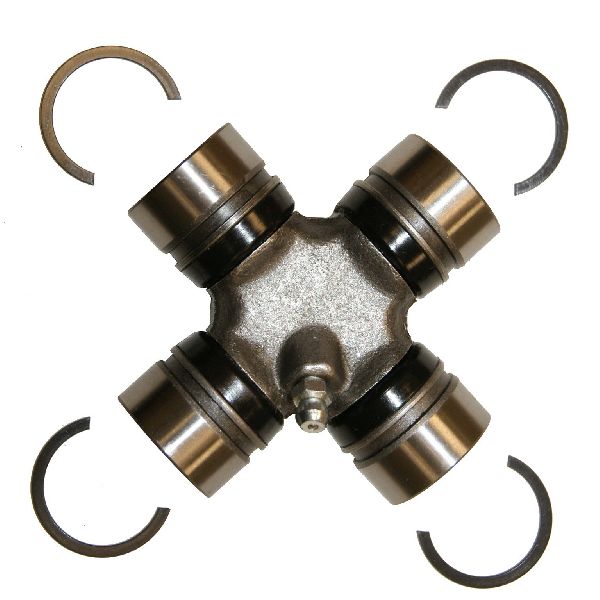
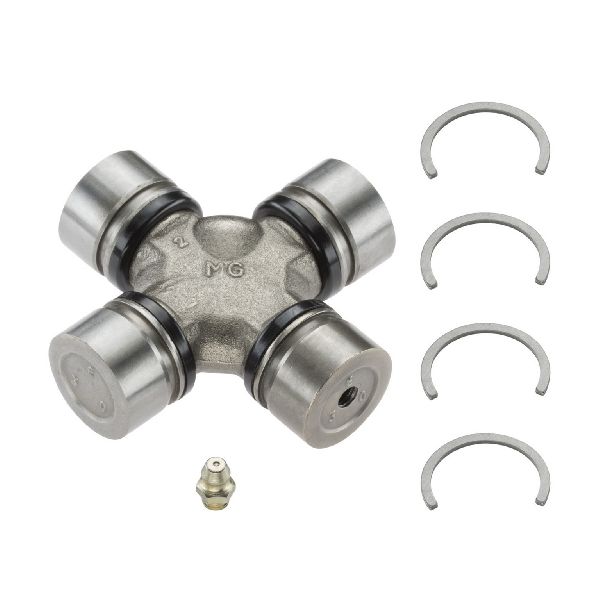
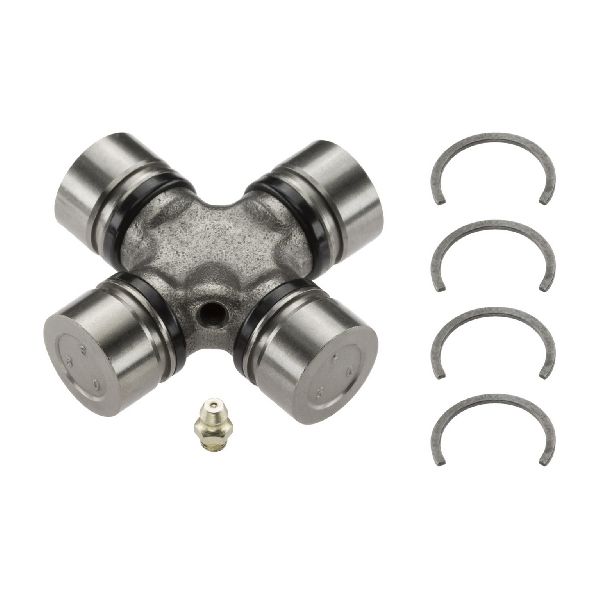
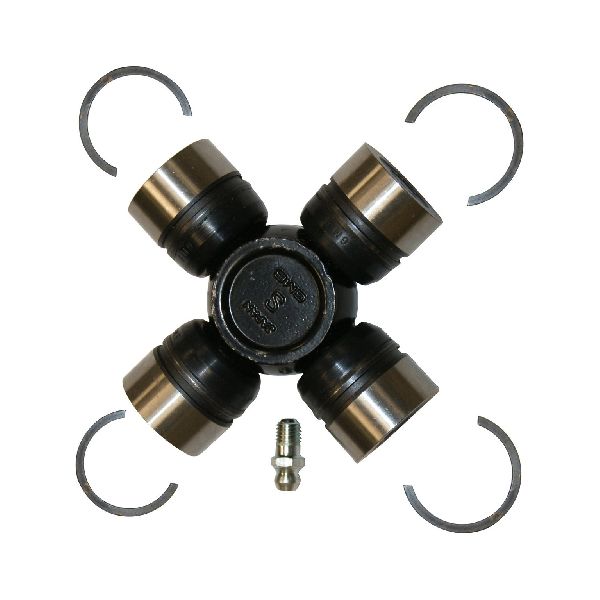
- Both Moog and GMB are solid aftermarket choices; Moog often offers greasable joints while GMB is a reliable standard replacement.
- It is highly recommended to replace all U-joints on the driveshaft at the same time.
Is Your Dodge P100 U-Joint Failing?
A failing U-joint isn't just a noisy annoyance; it's a safety issue. If a U-joint breaks completely, the driveshaft can disconnect from the transmission or rear axle. This can cause you to lose control of the vehicle and result in significant damage to the underside of your truck. Listen and feel for the early warning signs to avoid getting stranded.
Common Failure Symptoms
- Squeaking or Chirping Noise: This is often the first sign. You'll hear a rhythmic squeak at low speeds (5-10 mph) that may go away as you drive faster. This sound is caused by dry, worn-out needle bearings inside the U-joint.
- Loud "Clunk" or "Bang": A sharp clunking sound when you shift from Park into Drive or Reverse is a classic symptom. This indicates there is too much play or looseness in the joint.
- Vibration at Highway Speeds: A vibration that you can feel through the floor or seat is a common complaint. This happens because the worn U-joint throws the driveshaft out of balance. The vibration often gets worse as your speed increases.
- Visible Rust or Grease: If you look under your truck at the driveshaft, you might see reddish-brown dust around the U-joint caps. You may also see grease splattered nearby, which means the seals have failed.
Important: Check Your U-Joint Type
Some early Mopar trucks from this era used a "Ball & Trunnion" style joint at the front of the driveshaft, which looks different from a standard U-joint. Before ordering, get under your truck and visually confirm you have the common cross-style U-joints that aftermarket parts are designed to replace. It's possible a previous owner already converted it to the more modern style.
Choosing the Right Aftermarket U-Joint
For a vehicle like the 1962-1968 P100, new original equipment (OEM) parts from Dodge are no longer available. Aftermarket parts are your only option for new replacements. The two main brands you'll find are Moog and GMB.
Brand Tiers: Moog vs. GMB
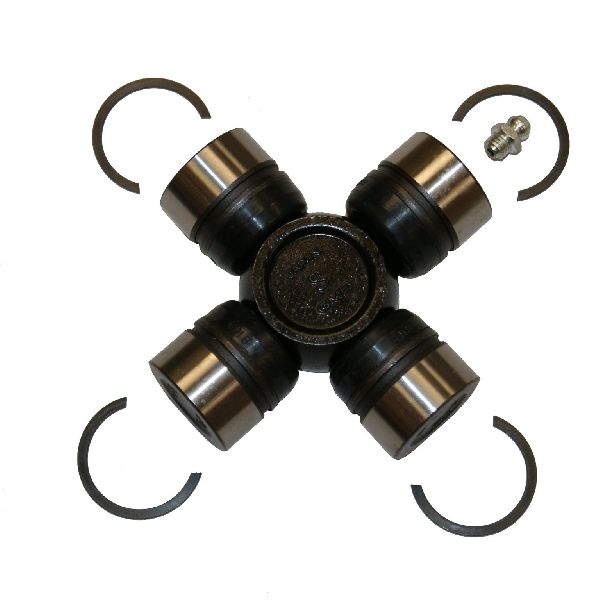
- Moog: Often considered a premium or "problem-solver" brand in the aftermarket world. Moog U-joints frequently include a grease fitting (zerk), which allows you to add fresh grease periodically to extend the part's life. While historically a top choice, some mechanics in online forums have noted that Moog's quality can be inconsistent in recent years.
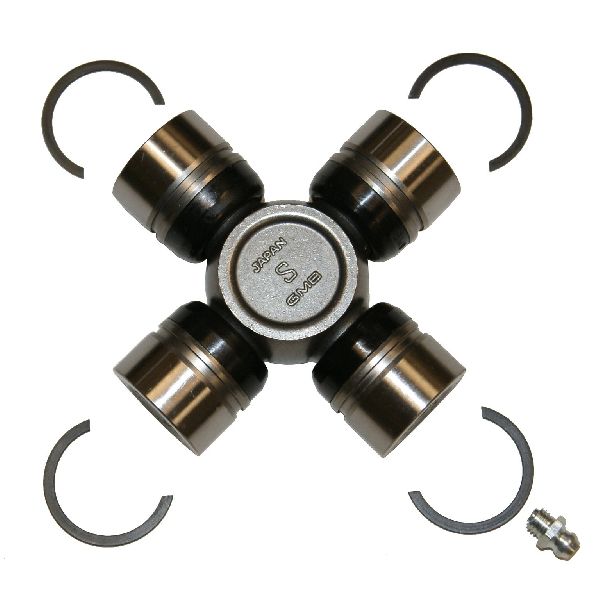
- GMB: Known as a reliable Japanese manufacturer that produces quality parts often viewed as equivalent to original equipment standards. GMB is a popular and dependable choice for many classic trucks and is often more budget-friendly than Moog.
Greasable vs. Sealed: A greasable U-joint (like many from Moog) can last longer if you perform regular maintenance. A sealed, non-greasable joint is fit-and-forget, but its lifespan is finite. For a work truck like the P100, a greasable joint is a good choice if you are comfortable performing the maintenance.
Aftermarket Universal Joint Cost for 1962-1968 Dodge P100
| Part Type | Price Range |
|---|---|
| New Aftermarket (GMB, Moog) | $17.14 - $35.30 |
| Shop Labor for Replacement (per joint) | $150 - $400 |
Prices are estimates and may vary based on location and supplier.
Frequently Asked Questions
How many U-joints does my Dodge P100 have?
Most standard rear-wheel-drive trucks like the P100 have a U-joint at the front and rear of the driveshaft. If your truck has a two-piece driveshaft (common on longer wheelbase models), it will have a third U-joint and a center support bearing.
Can I replace a U-joint myself?
Yes, this is a DIY-friendly job if you have the right tools and are comfortable working under your vehicle safely. You will need jack stands, a good socket set, and either a bench vise, a ball joint press, or a large hammer and sockets to press the old joint out and the new one in. Always mark the driveshaft's orientation before removing it to ensure it goes back in balanced.
Do I need to get my driveshaft balanced after replacing the U-joints?
If you carefully mark the driveshaft and reinstall it in the exact same position, you typically do not need to re-balance it. However, if you still have vibrations after the replacement, the driveshaft may be out of balance or another component could be worn.
Should I replace both U-joints at the same time?
It is highly recommended. If one U-joint has failed due to age and mileage, the other is likely not far behind. Since you will already have the driveshaft removed from the truck, replacing all the joints at once saves you from doing the same job again in the near future.
Technical Specifications
The Dodge P100 may use different U-joint sizes depending on the year and specific drivetrain configuration. Some models may have originally been equipped with a Ball & Trunnion style joint. It is critical to measure your existing U-joint's cap diameter and overall width or match it by part number to ensure you purchase the correct replacement.
We Have This Part in Stock

The information in this article is provided for general reference and educational purposes only. Vehicle specifications, procedures, and part compatibility can vary by production date, trim level, and region. Always consult your vehicle's factory service manual and verify part numbers before purchasing or performing repairs. Safety-critical components such as airbags, seat belts, and braking systems should be installed by a qualified professional.