

A Studebaker Owner's Guide to Accessory Drive Belts for the 1962-1966 Daytona
Learn how to choose the right modern V-belts to keep your classic Studebaker's engine running cool and charging correctly.
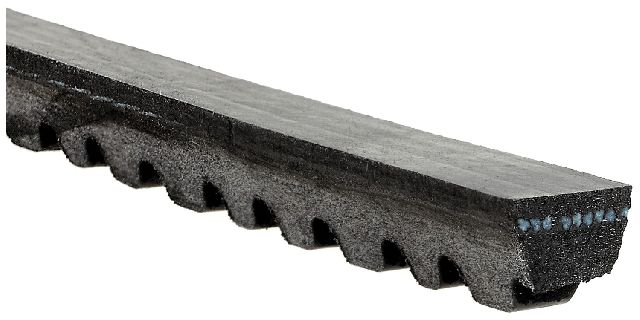
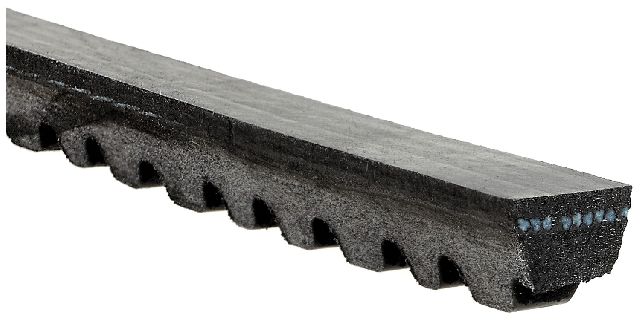
- These are V-belts, not a single serpentine belt; your Daytona may have one, two, or more.
- Modern aftermarket belts from brands like Gates, Dayco, and Continental are superior in material and longevity to original 1960s parts.
- Squealing is a cry for help. The most common cause is improper tension, not a bad belt.
- Always confirm the correct belt length for your car's specific engine (I6/V8) and accessories (power steering or not).
Signs of a Failing Accessory Drive Belt
On a classic car like a Studebaker Daytona, the rubber V-belts are constantly exposed to heat and stress. It's important to inspect them regularly and watch for signs of wear. Ignoring a failing belt can leave you stranded. A broken belt means no water circulation, which will cause the engine to overheat very quickly.
- Squealing Noises: A high-pitched squeal, especially when you start the engine or accelerate, is the most common symptom. This is often caused by a loose belt slipping on the pulleys, but can also be due to fluid contamination or pulley misalignment.
- Visible Damage: Look for cracks, fraying, or missing chunks on the belt. The sides of the belt might also look shiny or 'glazed', which means the rubber has hardened from heat and is no longer gripping properly.
- Accessory Problems: If your 'GEN' or 'ALT' light on the dashboard flickers or stays on, it could mean the belt driving the generator/alternator is slipping or broken. Dimming headlights at idle is another sign. Overheating is a direct result of a failed water pump/fan belt.
Don't Use Belt Dressing
Never spray belt dressing on a noisy belt. It's a temporary fix that can contaminate the belt and pulleys, causing the rubber to swell or degrade and making the problem worse in the long run. The proper solution is to find the root cause of the noise, which is usually improper tension or a worn part.
Choosing the Right Aftermarket Belt
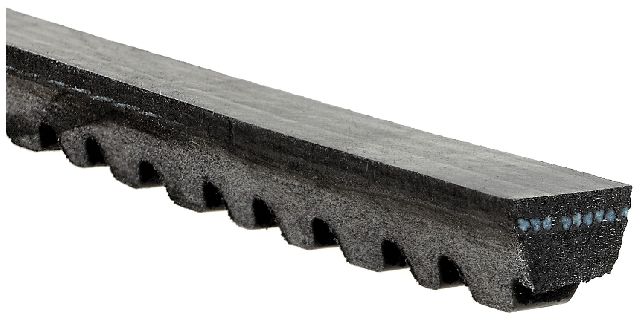
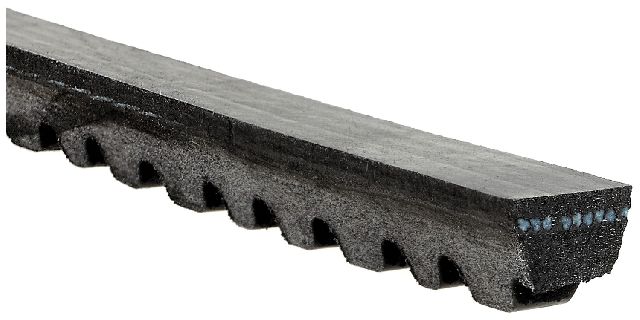
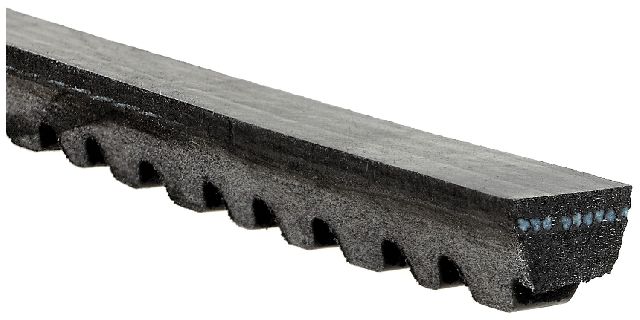
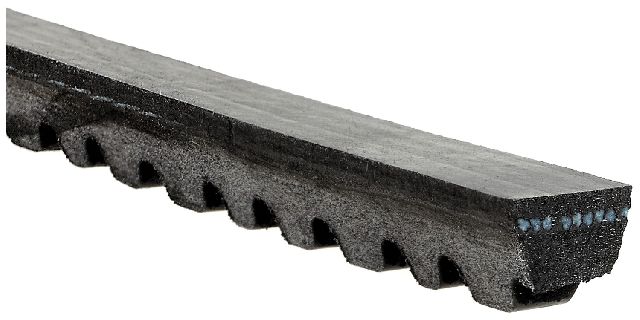
Finding a new-old-stock (NOS) Studebaker belt from the 1960s is highly unlikely and not recommended. Modern aftermarket belts are made from superior EPDM rubber compounds that are more resistant to heat, oil, and ozone damage than the original neoprene belts. This means a new belt from a quality brand will likely last longer than the original ever could. For your Daytona, brands like Gates, Dayco, and Continental are all excellent choices that are widely available.
| Brand Tier | Brands | General Assessment |
|---|---|---|
| Good | Dayco | A well-regarded manufacturer with a long history. They are a supplier to many car manufacturers and offer a reliable, cost-effective V-belt for standard use. Some users note their belts can be stiff when new. |
| Better | Continental | Continental is a massive OEM supplier known for high-quality rubber products. Many mechanics prefer them out of habit and trust their quiet operation and reliability. They are considered a top-tier choice. |
| Best | Gates | Gates is often seen as a benchmark for belts and hoses. They have a reputation for durability and are a go-to for many professional mechanics and restorers. You can't go wrong with a Gates belt. |
Check Your Part Numbers
The 1962-1966 Daytona was available with different engines (6-cylinder and V8s) and accessory combinations (with or without power steering). This means there are many different belt lengths. Always confirm the part number is correct for your specific engine and accessory setup before ordering. Taking your old belts to the parts store to match them up is a great way to ensure you get the right size.
Frequently Asked Questions
How many belts does my Studebaker Daytona have?
It depends on your engine and options. A base model with a 6-cylinder or V8 engine without power steering will typically have one or two belts. If you have power steering, there will be an additional belt. It's best to look under your hood to see what you have.
Is a modern belt really better than the original?
Yes. Modern belts are made of EPDM (ethylene propylene diene monomer) rubber, which is far more durable than the neoprene used in the 1960s. EPDM belts resist cracking from heat and age much better and can last 7-10 years, compared to 6 years for older neoprene belts under ideal conditions.
Why does my new belt squeal?
A new belt that squeals is almost always a sign of another problem, not a faulty belt. The most common cause is incorrect tension—either too loose or too tight. It can also be caused by pulley misalignment or fluid (like oil or antifreeze) that has dripped onto the pulleys.
What's the difference between a generator and an alternator belt?
Early cars in this range (like a '62) often came with a generator, while later models switched to a more efficient alternator. While they do the same job of charging the battery, the physical units and their pulleys can be different sizes, sometimes requiring a different length belt. Always verify which charging system your car has when ordering parts.
Technical Specifications
The 1962-1966 Studebaker Daytona uses a multiple V-belt system. The exact number and size of the belts depend on the engine (inline-6 or V8) and factory options like power steering or air conditioning. Belts are typically made of EPDM rubber. Common aftermarket part numbers are for reference only and must be verified for your specific vehicle; examples include Gates 7550 and Dayco 15400.
We Have This Part in Stock

The information in this article is provided for general reference and educational purposes only. Vehicle specifications, procedures, and part compatibility can vary by production date, trim level, and region. Always consult your vehicle's factory service manual and verify part numbers before purchasing or performing repairs. Safety-critical components such as airbags, seat belts, and braking systems should be installed by a qualified professional.