

Studebaker Cruiser HVAC Heater Hose Guide (1962-1966)
Keep your classic Studebaker's cabin warm by understanding heater hose failure and replacement.
- Heater hoses are a common failure point on classic cars due to age; inspect them regularly for cracks and swelling.
- New aftermarket hoses from brands like Gates often use superior, modern rubber compounds compared to original or NOS parts.
- Always replace heater hoses in pairs and use new hose clamps to prevent future leaks.
- A coolant leak from a heater hose can lead to engine overheating, a critical issue that requires immediate attention.
Understanding Heater Hose Failure in a Classic Studebaker
The rubber hoses in any classic car are prone to failure simply due to age. For a 1962-1966 Studebaker Cruiser, the original hoses are long past their service life. Over decades, the rubber breaks down from constant exposure to engine heat, pressure, and coolant chemicals. This causes the hose to become brittle, crack, swell, or feel spongy. A failure can lead to coolant leaks, which can cause overheating and serious engine damage if not addressed.
Symptoms of a Failing Heater Hose
Look for these common signs that your heater hoses need replacement:
- Visible Cracks or Swelling: Inspect the hoses running from the engine to the firewall. If you see cracks, bulges, or soft spots, replacement is needed immediately.
- Coolant Leaks: Puddles of green, orange, or yellow fluid under your car are a clear sign of a leak. A leak near the firewall often points to the heater hoses or heater core.
- Sweet Smell: The smell of hot antifreeze is a distinct, sweet aroma. If you notice this inside or outside the car, it means coolant is leaking.
- No Cabin Heat: If a hose is completely blocked or has collapsed internally, hot coolant can't reach the heater core, leaving you with no heat.
- Engine Overheating: A significant heater hose leak can lower the coolant level enough to cause the engine to overheat.
Choosing the Right Aftermarket Hose
For a vintage vehicle like the Studebaker Cruiser, finding new-old-stock (NOS) OEM parts is rare and not always ideal. Rubber degrades over time, even on a shelf. A new aftermarket hose from a quality manufacturer is often the best choice, as it will be made with modern, more durable rubber compounds.
Brand Spotlight: Gates
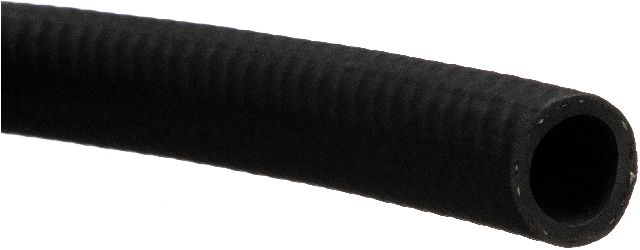
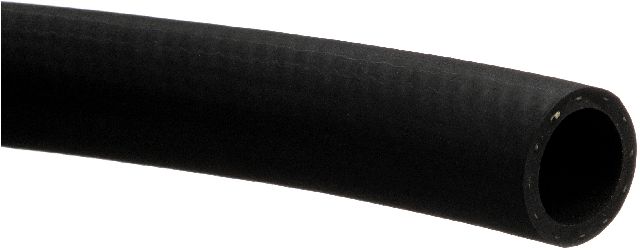
Gates is a well-respected leader in the automotive aftermarket, known for producing high-quality belts and hoses that often meet or exceed original equipment standards. Their hoses are engineered to resist high temperatures, coolant deterioration, and electrochemical degradation, which is a primary cause of hose failure. For a classic like the Cruiser, a molded or universal hose from Gates provides a reliable, long-lasting repair.
Estimated Costs for Replacement
Replacing a heater hose is one of the more affordable repairs you can make. The main cost is the part itself, with labor being minimal for a DIY-er or a professional mechanic.
| Item | Estimated Cost |
|---|---|
| New Aftermarket Heater Hose (Gates) | $81.22 - $93.36 |
| Shop Labor | $100 - $200 |
| Total Professional Replacement | $181.22 - $293.36 |
Pro Tip: Replace in Pairs
Your Cruiser has two heater hoses (an inlet and an outlet). If one has failed due to age, the other is likely not far behind. It is highly recommended to replace both hoses at the same time, along with the hose clamps, to ensure a complete and lasting repair.
Frequently Asked Questions (FAQ)
Are there any recalls for the Studebaker Cruiser heater hose?
No, there are no active recalls or Technical Service Bulletins (TSBs) from the NHTSA related to the HVAC heater hoses for the 1962-1966 Studebaker Cruiser. Any such issues would have been addressed decades ago.
Is replacing a heater hose a good DIY project?
Yes, for most owners with basic tools, this is a straightforward DIY job. It involves draining some coolant, removing the old clamps and hoses, fitting the new ones, and refilling the system. The most important step is ensuring all the air is bled from the cooling system afterward.
Should I use a molded hose or a universal one?
A molded hose is designed to fit the exact bends and curves of your vehicle's layout, preventing kinks. If a direct-fit molded hose is available, it is the preferred choice. If not, a high-quality universal hose can be carefully cut and routed to fit.
What type of coolant should I use in my Studebaker?
For a classic car like the Studebaker Cruiser, it is best to use a conventional "green" ethylene glycol-based coolant. This is the type of antifreeze the engine was originally designed for.
Technical Specifications
For the 1962-1966 Studebaker Cruiser, heater hoses are typically 5/8 inch or 3/4 inch in diameter. It is crucial to measure the inner diameter of your existing hoses or the nipples they connect to before ordering a replacement. Aftermarket hoses from brands like Gates are designed to meet or exceed SAE 20R3 specifications for heat and pressure resistance.
We Have This Part in Stock

The information in this article is provided for general reference and educational purposes only. Vehicle specifications, procedures, and part compatibility can vary by production date, trim level, and region. Always consult your vehicle's factory service manual and verify part numbers before purchasing or performing repairs. Safety-critical components such as airbags, seat belts, and braking systems should be installed by a qualified professional.