

Accessory Drive V-Belt Guide for the 1962-1963 Jeep Tornado
Keep your classic Jeep's Tornado engine running cool and charging properly with the right accessory V-belt.
- Your 1962-1963 Jeep Tornado uses a V-belt system, not a modern serpentine belt, to power the water pump and generator.
- Squealing noises and visible cracks are the primary signs that a belt needs immediate replacement.
- Modern aftermarket brands like Gates and Continental offer excellent quality and durability that often exceeds original 1960s specifications.
- If the belt breaks, the engine will overheat quickly; pull over immediately to prevent severe engine damage.
Understanding the V-Belt System on Your Jeep Tornado
The Jeep 6-230 "Tornado" engine, used from 1962 to 1963, was an advanced overhead-cam design for its time, but it uses a simple and reliable V-belt system. This system uses one or more V-shaped belts, each running in a grooved pulley, to power accessories. This is different from a modern, single, flat serpentine belt. The primary components driven by the belt are the water pump and the generator. Because these belts are made of rubber, they wear out from heat, age, and use, requiring periodic inspection and replacement.
Symptoms of a Failing Accessory Drive Belt
A worn V-belt will almost always provide clear warning signs before it fails completely. Being stranded is preventable if you know what to look and listen for.
- Squealing Noises: This is the most common symptom. A high-pitched squeal, especially when starting the engine or accelerating, is caused by the belt slipping on the pulleys. This can be due to a worn, glazed belt or improper tension.
- Visible Wear or Damage: A visual inspection is easy on these engines. Look for cracks, fraying, missing chunks of rubber, or "glazing," which is a shiny, hardened appearance on the belt's sides. Any of these signs mean the belt should be replaced immediately.
- Overheating Engine: If the belt is too loose or breaks, it cannot turn the water pump. This will cause the engine temperature to rise very quickly. If you see the temperature gauge climb, pull over immediately to prevent catastrophic engine damage.
- "GEN" or Battery Light: A generator or battery warning light on your dashboard indicates that the battery is not being charged. This is often caused by a slipping or broken belt.
Choosing the Right Aftermarket Belt: OEM vs. Aftermarket
Original equipment (OEM) belts for a vehicle from the early 1960s are no longer produced. However, the aftermarket provides high-quality replacements that benefit from decades of material science advancements. Modern belts made from materials like EPDM rubber are more durable and resistant to heat and cracking than the original-style belts your Jeep came with.
Brand Quality Tiers
| Tier | Brands | Our Take |
|---|---|---|
| Premium Aftermarket | Continental, Gates | Both Continental and Gates are top-tier, trusted manufacturers that supply parts to automakers directly. You cannot go wrong with either brand. They produce durable, high-quality V-belts that meet or exceed the original specifications. Choosing between them often comes down to price and availability. |
Cost to Replace a 1962-1963 Jeep Tornado Accessory Drive Belt
| Option | Estimated Cost |
|---|---|
| New Aftermarket Part | $25.65 - $30.28 |
| Shop Labor | $75 - $150 |
Pro Tip: Since the labor to replace one belt is the same as replacing all of them, it is highly recommended to replace all accessory drive belts at the same time.
Frequently Asked Questions (FAQ)
Is replacing the accessory belts a DIY job?
Yes, for most owners with basic hand tools, this is a very feasible DIY job. The V-belt system on the 230 OHC engine is straightforward. It typically involves loosening the bolts on an accessory (like the generator) to create slack, removing the old belt, and installing/tensioning the new one.
How do I know if my new belt is tight enough?
A properly tensioned V-belt should have about a half-inch of deflection when you press on it firmly in the middle of its longest span. A belt that is too loose will slip and squeal, while a belt that is too tight can cause premature wear on the bearings of the water pump and generator.
What's the difference between a V-belt and a serpentine belt?
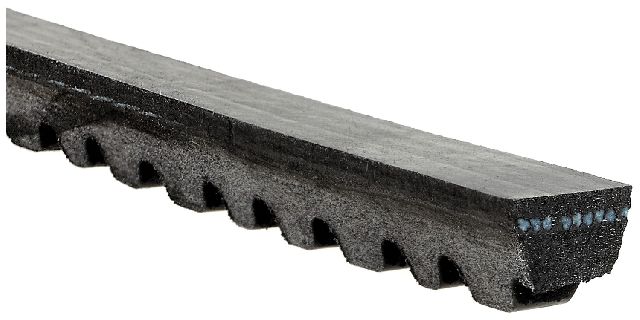
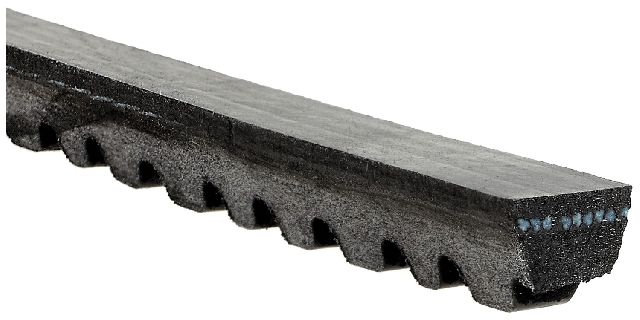
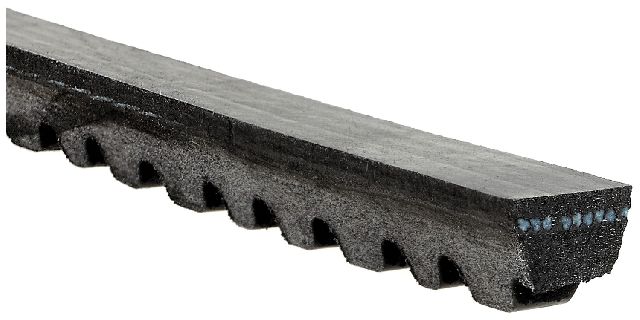
Your Jeep Tornado uses V-belts, which are narrow and have a V-shaped cross-section. Each belt typically drives one or two accessories. Modern cars use a single, wide, flat, ribbed belt called a serpentine belt to power all accessories.
Should I use 'belt dressing' to quiet a squeaky belt?
It is not recommended. Belt dressing is a temporary fix that masks the real problem, which is usually a worn or loose belt. These products can attract dirt and cause the rubber to degrade faster, leading to earlier failure. The correct solution is to properly tension or replace the belt.
Are there any recalls or TSBs for the accessory belts?
No. There are no active recalls or Technical Service Bulletins (TSBs) from Jeep or the NHTSA regarding the accessory drive belts for the 1962-1963 Jeep Tornado. Any issues you encounter will be due to normal wear and tear on these 60-plus-year-old components.
Technical Specifications
Belt Type: V-Belt Material: EPDM Rubber Construction: Notched Common Application: Drives Fan and Generator/Alternator
We Have This Part in Stock

The information in this article is provided for general reference and educational purposes only. Vehicle specifications, procedures, and part compatibility can vary by production date, trim level, and region. Always consult your vehicle's factory service manual and verify part numbers before purchasing or performing repairs. Safety-critical components such as airbags, seat belts, and braking systems should be installed by a qualified professional.