

1962 Studebaker 7E7 Accessory Drive Belt Replacement and Diagnosis
Keep your classic Studebaker's accessories running reliably with the correct V-belt.
- Your 1962 Studebaker 7E7 uses a V-belt system, not a modern serpentine belt.
- A failing belt gives clear warnings like squealing, visible cracks, or a generator light on the dash.
- Modern aftermarket brands like Gates, Continental, and Dayco are reliable replacements and superior to aged original parts.
- If the belt breaks, pull over immediately to prevent engine overheating and severe damage.
Signs of a Failing Accessory Drive Belt
A worn or failing V-belt on your Studebaker truck will give clear warning signs. Because this belt runs critical components, ignoring these symptoms can lead to a breakdown. Watch for the following:
- Squealing Noises: A high-pitched squeal when starting the engine or accelerating is the most common symptom. This noise is caused by the belt slipping on the pulleys due to wear, fluid contamination, or incorrect tension.
- Visible Wear and Cracks: A visual inspection is key for any classic vehicle. Look for cracks, fraying, missing chunks, or a shiny, glazed surface on the belt. Rubber becomes brittle over time and will crack with age and engine heat.
- Generator Light: If the "GEN" light on your dashboard flickers or stays on, the belt may be slipping. This prevents the generator from spinning fast enough to charge the battery.
- Engine Overheating: If the temperature gauge starts to climb, the belt may be slipping and failing to turn the water pump effectively. A completely broken belt will cause the engine to overheat very quickly.
Immediate Action Required
If your accessory drive belt breaks, the water pump and generator will stop working. Your engine will quickly overheat, and the battery will no longer charge. Pull over immediately to prevent severe engine damage.
Choosing the Right Aftermarket Belt
Original Studebaker belts are a thing of the past. While you might find a "New Old Stock" (NOS) part, rubber degrades significantly over decades, making a 60-year-old belt unreliable. Modern aftermarket belts are made with superior EPDM rubber compounds that resist heat, oil, and cracking far better than the originals. For your 1962 7E7, you have several excellent aftermarket choices.
| Brand Tier | Brand | General Assessment |
|---|---|---|
| Premium | Gates | Often considered a top-tier choice by professional mechanics and classic vehicle enthusiasts. Gates belts, particularly their heavy-duty "Green Stripe" line, are known for durability and precise fit. They are a trusted brand for ensuring reliability. |
| Quality | Continental | Continental (sometimes branded as ContiTech) is a major OEM supplier for many manufacturers and produces high-quality V-belts. They are a reliable, well-regarded choice for standard use and are known for quiet operation. |
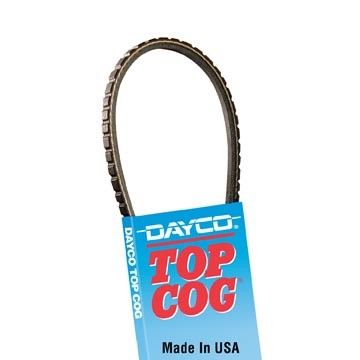
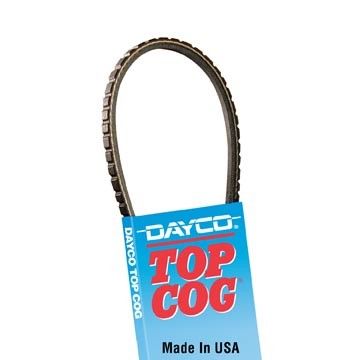
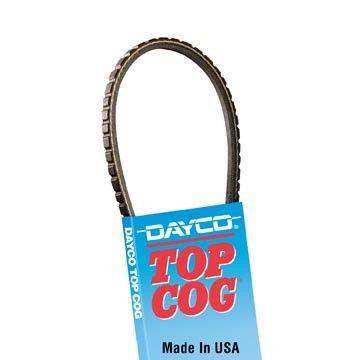
| Standard | Dayco | Dayco offers a solid, cost-effective V-belt that meets or exceeds original specifications. They are a popular choice and have been used without issue by many classic truck owners. |
Pro Tip: Check Your Length
The most critical factor when ordering is ensuring you get the correct length and width for your truck's specific engine and accessory configuration. Measure your old belt if possible, or check part numbers carefully, as different options from the factory can change the required belt size.
Known Issues, Recalls, or TSBs
For a vehicle from 1962, there are no active recalls or Technical Service Bulletins (TSBs) from the NHTSA related to accessory drive belts. Issues with the belt system on a Studebaker 7E7 are almost always due to normal wear and tear. The most common problems arise from simple old age of the rubber, incorrect tension after installation, or contamination from engine oil or coolant leaks.
Frequently Asked Questions (FAQ)
Can I replace the accessory drive belt myself?
Yes, absolutely. Replacing a V-belt on a 1962 Studebaker is a simple, DIY-friendly job. It typically involves loosening the mounting bolts on the generator, pivoting it to create slack, and then slipping the old belt off and the new one on. Basic hand tools are all that's required.
How do I get the right tension on the new belt?
Proper tension is critical. A good rule of thumb is that the belt should have about a half-inch of deflection (movement) when you press firmly with your thumb at the longest point between two pulleys. If it's too loose, it will squeal; too tight, and it can cause premature wear on the bearings in your generator and water pump.
Why is my new belt squealing?
A new belt usually squeals because it is too loose. Double-check the tension. Other causes can include oil or coolant residue on the pulleys, which should be cleaned thoroughly before installation, or worn, rusty, or misaligned pulleys.
Is this a V-belt or a serpentine belt?
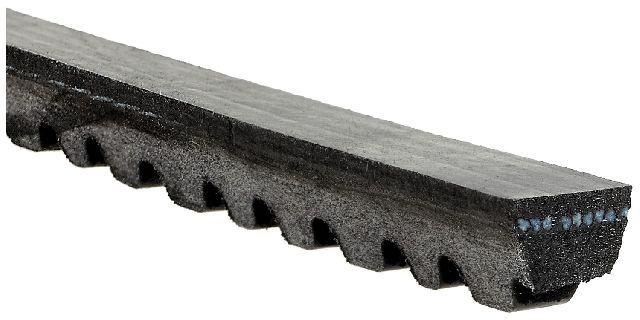
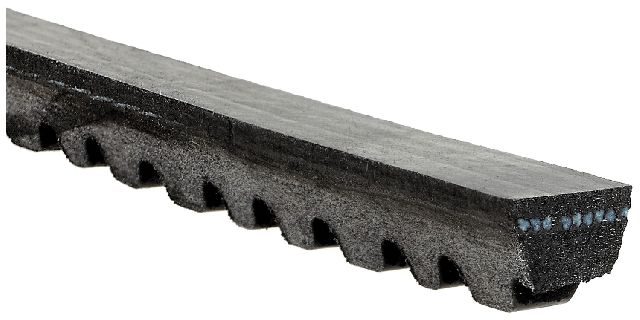
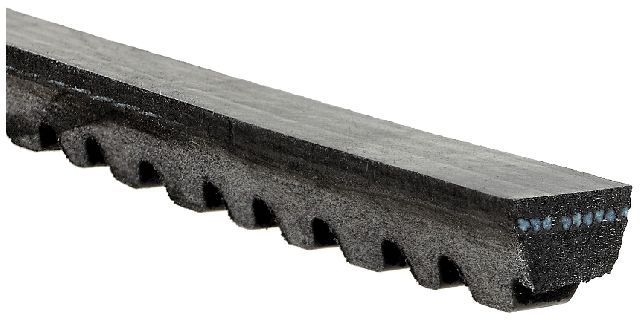
Your 1962 Studebaker 7E7 uses a V-belt system. These have a distinct V-shape and are narrower than modern serpentine belts, which are flat and wide with multiple ribs. Your truck may have more than one V-belt if it has optional accessories.
Technical Specifications
The 1962 Studebaker 7E7 is equipped with a V-belt system. The exact belt length and width depend on the specific engine (6-cylinder or V8) and any factory-installed accessories like power steering.
We Have This Part in Stock

The information in this article is provided for general reference and educational purposes only. Vehicle specifications, procedures, and part compatibility can vary by production date, trim level, and region. Always consult your vehicle's factory service manual and verify part numbers before purchasing or performing repairs. Safety-critical components such as airbags, seat belts, and braking systems should be installed by a qualified professional.