

1962 Studebaker 7E5 Radiator Coolant Hose Replacement Guide
Keep your classic Studebaker truck's engine from overheating by replacing its old, tired radiator hoses.
- For a 1962 Studebaker 7E5, always choose new aftermarket hoses from a quality brand like Gates; avoid New Old Stock (NOS) parts as the rubber will be degraded.
- Inspect hoses regularly for cracks, bulges, or soft spots, as these are signs of imminent failure on a classic truck.
- If one radiator hose is failing, it is best practice to replace the upper hose, lower hose, and clamps at the same time.
- Driving with a bad radiator hose is not recommended as it can lead to rapid overheating and cause severe, expensive engine damage.
Signs of a Failing Radiator Hose
On a vintage truck like a 1962 Studebaker, rubber parts degrade over time from heat cycles and exposure to fluids. It's not a matter of if, but when, your radiator hoses will need replacement. Catching a bad hose early can prevent a roadside breakdown and serious engine damage. Look for these common symptoms:
- Coolant Leaks: Puddles of green or yellow, sweet-smelling fluid under the front of your truck are a clear sign of a leak. Check where the hoses connect to the radiator and engine, as the clamps can loosen over time or the hose ends can split.
- Visible Damage: Regularly inspect the hoses for cracks, splits, or bulges. If a hose is contaminated with oil or grease, it can cause the rubber to swell and feel soft or spongy.
- Spongy or Brittle Hoses: When the engine is completely cool, squeeze the hoses. They should feel firm but have some give. A hose that feels mushy, spongy, or rock-hard and brittle is at the end of its life and should be replaced immediately.
- Engine Overheating: Your 7E5's temperature gauge climbing into the red can be caused by many issues, but a failing radiator hose is a common culprit. A hose can even collapse internally, restricting coolant flow, which leads to overheating.
OEM vs. Aftermarket Hoses
For a 1962 vehicle, finding a true "New Old Stock" (NOS) OEM radiator hose is highly unlikely. Even if you did, rubber deteriorates significantly over decades, even when in storage. An NOS hose from the 1960s would be brittle and unreliable. For critical rubber parts like radiator hoses, newly manufactured aftermarket parts are the safer and more reliable choice. Modern hoses are made from materials like EPDM rubber, which is engineered to better resist heat, ozone, and chemical breakdown than the original materials.
Choosing the Right Aftermarket Hose
For your Studebaker 7E5, quality aftermarket brands are your best option. Fitment is the most important factor.
- Gates: Gates is a well-respected, top-tier brand for cooling system parts, including hoses and belts. Mechanics often praise them for accurate vehicle-specific catalogs and producing hoses that closely match the original part's shape and bends. This is crucial in the tight engine bay of a classic truck.
Pro Tip: When you replace your radiator hoses, it's also the perfect time to replace the hose clamps. Old clamps can lose their tension and may not seal properly on a new hose. Also, consider flushing the cooling system and refilling with fresh, traditional green coolant.
Estimated Replacement Costs
Replacing radiator hoses is a relatively inexpensive job, especially if you do it yourself. The primary cost is the parts and new coolant.
| Item | Estimated Cost |
|---|---|
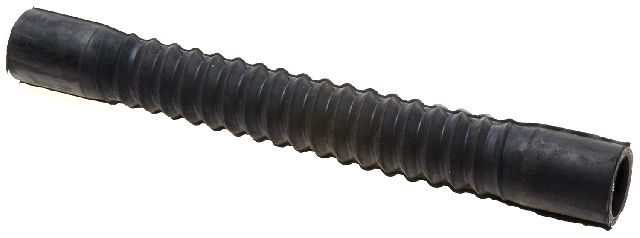
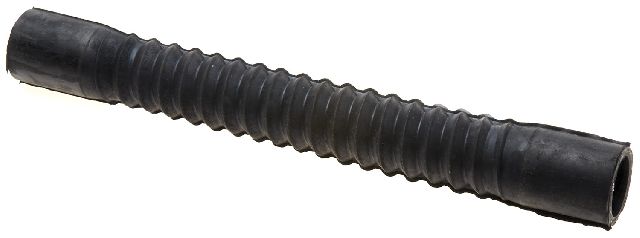
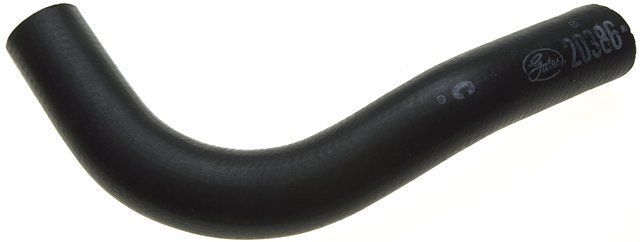
| New Aftermarket Hoses (Gates) | $22.80 - $37.52 |
| Shop Labor | $100 - $200 |
| Coolant | $15 - $25 |
Frequently Asked Questions (FAQ)
Are there any recalls for the 1962 Studebaker 7E5 radiator hoses?
No, there are no NHTSA recalls or specific Technical Service Bulletins (TSBs) for the radiator hoses on a 1962 Studebaker 7E5. Any service campaigns would have been issued decades ago.
Should I replace both the upper and lower hoses at the same time?
Yes, it is highly recommended. Both hoses have been exposed to the same age, heat, and conditions. If one hose has failed, the other is likely not far behind. Replacing them together is smart preventative maintenance.
What kind of coolant should I use in my Studebaker?
For a classic vehicle like the 1962 Studebaker 7E5, a traditional Inorganic Acid Technology (IAT) coolant, which is typically green, is the correct choice. Modern long-life coolants (like orange or pink) have different chemical properties that may not be compatible with the metals in your classic cooling system.
My lower hose has a spring inside it. Is that important?
Yes, the spring inside the lower radiator hose is an anti-collapse spring. The lower hose is on the suction side of the water pump, and this spring prevents the hose from collapsing under vacuum, which would restrict coolant flow. If your new hose does not come with a spring, you should carefully transfer the one from your old hose to the new one, provided it's in good condition.
Technical Specifications
Hoses are pre-molded from EPDM (Ethylene Propylene Diene Monomer) rubber to resist heat and chemical degradation and to fit the specific routing of the Studebaker engine bay.
We Have This Part in Stock

The information in this article is provided for general reference and educational purposes only. Vehicle specifications, procedures, and part compatibility can vary by production date, trim level, and region. Always consult your vehicle's factory service manual and verify part numbers before purchasing or performing repairs. Safety-critical components such as airbags, seat belts, and braking systems should be installed by a qualified professional.