

A Guide to Accessory Drive Belts for the 1962 Studebaker 7E12 Truck
Keep your classic Studebaker truck's essential systems running with the right replacement V-belt.
- Your 1962 Studebaker 7E12 uses one or more V-belts, not a modern serpentine belt.
- Squealing, visible cracks, and a generator warning light are clear signs that a belt needs immediate attention.
- Always choose a new aftermarket belt from a quality brand like Gates, Dayco, or Continental; avoid 60-year-old New Old Stock (NOS) parts as the rubber is unreliable.
- Replacing the V-belts is a simple, low-cost DIY job that is crucial for the truck's reliability.
Symptoms of a Failing Accessory Drive Belt
On a classic truck like the Studebaker 7E12, the rubber V-belts are a regular wear item. Because a failed belt will disable your truck, it's important to recognize the warning signs before you get stranded. Look and listen for these common symptoms:
- Squealing Noises: A high-pitched squeal is the most common symptom, especially when starting the cold engine or accelerating. This noise is caused by the belt slipping on the pulleys, which can be due to wear, improper tension, or contamination from oil or coolant.
- Visible Damage: A visual inspection is crucial. Look for cracks, fraying, missing chunks, or a shiny, smooth surface known as 'glazing'. Glazing means the rubber has hardened from heat and age and can no longer grip the pulleys effectively.
- Generator (GEN) Warning Light: If the red generator light on your dashboard flickers or stays lit, the belt driving the generator is likely slipping or broken. It cannot spin the generator fast enough to charge the battery.
- Engine Overheating: If the belt that runs the water pump breaks or is slipping badly, coolant will stop circulating. This will cause the engine temperature to rise very quickly, which can lead to severe engine damage.
Choosing the Right Aftermarket Belt: OEM vs. Aftermarket
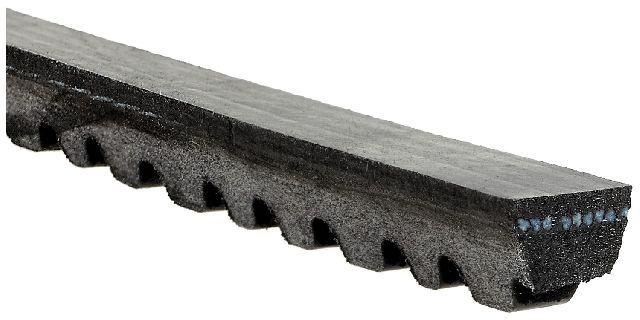
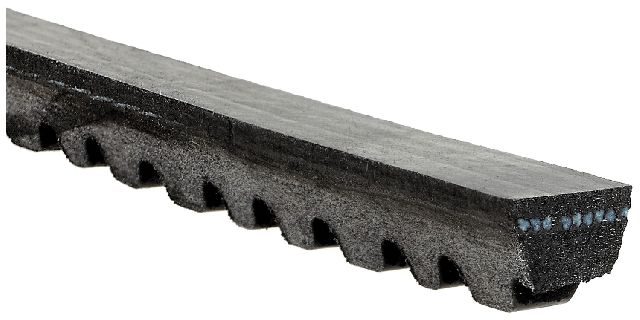
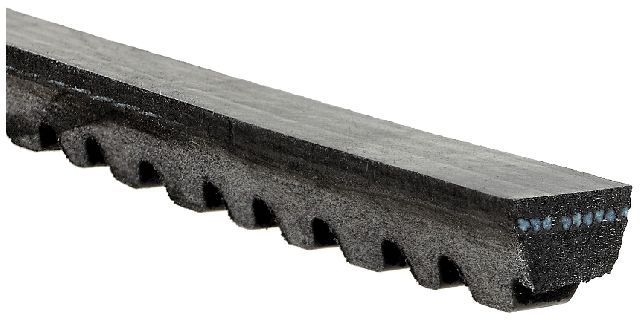
Original Studebaker belts are no longer manufactured. While you might find a "New Old Stock" (NOS) belt from the 1960s, it is not a reliable choice. Rubber degrades significantly over decades, even in storage, becoming brittle and prone to failure. Modern aftermarket belts are the superior option. They are made from advanced EPDM rubber compounds that are far more resistant to heat, oil, and cracking than the original neoprene belts. For your 7E12, established brands are highly recommended.
- Gates: A top-tier, highly respected brand among classic and heavy-duty truck owners. Gates belts are known for their durability and reliability.
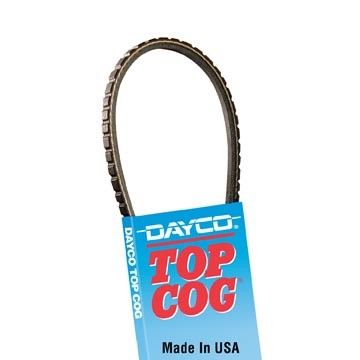
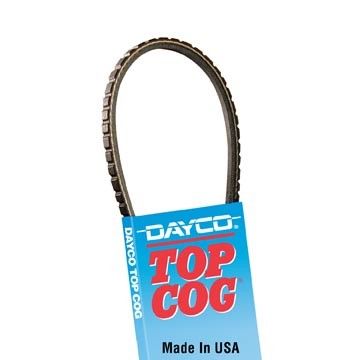
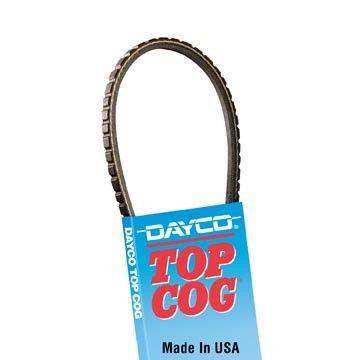
- Dayco: A well-known manufacturer that produces quality V-belts. They are a solid, dependable option for your Studebaker.
- Continental: As a major OEM supplier, Continental's aftermarket belts meet or exceed original specifications and are a trusted choice.
For a simple V-belt system like the one on your Studebaker, any of these three brands will provide excellent service. The most critical factor is ensuring you purchase the correct length and width for your truck's specific engine and accessory combination. Check what's on your truck before ordering.
Typical Cost for a New Accessory Drive Belt
Replacing the accessory drive belt on a 1962 Studebaker 7E12 is an inexpensive maintenance item. Prices reflect the cost of the part itself.
| Part Type | Price Range |
|---|---|
| New Aftermarket Belt | $7.35 - $39.59 |
Frequently Asked Questions (FAQ)
Is it hard to replace the accessory drive belt myself?
No, this is a very DIY-friendly job on a 1962 Studebaker. The process typically involves loosening the mounting bolts on the generator, pivoting it to release belt tension, swapping the belt, and then using a lever to apply proper tension while re-tightening the bolts. It usually requires only basic hand tools and can be done in under an hour.
How do I know what the correct belt tension is?
Proper tension is critical. If it's too loose, the belt will slip and squeal. If it's too tight, it can cause premature wear on the bearings in your water pump and generator. A good rule of thumb is that the belt should have about a half-inch of deflection when you press firmly with your thumb at the longest point between two pulleys.
Why is my new belt squealing?
The most common reason for a new belt to squeal is incorrect tension—it's probably too loose. Double-check the tension. Other causes can include oil or coolant residue on the pulleys (which should be cleaned thoroughly before installation) or worn, damaged, or misaligned pulleys.
How many belts does my Studebaker truck have?
It depends on the engine and options. A base model will have at least one V-belt for the generator and water pump. If your truck has options like power steering, it will have one or more additional belts. The only way to be certain is to look under the hood of your specific truck.
Technical Specifications
The system uses a V-belt design. The critical specifications are the belt's top width, angle, and effective length. These must be matched to your truck's specific engine and accessory configuration (e.g., with or without power steering). Belts are typically made of modern EPDM rubber.
We Have This Part in Stock

The information in this article is provided for general reference and educational purposes only. Vehicle specifications, procedures, and part compatibility can vary by production date, trim level, and region. Always consult your vehicle's factory service manual and verify part numbers before purchasing or performing repairs. Safety-critical components such as airbags, seat belts, and braking systems should be installed by a qualified professional.