

A Guide to Spark Plug Wires for the 1961-1973 Checker Marathon
Keep your classic Checker running strong by choosing the right spark plug wire set for your specific engine.
- The most critical step is to identify your engine (Continental I6, Chevy I6, or Chevy V8) before ordering parts.
- For stock, points-style ignitions, a quality standard replacement set from a brand like NGK or Standard is an excellent choice.
- If your engine bay gets hot or you have performance upgrades, consider a set with silicone jackets from a brand like Accel or Taylor.
- Replacing wires is a simple DIY task; just swap them one at a time to maintain the correct firing order.
Is Your Checker Marathon Showing Signs of Bad Spark Plug Wires?
Over time, spark plug wires wear out. The insulation can crack from heat and age, and the internal conductor can break down. When this happens, the electrical energy can leak out or fail to reach the spark plug efficiently. This can cause noticeable problems with how your car runs.
Common symptoms include:
- Rough Idling: The engine may shake or vibrate more than usual when stopped.
- Engine Misfires: You might feel a hesitation or stumble from the engine, especially during acceleration.
- Difficulty Starting: A weak spark can make it harder for the engine to turn over and start.
- Poor Fuel Economy: When the engine isn't running efficiently, it uses more gasoline.
- Visible Sparking: In the dark, you might see blue sparks arcing from a damaged wire to a metal part of the engine.
Choosing the Right Aftermarket Wires for Your Marathon
Since original factory parts for these vehicles are no longer made, you will be choosing from new aftermarket brands. The most important factor is buying a set designed for your specific engine. A 1964 Marathon could have a Continental six-cylinder or a Chevrolet six-cylinder or V8, and they require different wire sets. Always confirm your engine type before buying.
Engine Types in 1961-1973 Checker Marathons
| Years | Primary Engines | Notes |
|---|---|---|
| 1961 - Mid-1964 | Continental L-head & OHV Inline-6 | Requires a specific 6-cylinder wire set. |
| Mid-1964 - 1973 | Chevrolet OHV Inline-6 (230, 250 cid) | Uses a GM-style 6-cylinder wire set. |
| Mid-1964 - 1973 | Chevrolet Small-Block V8 (283, 307, 327, 350 cid) | Uses a GM-style V8 wire set. |
Brand Quality Tiers
For a classic car like the Marathon, you have a few types of aftermarket wires to choose from. The brands available offer a range from standard replacements to performance upgrades.
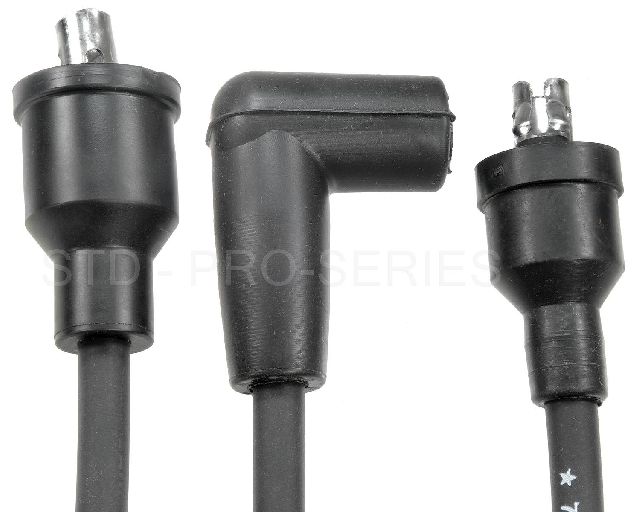
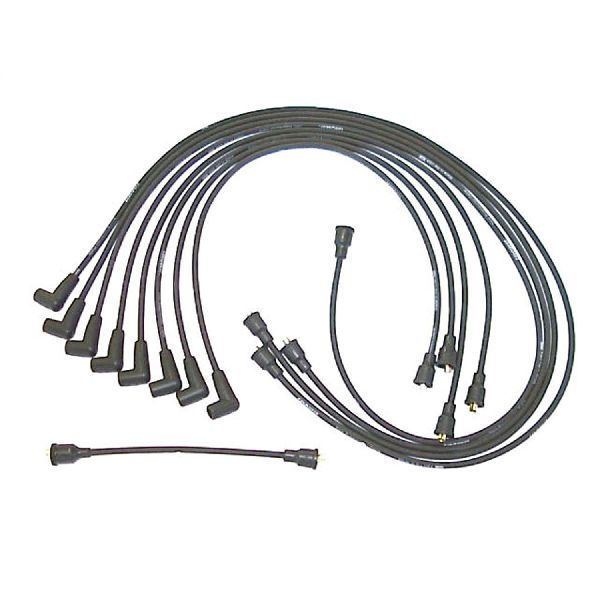
- Good Standard Replacements (Tier 1): Brands like NGK, Denso, and Standard Wires (Standard Motor Products) are known for making reliable, OEM-quality parts. An NGK wire set is often a dependable choice for a daily driver or a stock restoration. These wires provide excellent performance for a standard points-style or early electronic ignition system.
- Performance & Heavy-Duty (Tier 2): Brands such as Accel and Taylor Cable are popular in the classic car and performance communities. They often feature thicker 8mm silicone jackets for better heat resistance and lower resistance conductors for a slightly hotter spark. These are a good choice if you have performance upgrades or want extra durability, and they often come in colors like red or yellow.
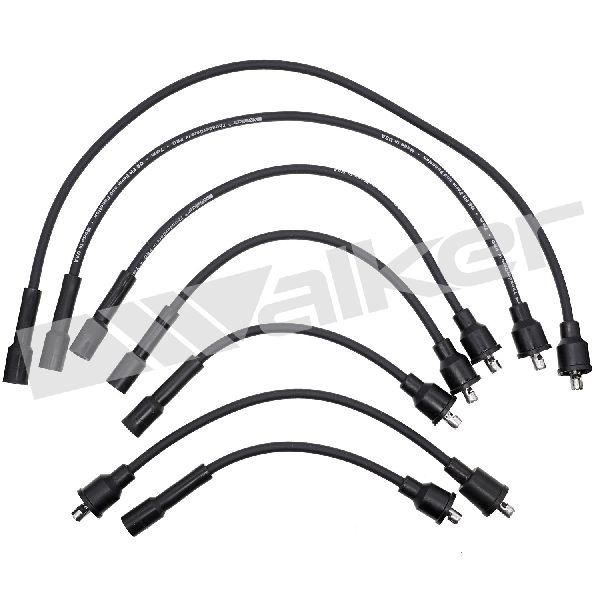
- Economy Options (Tier 3): Brands like Walker Products and other value-priced lines will get the job done. However, for a classic vehicle where reliability is key, investing in a higher-tier brand is often worth the small extra cost to avoid premature failures.
Pro Tip: For early Marathons with original points-type ignition systems, it's best to use low-resistance, metallic-core wires. Some modern high-resistance wires are designed for high-energy electronic ignitions and can result in a weaker spark and poor performance on an older system.
Frequently Asked Questions (FAQ)
How often should I replace my spark plug wires?
A good rule of thumb is to inspect them at every tune-up and plan on replacing them every 50,000 miles or every 5-7 years. On a classic car that isn't driven daily, age is often more of a factor than mileage, as the insulation can become brittle over time.
Do I need special tools to replace them?
No, this is a very beginner-friendly job. You typically don't need any tools, though a spark plug wire puller can make it easier to remove stubborn boots without damaging them. The most important thing is to replace one wire at a time to avoid mixing up the firing order.
What's the difference between 7mm and 8mm wires?
The measurement refers to the diameter of the wire's outer jacket. Original wires were typically 7mm. Many aftermarket performance wires are 8mm or larger, offering a thicker silicone jacket for better insulation and heat resistance. For most stock Checker engines, a quality 7mm or 8mm set will work perfectly well.
Will new wires improve my car's performance?
If you are replacing old, worn-out wires, then yes, you will likely notice a significant improvement. A smoother idle, better throttle response, and easier starting are common benefits. However, putting performance wires on a stock engine with no other issues will not add horsepower; it simply restores the ignition system to optimal function.
Are there any recalls for Checker Marathon spark plug wires?
No. There are no recalls or technical service bulletins (TSBs) from the manufacturer or NHTSA related to spark plug wires for this vehicle. This is normal for a vehicle of this age.
Technical Specifications
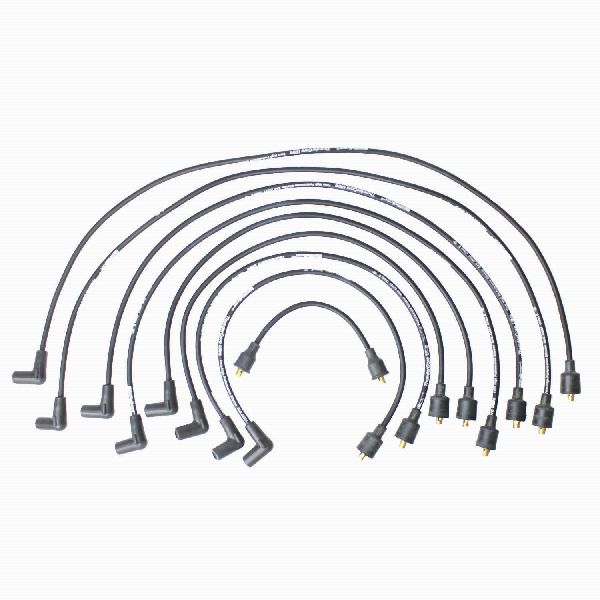
Vehicle-specific fitment based on engine type: Continental Inline-6, Chevrolet Inline-6, or Chevrolet V8. Wire diameter is typically 7mm or 8mm. Core material can be carbon (for resistance) or a spiral-wound metallic conductor (low resistance).
We Have This Part in Stock

The information in this article is provided for general reference and educational purposes only. Vehicle specifications, procedures, and part compatibility can vary by production date, trim level, and region. Always consult your vehicle's factory service manual and verify part numbers before purchasing or performing repairs. Safety-critical components such as airbags, seat belts, and braking systems should be installed by a qualified professional.