

Dodge P300 Voltage Regulator Guide for 1961-1972 Models
Keep your classic P300's charging system working properly by understanding its voltage regulator.
- A bad voltage regulator on your P300 will cause flickering lights, battery issues, and potential engine stalling.
- Before replacing the part, always check for a clean, tight ground connection, as this is a common point of failure on older Mopars.
- New aftermarket solid-state regulators from brands like Standard Ignition are generally more reliable than the original mechanical design.
- This is a simple and inexpensive DIY replacement that requires only basic tools.
Understanding the Voltage Regulator in Your Classic Dodge P300
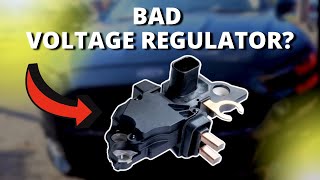
The voltage regulator on your 1961-1972 Dodge P300 is an electro-mechanical component that manages the charging of your battery. Unlike modern vehicles where this function is often handled by a computer or built into the alternator, your P300 has a separate, replaceable part. Its job is simple but vital: keep the voltage from the alternator at a safe and steady level to power your lights and ignition while properly charging the battery. When it fails, it can cause a range of electrical problems, from minor annoyances to issues that can leave you stranded or damage other parts.
Symptoms of a Failing Voltage Regulator
A bad voltage regulator can show itself in a few different ways. You might notice one or more of these signs:
🎬 See a visual guide to common symptoms of a bad regulator.- Dimming or Flickering Lights: Your headlights and dash lights may pulse, flicker, or dim at idle and then get brighter as you rev the engine. This is a classic sign of inconsistent voltage.
- Battery Problems: A regulator that is failing can either undercharge or overcharge your battery. An undercharged battery will have trouble starting the engine. An overcharged battery may get hot, swell, or release a rotten egg smell, which is a serious safety hazard. Overcharging can 🎬 Watch how a bad regulator can cause major electrical damage. permanently damage the battery.
- Erratic Gauge Behavior: The gauges on your instrument cluster might behave strangely, with needles sweeping back and forth or giving incorrect readings.
- Engine Performance Issues: Inconsistent voltage can affect the ignition system, leading to rough running, hesitation, or stalling.
- Burnt Out Bulbs: If the regulator allows voltage to spike too high, you may find yourself replacing headlights and other bulbs frequently.
A Note on Grounding
For these classic Mopar charging systems, a poor ground connection is a very common cause of charging problems. Before replacing the regulator, ensure it has a clean, tight connection to the vehicle body. Rust or corrosion behind the regulator can prevent it from grounding properly and cause it to malfunction. Cleaning the mounting points to bare metal is a crucial step.
Choosing a New Aftermarket Voltage Regulator
For a vehicle from the 1960s and early 70s, finding new original equipment (OEM) parts is nearly impossible. The market is served almost exclusively by aftermarket manufacturers. This is not a bad thing, as modern aftermarket parts are often solid-state electronic units, which can be more reliable and consistent than the original mechanical designs.
Standard Ignition is a well-known brand that produces replacement voltage regulators for this era of Dodge truck. Their electronic regulators are often encapsulated in epoxy to resist vibration and corrosion, which is a good feature for a workhorse vehicle like the P300. When shopping, you will find a few options available.
Cost of a New Aftermarket Voltage Regulator
| Part Type | Typical Price Range |
|---|---|
| New Aftermarket (e.g., Standard Ignition) | $62.73 - $134.46 |
| New OEM | Not Generally Available |
| Shop Labor for Installation | $60 - $120 |
Pro Tip: Check Your Connectors
The plastic connectors for the voltage regulator can become brittle and fail over 50+ years. A poor connection in the plug can mimic the symptoms of a bad regulator. When replacing your regulator, inspect the wiring and connector. If it looks melted, cracked, or corroded, it should be replaced at the same time.
Frequently Asked Questions (FAQ)
Are there any recalls for the 1961-1972 Dodge P300 voltage regulator?
Based on a search of National Highway Traffic Safety Administration (NHTSA) records, there are no specific safety recalls for the voltage regulator on the 1961-1972 Dodge P300. This is common for vehicles of this age.
Is a solid-state aftermarket regulator better than the original mechanical one?
Generally, yes. The original mechanical regulators use contact points and springs that wear out over time, leading to inconsistent voltage. Modern solid-state electronic regulators have no moving parts, so they tend to be more durable and provide a more stable voltage, which is better for your battery and electrical system.
Can I replace the voltage regulator myself?
Yes, this is a very straightforward job for a DIY mechanic. The regulator is usually mounted on the firewall or inner fender with just a couple of screws and has a simple plug-in electrical connector. Basic hand tools are all that's required. The most important part of the job is ensuring the new regulator has a good, clean ground connection to the chassis.
Should I replace my alternator at the same time?
Not necessarily. It's best to test the charging system first. A bad voltage regulator can cause symptoms that seem like a bad alternator. However, if your alternator is original or very old, and you are already working on the charging system, replacing it for long-term reliability might be a good idea. On these older Mopar systems, the voltage regulator is often the most likely point of failure.
Helpful Videos
Technical Specifications
System Voltage: 12V. Control Type: External Electro-Mechanical (Original) or Solid-State (Aftermarket). Terminal Count: Typically 2 or 3 terminals in a triangular or flat configuration.
We Have This Part in Stock


The information in this article is provided for general reference and educational purposes only. Vehicle specifications, procedures, and part compatibility can vary by production date, trim level, and region. Always consult your vehicle's factory service manual and verify part numbers before purchasing or performing repairs. Safety-critical components such as airbags, seat belts, and braking systems should be installed by a qualified professional.