

Dodge P100 Van Engine Coolant Bypass Hose Replacement Guide (1961-1967)
This small hose is vital for your classic P100 Van's engine health; ignoring it can lead to major problems.
- For a 1961-1967 P100 Van, a modern aftermarket hose from a brand like Gates is superior to non-existent OEM or aged NOS parts.
- Do not drive with a leaking coolant hose, as it can lead to rapid overheating and severe engine damage.
- Symptoms of failure include coolant leaks, a sweet smell, visible damage like cracks or swelling, and engine overheating.
- It is best practice to replace all coolant hoses (radiator and heater hoses) at the same time you replace the bypass hose.
Is Your P100 Van's Bypass Hose Failing?
For a classic vehicle like the 1961-1967 Dodge P100, rubber components are often the first to fail simply due to age. The original hoses are far past their expected service life. Heat, pressure, and oil contamination cause the rubber to break down over time. A failing coolant bypass hose is a serious issue that can quickly lead to engine overheating and severe, expensive damage. Knowing the warning signs can save your engine.
Signs of a Failing Engine Coolant Bypass Hose
Because this hose is small and often tucked away near the water pump, a failure might not be immediately obvious. Keep an eye out for these symptoms:
- Coolant Leaks: This is the most common sign. You may find puddles of sweet-smelling green, yellow, or orange fluid under the front of your van.
- Steam or Sweet Smell: Leaking coolant that drips onto a hot engine will turn to steam and produce a distinct sweet smell you might notice after a drive.
- Visible Damage: When the engine is cool, inspect the hose. Look for cracks, splits, or bulging areas. A hose that feels spongy, soft, or excessively hard and brittle needs to be replaced.
- Engine Overheating: A significant leak will cause a loss of coolant, leading your temperature gauge to climb into the red zone. If this happens, pull over immediately to prevent engine damage.
Do Not Drive With a Leaking Hose
A small coolant leak can become a large one without warning, leading to rapid coolant loss and catastrophic engine overheating. It is not recommended to drive your van until the hose is replaced.
Choosing the Right Aftermarket Hose
For a vintage vehicle like the P100 Van, finding new original equipment (OEM) parts is nearly impossible. Your realistic options are New Old Stock (NOS) or modern aftermarket parts.
- OEM / NOS: A New Old Stock part might seem appealing, but a rubber hose that has been sitting on a shelf for decades can be brittle and unreliable.
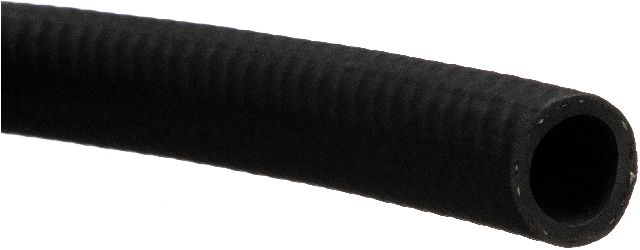
- Aftermarket: A modern aftermarket hose is the best choice. Brands like Gates produce high-quality, pre-molded hoses designed to meet or exceed original specifications. They use modern rubber compounds (like EPDM) that are engineered to resist heat, chemicals, and electrochemical degradation—the leading cause of hose failure.
Always use a pre-molded hose made for your vehicle. Using a straight piece of hose will cause it to kink, which restricts coolant flow and can cause overheating.
Estimated Replacement Costs
Replacing the coolant bypass hose is a relatively inexpensive repair that can prevent very costly engine damage.
| Part Type | Part Cost | Shop Labor Cost | Total Estimated Cost |
|---|---|---|---|
| New Aftermarket (Gates) | $81.22 | $100 - $200 | $181.22 - $281.22 |
| New OEM | Not Available | $100 - $200 | N/A |
Cost estimates are based on national averages for parts and labor and may vary by location and shop. The job typically takes 1-2 hours.
Frequently Asked Questions (FAQ)
Are there any recalls for the 1961-1967 Dodge P100 Van coolant system?
No specific recalls or technical service bulletins (TSBs) related to the engine coolant bypass hose were found for this vehicle during research. Any failure today is due to the natural aging of the rubber part.
Can I replace the bypass hose myself?
Yes, this is a feasible DIY project for someone with basic mechanical skills. The process involves draining some coolant, removing the old hose clamps and hose, and installing the new one. The biggest challenge is often access, as the hose is in a tight spot. Always perform this work on a cool engine.
Should I replace other hoses at the same time?
Yes. If the bypass hose has failed due to age, the radiator hoses and heater hoses are likely in similar condition. It is highly recommended to replace all coolant hoses at the same time as a preventative measure to ensure reliability.
What kind of clamps should I use?
While many people use worm-gear clamps, spring-style clamps are often recommended as they maintain constant tension as the hose expands and contracts with temperature changes, reducing the chance of leaks. It's good practice to replace clamps whenever you replace a hose.
Technical Specifications
Molded EPDM rubber construction, resistant to heat and electrochemical degradation.
We Have This Part in Stock

The information in this article is provided for general reference and educational purposes only. Vehicle specifications, procedures, and part compatibility can vary by production date, trim level, and region. Always consult your vehicle's factory service manual and verify part numbers before purchasing or performing repairs. Safety-critical components such as airbags, seat belts, and braking systems should be installed by a qualified professional.