

Power Steering Pump Guide for the 1961-1967 Cadillac Eldorado
Is your classic Eldorado's steering whining or getting stiff? Here's what you need to know before replacing the power steering pump.
- Symptoms like whining noises, stiff steering, or reddish fluid leaks are clear signs your Eldorado's power steering pump needs attention.
- For this classic vehicle, your choices are new aftermarket (e.g., Lares) or remanufactured (e.g., BBB Industries) pumps; new OEM parts are not available.
- A special pulley puller/installer tool is almost always required to transfer the pulley from the old pump to the new one.
- Always flush the entire power steering system with fresh, correct-spec fluid during replacement to prevent damage to the new pump.
Is Your Eldorado's Steering Trying to Tell You Something?
A failing power steering pump on a classic 1961-1967 Cadillac Eldorado gives clear warning signs. Catching these symptoms early can prevent more difficult steering and protect other parts of the system, like the steering gear. If you notice any of the following, it's time to inspect your power steering system.
Common Failure Symptoms
- Whining or Groaning Noises: This is the most common sign. You'll hear a distinct whining or groaning sound that gets louder when you turn the steering wheel. This is often caused by low fluid or air getting into the pump.
- Stiff Steering Wheel: If turning the wheel suddenly feels like a workout, the pump is likely not creating enough pressure to assist you. This can be dangerous when you need to make a quick turn.
- Fluid Leaks: Finding reddish-brown fluid puddles under the front of your car is a major red flag. On these Cadillacs, leaks are a common failure point and can come from the pump body, seals, or the attached hoses.
- Slow or Delayed Steering Response: If the car feels sluggish to respond when you turn the wheel, the pump may be failing to build pressure quickly.
- Foamy or Gray Fluid: Healthy power steering fluid is reddish-pink. If you check the reservoir and the fluid looks gray or foamy, it means air and possibly moisture have contaminated the system, often due to a bad pump. You might also see tiny metal flakes, which are a sign of the pump's internal parts grinding themselves down.
Known Issues: No Recalls Found
There are no official recalls or Technical Service Bulletins (TSBs) from the NHTSA for the power steering pump on the 1961-1967 Cadillac Eldorado. Recalls you may find for Cadillac power steering relate to much newer models with modern electric systems, not the hydraulic system in your classic car.
Choosing the Right Aftermarket Pump
For a classic car like the '61-'67 Eldorado, you will not find a "new" pump directly from Cadillac (New Old Stock is extremely rare and expensive). Your choices are new aftermarket pumps or remanufactured pumps.
- New Aftermarket Pumps: These are made entirely from new components by companies like Lares. They are built to match the original specifications and are often a reliable choice, as all parts are fresh from the factory.
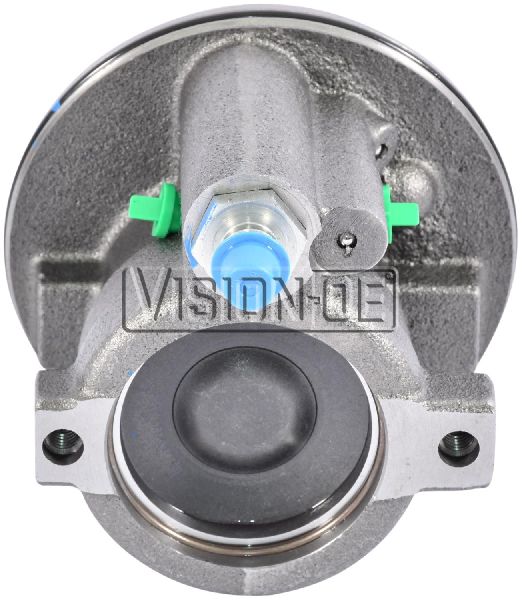
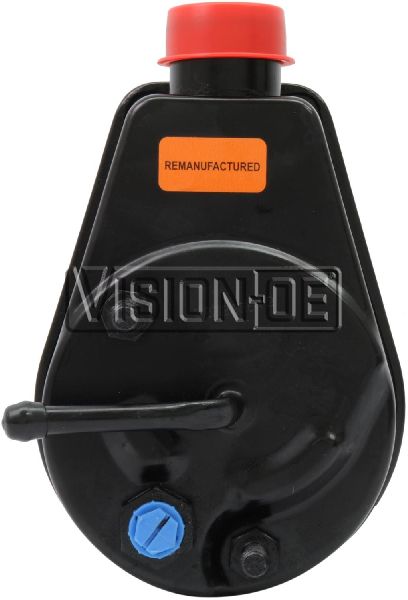
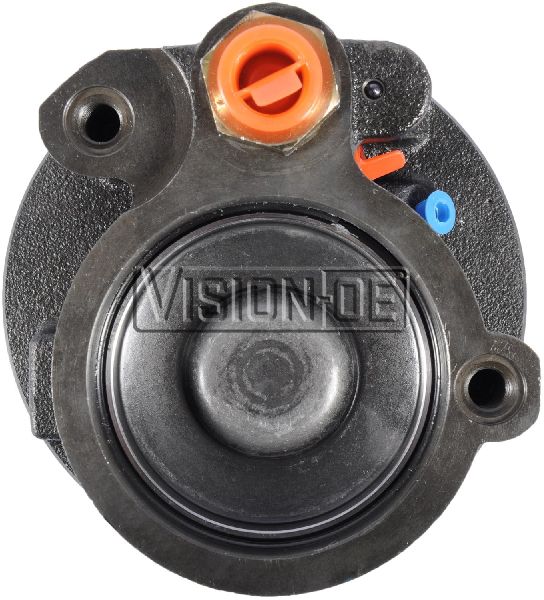
- Remanufactured Pumps: This is a very common option for classic cars. Brands like BBB Industries take an original pump core, clean it, and rebuild it with new seals, bearings, and O-rings. The quality can sometimes be inconsistent, as it depends on the condition of the original core and the rebuilder's process. However, they are a cost-effective and popular choice.
Pro Tip: Flush the System and Check the Pulley
When you replace your pump, you must flush the entire power steering system to remove old, contaminated fluid. Debris from the old failing pump can quickly destroy your new part. Also, inspect the V-belt and hoses for cracks or damage. Most replacement pumps do not include a new pulley. You will need to transfer the pulley from your old pump, which often requires a special pulley puller/installer tool. Be aware that classic Cadillac pulleys can be difficult to remove without damage, so proceed carefully.
Power Steering Pump Replacement Cost for 1961-1967 Cadillac Eldorado
The cost to replace a power steering pump involves the part itself and labor. While labor costs vary by shop, the parts are readily available in the aftermarket.
| Part Type | Estimated Cost |
|---|---|
| New Aftermarket Pump | $120 - $270 |
| Remanufactured Pump | $90 - $200 |
| Shop Labor | $150 - $300 |
Note: Cost estimates are approximate and can vary based on the specific brand, your location, and the repair shop's hourly rate. The provided inventory price range for available products is $89.93 - $262.71.
Frequently Asked Questions
Can I still drive my Eldorado with a bad power steering pump?
You can, but it is not recommended. The steering will be extremely heavy and difficult to manage, especially at low speeds, which poses a significant safety risk in traffic or parking situations.
What is the difference between a new and a remanufactured pump?
A new aftermarket pump is made with 100% new components. A remanufactured pump uses the original pump's main body (the core), which is professionally cleaned, inspected, and rebuilt with new seals, O-rings, and bearings to restore it to factory specifications.
Do I need a special tool to replace the pump?
Yes, you will likely need a power steering pump pulley puller and installer tool. The pulley is a tight, pressed fit onto the pump shaft and cannot be removed easily. These tool kits can often be rented from auto parts stores.
What kind of fluid should I use in my 1960s Cadillac?
Always check a service manual for your specific year. While some older GM cars used Automatic Transmission Fluid (ATF), using the wrong fluid can damage the seals in your steering system. It is safest to use a fluid specifically labeled as "Power Steering Fluid" that is compatible with your vehicle.
Technical Specifications
V-Belt Pulley Type, Bolt-On Pulley Attachment, Steel Housing, Reservoir Included. Note that the pulley itself is typically not included with the replacement pump.
We Have This Part in Stock

The information in this article is provided for general reference and educational purposes only. Vehicle specifications, procedures, and part compatibility can vary by production date, trim level, and region. Always consult your vehicle's factory service manual and verify part numbers before purchasing or performing repairs. Safety-critical components such as airbags, seat belts, and braking systems should be installed by a qualified professional.