

A Practical Guide to Universal Joints for the 1961-1963 Mercury Meteor
Eliminate driveline vibrations and clunking noises by understanding how to choose the right replacement U-joint for your classic Meteor.
- Your Meteor has two U-joints; it is best to replace both at the same time to ensure a balanced and smooth-running driveshaft.
- A high-quality, non-greasable (sealed) U-joint from a brand like Dana Spicer offers the best combination of strength and maintenance-free reliability.
- Do not ignore symptoms like vibrations or clunking, as a complete U-joint failure can cause the driveshaft to detach while driving.
- While DIY replacement is possible, it requires a press or large vise to avoid damaging the driveshaft yokes.
Is Your Meteor's Universal Joint Failing?
A worn-out U-joint is more than just an annoyance; it's a safety concern. If a U-joint fails completely, the driveshaft can detach from the vehicle, leading to a loss of power and potentially causing significant damage. Listen and feel for these common symptoms to catch a bad U-joint early.
- Squeaking Noises: A rhythmic squeaking, especially at low speeds, is often the first sign. This is caused by the needle bearings inside the U-joint cup running out of lubrication and creating metal-on-metal contact.
- Clunking or Banging: A loud "clunk" when you shift from park into drive or reverse points to excessive play in a worn U-joint. You might also hear it when you accelerate or decelerate quickly.
- Vibrations: A vibration that you can feel through the floor or seats, which gets worse at higher speeds, is a common symptom. This happens when the worn joint throws the driveshaft out of balance.
- Visible Rust or Grease: If you look under the car, you might see rust-colored dust around the U-joint caps. This indicates the internal bearings are failing and moisture has gotten inside.
Choosing the Right Aftermarket U-Joint
Since original OEM parts for a 1961-1963 Meteor are virtually non-existent, you will be choosing from aftermarket brands. The good news is that many aftermarket brands offer excellent quality, sometimes even exceeding original specifications. Your main choice will be between different brands and whether to get a greasable or non-greasable joint.
Brand Quality Tiers
| Tier | Brands | Description |
|---|---|---|
| Premium | Dana Spicer | Often considered the benchmark and an original equipment supplier for many manufacturers. Spicer joints are known for being strong, well-designed, and durable. Many professionals recommend their non-greasable "Spicer Life Series" for maximum strength and a maintenance-free design. |
| Quality Aftermarket | Moog, SKF | Both Moog and SKF are well-respected brands in the aftermarket. Moog has historically been a go-to for many mechanics, though some recent forum discussions suggest quality can be inconsistent. SKF is another strong contender, often viewed as a reliable alternative if Spicer is unavailable. |
| Standard/Economy | GMB | GMB is a widely available brand that typically offers a more budget-friendly price point. They are a viable option for standard-duty use. |
Greasable vs. Non-Greasable U-Joints
You'll see options for both "greasable" (with a zerk fitting to add grease) and "non-greasable" (sealed) U-joints. What's the difference?
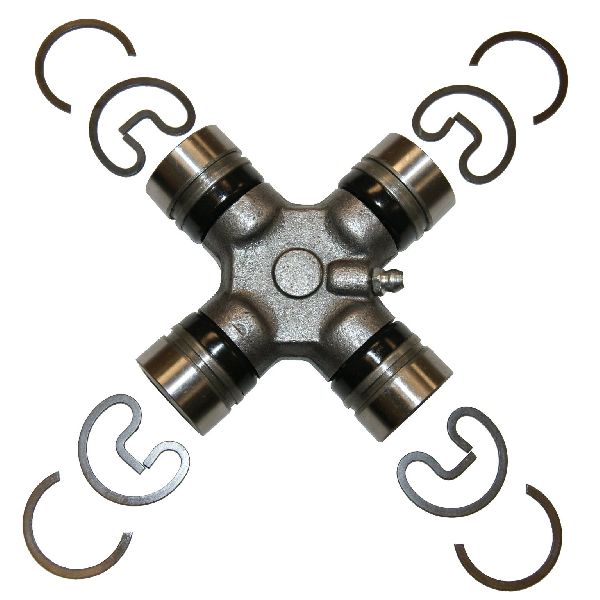
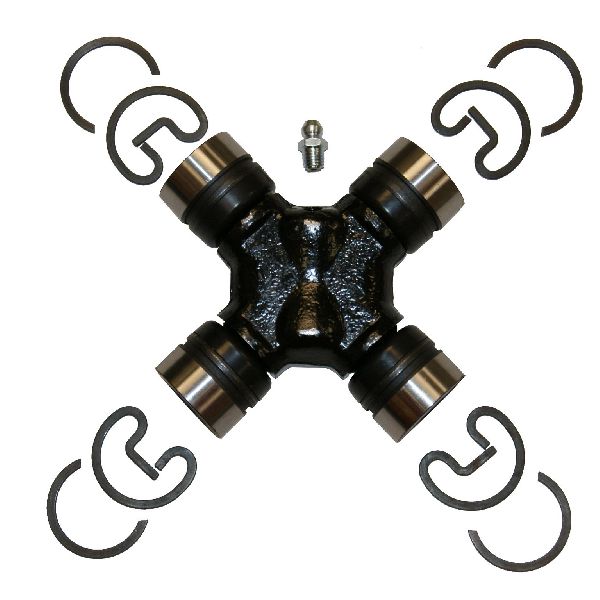
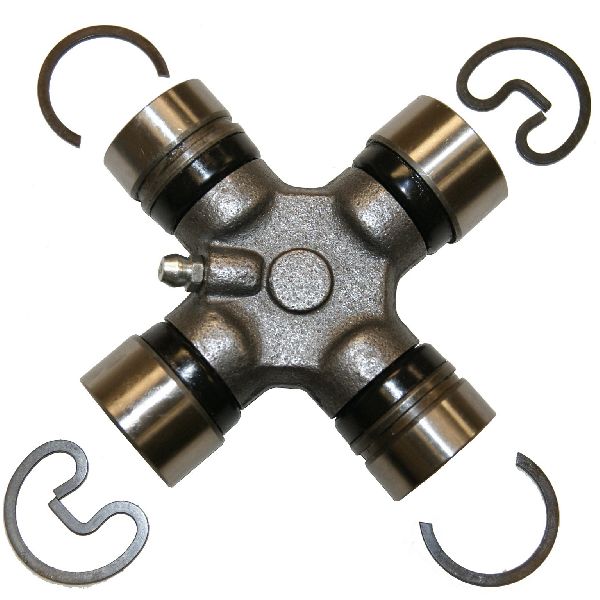
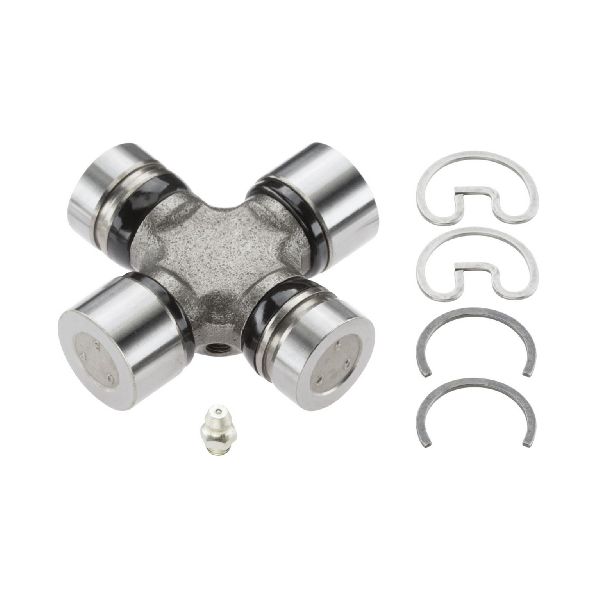
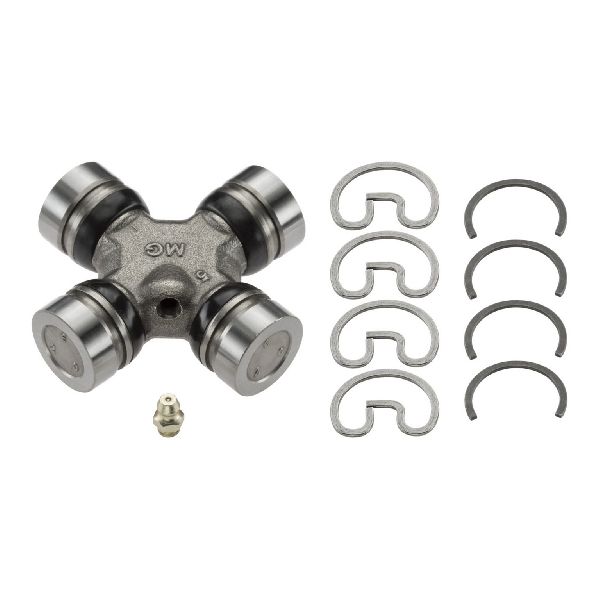
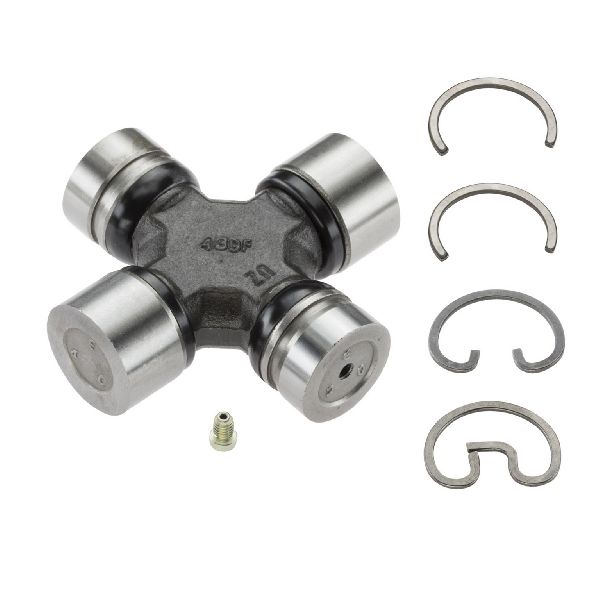
- Non-Greasable (Sealed): These are slightly stronger because the cross isn't drilled for a grease channel. They are maintenance-free and have better seals to keep contaminants out. This is the best choice if you prefer a "fit it and forget it" part.
- Greasable: These allow you to flush out old grease and contaminants with new grease, which can extend their life *if* you perform regular maintenance. If you don't grease them regularly, they will fail faster than a sealed joint.
For most classic car owners, a high-quality, non-greasable U-joint from a brand like Spicer is the most reliable and hassle-free option.
Estimated Costs for Universal Joint Replacement
The cost to replace your Meteor's U-joints will depend on the parts you choose and whether you do the work yourself. Your car has two U-joints on its driveshaft. It is highly recommended to replace both at the same time.
| Item | Estimated Cost |
|---|---|
| New Aftermarket U-Joint (per part) | $18.90 - $58.37 |
| Shop Labor (to replace both) | $150 - $300 |
| Total Professional Replacement | $190 - $420 |
Note: Labor costs can vary significantly based on your location and the specific shop. The price range for parts reflects the difference between standard and premium brands.
Frequently Asked Questions
How many U-joints does my 1961-1963 Meteor have?
Your Meteor has a single driveshaft with two universal joints: one at the transmission end (front) and one at the differential end (rear). It is always best practice to replace them as a pair.
Can I replace a U-joint myself?
Yes, this is a DIY-feasible job for someone with mechanical experience. However, it requires specific tools. You will need a bench vise and sockets or a dedicated U-joint press tool to push the old joints out and press the new ones in without damaging the driveshaft yoke. If you hammer on the yoke ears, you risk bending them and causing a permanent vibration.
What is the most common mistake when ordering?
While most 1961-1963 Meteors use a common U-joint size (often a 1310 series for classic Fords), it's crucial to measure before ordering. Use calipers to measure the diameter of the bearing cap and the width across the joint. Drivetrain parts could have been swapped over the decades, so verifying your specific needs is the only way to guarantee you get the right part.
Were there any recalls for the Meteor's U-joints?
There is no evidence of any recalls or Technical Service Bulletins (TSBs) from the NHTSA or other sources regarding universal joints for the 1961-1963 Mercury Meteor. This is expected for a vehicle of this age.
Technical Specifications
The 1961-1963 Mercury Meteor likely uses a 1310-series universal joint, which is common for Ford products of this era. However, it is critical to measure your existing U-joints before ordering, as parts may have been changed over the vehicle's lifespan. Key measurements are the bearing cap diameter and the width from cap to cap.
We Have This Part in Stock

The information in this article is provided for general reference and educational purposes only. Vehicle specifications, procedures, and part compatibility can vary by production date, trim level, and region. Always consult your vehicle's factory service manual and verify part numbers before purchasing or performing repairs. Safety-critical components such as airbags, seat belts, and braking systems should be installed by a qualified professional.