

Radiator Coolant Hose Guide for the 1961 Studebaker 6E10
Keep your classic Studebaker truck's engine cool and reliable by understanding how to choose the right replacement radiator hoses.
- Always choose new aftermarket hoses from a quality brand like Gates over New Old Stock (NOS) parts, as the rubber on NOS hoses is likely degraded from age.
- Use pre-molded hoses specifically designed for your truck, not universal flexible hoses, to ensure correct fitment and prevent flow restrictions.
- If your old lower hose has an internal anti-collapse spring, transfer it to the new hose if one is not already included.
- Replace radiator hoses as a set (both upper and lower) every 4-5 years as preventative maintenance to avoid a sudden failure and potential engine damage.
Signs of a Failing Radiator Hose on Your 6E10 Truck
On a classic truck like the 1961 Studebaker 6E10, rubber components are often the first parts to fail simply due to age. Sixty years of heat cycles and exposure to fluids take their toll. Regularly inspecting your hoses is the best way to prevent a sudden breakdown. Look for these common warning signs:
- Coolant Leaks: Puddles of sweet-smelling, green or yellow fluid under the front of your truck are a dead giveaway. You might also see dried, crusty residue around the hose clamps or on the hoses themselves.
- Visible Damage: Look for cracks, splits, or hardened, brittle sections, especially near bends and connection points. Also, check for any swelling or bulging spots. Oil leaking from other parts of the engine can drip onto a hose and cause the rubber to get soft, spongy, and fail prematurely.
- Spongy or Hard Hoses: When the engine is completely cool, give the hoses a squeeze. They should feel firm but have a little give. If a hose feels mushy, spongy, or rock-hard and crunchy, it is internally deteriorated and needs to be replaced immediately.
- Collapsed Lower Hose: The lower radiator hose is on the suction side of the water pump. On many older vehicles, it contained a metal spring inside to prevent it from collapsing under vacuum at higher engine RPMs. If you notice the lower hose is being sucked flat while the engine is running, it is starving the engine of coolant and must be replaced.
A Burst Hose Leads to a Breakdown
A complete hose failure will drain your cooling system in minutes, causing the engine to overheat. This can lead to warped cylinder heads, blown head gaskets, and other catastrophic engine damage. Proactive replacement is cheap insurance against a tow and a major repair bill.
Choosing the Right Aftermarket Hose
For a vintage vehicle, you might see "New Old Stock" (NOS) OEM parts for sale. While tempting for a restorer, for rubber parts like radiator hoses, new aftermarket is the safer and more reliable option. An NOS hose, despite being unused, is still made of 60-year-old rubber that has likely become brittle and weak over time. Modern aftermarket hoses are made from superior materials like EPDM rubber, which is engineered to better resist heat, chemicals, and degradation.
Molded vs. Universal Hoses
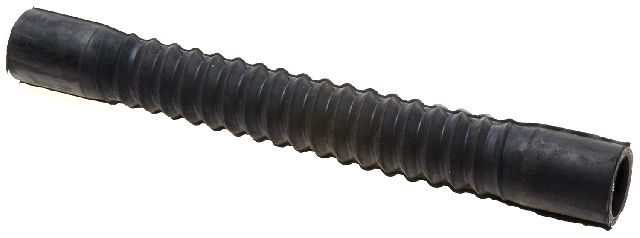
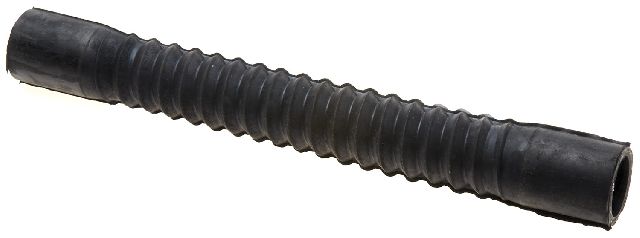
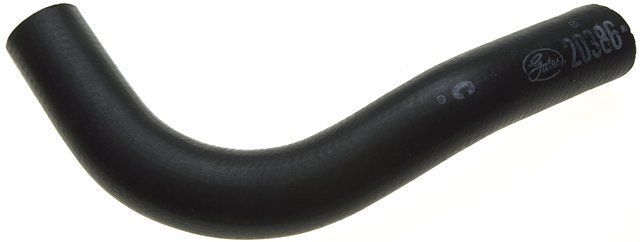
Always choose a molded hose for your Studebaker. Molded hoses are pre-shaped to the exact bends and curves needed for your specific engine bay. This ensures a perfect fit, prevents kinks that restrict coolant flow, and stops the hose from rubbing against other components. Universal or flexible hoses can work in an emergency, but they do not provide the same reliable fit or optimal flow.
Brand Spotlight: Gates
Gates is a highly reputable manufacturer of aftermarket hoses and is often preferred by classic car owners for its quality and fitment. Their molded hoses are designed to meet or exceed original equipment specifications and are made with modern materials that resist collapse and electrochemical degradation, which is a primary cause of hose failure. For a classic truck like the 6E10, a quality molded hose from Gates is a reliable choice.
Don't Forget the Clamps and Spring!
When replacing your hoses, it's also the perfect time to replace the hose clamps. New worm-gear or spring-style clamps will provide a more secure seal than the tired originals. Also, inspect your old lower hose for an anti-collapse spring. If your new hose doesn't include one, carefully transfer the old spring into the new hose to prevent it from sucking flat.
Typical Costs for Radiator Hose Replacement
Replacing the radiator hoses on a 1961 Studebaker 6E10 is an affordable and highly recommended maintenance item. Prices are for a set of upper and lower hoses.
| Part Type | Price Range |
|---|---|
| New Aftermarket (Gates) | $22.80 - $37.52 |
| Shop Labor | $90 - $150 |
Frequently Asked Questions (FAQ)
How many radiator hoses does my 1961 Studebaker 6E10 have?
Your truck has two main radiator hoses: an upper hose and a lower hose. You may also have several smaller heater hoses that circulate coolant to the heater core in the cab. It is best practice to replace the upper and lower radiator hoses at the same time.
Can I use a universal flexible hose?
It is strongly recommended to use a molded hose made specifically for your vehicle. A universal hose can be difficult to route without kinking, which restricts coolant flow and can lead to overheating. A molded hose from a brand like Gates will ensure a perfect fit and proper function.
My new lower hose didn't come with a spring. Is that a problem?
Yes, it can be. That internal spring prevents the hose from collapsing under suction from the water pump. While some modern hoses are built with materials that resist collapse, it is safest to transfer the spring from your old hose to the new one if it does not come equipped with one.
What type of coolant should I use in my Studebaker?
For this era of vehicle, a conventional IAT (Inorganic Acid Technology) ethylene glycol coolant is the correct choice. This is typically the classic "green" antifreeze. Mix it 50/50 with distilled water for proper protection.
Technical Specifications
The 1961 Studebaker 6E10 was available with either a 6-cylinder or a V8 engine (commonly the 259 cu. in. V8), which require different hose shapes. Hoses must be molded to fit the specific engine configuration. The cooling system uses conventional green IAT coolant.
We Have This Part in Stock

The information in this article is provided for general reference and educational purposes only. Vehicle specifications, procedures, and part compatibility can vary by production date, trim level, and region. Always consult your vehicle's factory service manual and verify part numbers before purchasing or performing repairs. Safety-critical components such as airbags, seat belts, and braking systems should be installed by a qualified professional.