

Accessory Drive Belt Guide for the 1961 Studebaker 6E10
Keep your classic Studebaker truck's essential components running properly with the right V-belt.
- Your 1961 Studebaker 6E10 uses a V-belt system, not a modern serpentine belt.
- A failing belt will cause squealing, overheating, or a dead battery; replace it at the first sign of wear.
- Modern aftermarket brands like Gates and Continental are superior to any original or New Old Stock (NOS) belts.
- Replacement is a simple, low-cost DIY job for most owners with basic tools.
Signs of a Failing Accessory Drive Belt
A worn-out V-belt on your Studebaker 6E10 will give clear warnings before it fails completely. Since this belt powers critical systems, it's important to address these signs promptly to avoid a breakdown.
- Squealing Noises: A high-pitched squeal, especially when you start the engine or accelerate, is the most common symptom. This sound indicates the belt is loose or its surface has become smooth and is slipping on the pulleys.
- Visible Damage: Regularly inspect the belt for signs of wear. Look for cracks, fraying, missing chunks, or a shiny, glazed appearance. Old rubber becomes brittle and will crack with age and heat.
- Charging System Problems: If the "GEN" light on your dashboard flickers or stays on, the belt might be slipping and failing to spin the generator fast enough to charge the battery.
- Engine Overheating: A broken or severely slipping belt will not turn the water pump correctly, leading to a rapid increase in engine temperature. This can cause serious engine damage.
Choosing the Right Aftermarket Belt
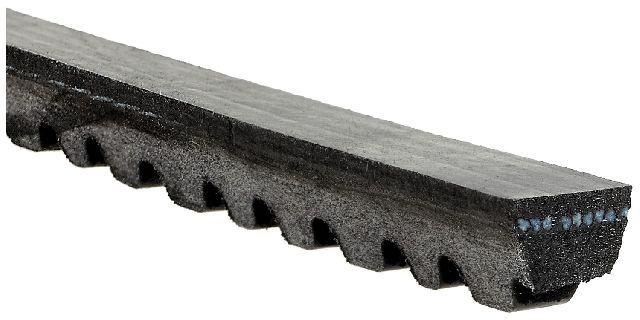
Original Studebaker belts are a thing of the past. While you might find a "New Old Stock" (NOS) part, a rubber belt that has been sitting on a shelf for decades is not reliable. Modern aftermarket belts from brands like Gates and Continental are made with superior EPDM rubber compounds that resist heat, oil, and cracking far better than the original materials. These belts are designed to be maintenance-free and provide long-lasting performance.
A Note on Part Numbers
A Studebaker service bulletin from 1961 noted a change in the generator pulley size on V8 models during the production year, which also affected some trucks. This change required a different, slightly shorter fan belt. While your 6E10 likely has a 6-cylinder engine, it's crucial to verify your specific setup. Always measure your old belt or cross-reference part numbers to ensure you purchase the correct length.
Accessory Drive Belt Costs for Your Studebaker 6E10
| Part/Service | Estimated Cost |
|---|---|
| New Aftermarket Belt (Continental, Gates) | $7.35 - $33.48 |
| Shop Labor | $50 - $100 |
| New OEM | Not Available |
Note: Prices are estimates and may vary. Labor costs are based on a typical shop rate for a simple job.
Frequently Asked Questions
Can I replace the accessory drive belt myself?
Yes, this is a very DIY-friendly job on a 1961 Studebaker. The process typically involves loosening the generator's mounting bolts, pivoting it to release belt tension, swapping the belt, and then re-tensioning it. This usually requires only basic hand wrenches and can be done in under an hour.
How do I get the right tension on the new belt?
Proper tension is crucial. If the belt is too tight, it can damage the bearings in your generator and water pump. If it's too loose, it will slip and squeal. A general rule is that at the longest point between pulleys, you should be able to twist the belt about 90 degrees (a quarter turn) with your fingers.
Are modern belts better than the originals?
Absolutely. Modern belts from reputable brands like Gates and Continental are made from advanced EPDM rubber compounds. They are far more resistant to heat, oil, and aging than the belts made in the 1960s, ensuring a longer service life.
Are there any recalls for the 1961 Studebaker 6E10 drive belt?
No, there are no active safety recalls from the NHTSA for the accessory drive belt on this vehicle. Any service bulletins were issued decades ago and are not tracked in modern databases.
Technical Specifications
OEM Part Numbers: 536762 440448 529374
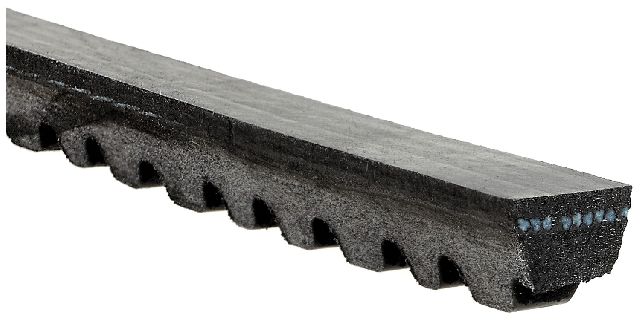
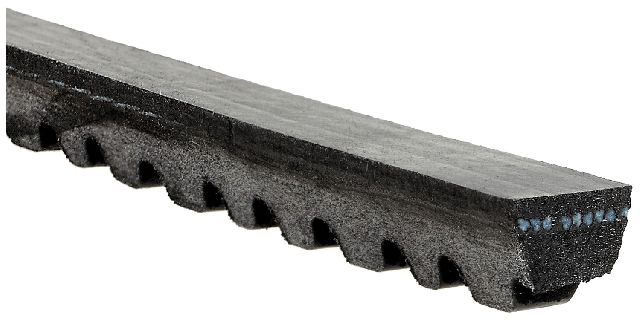
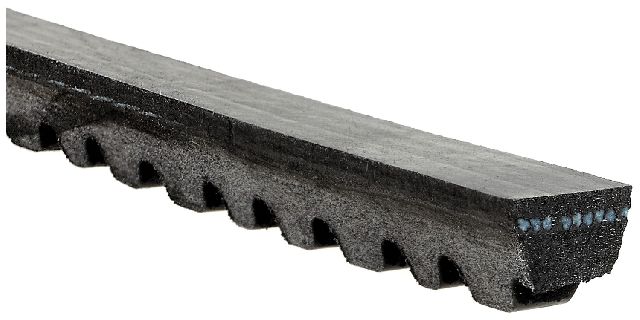
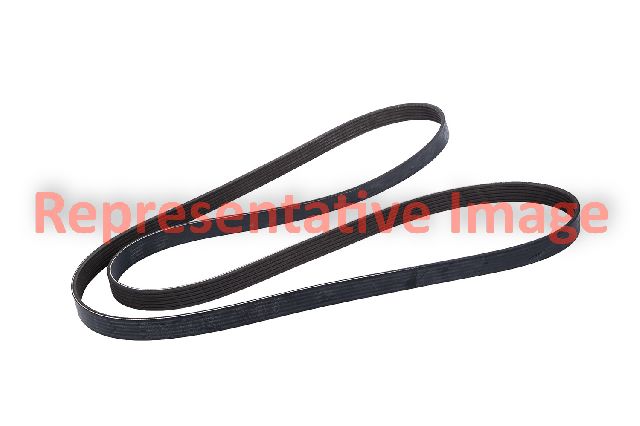
The system uses a V-belt design. Belt length and specific part number can vary based on the generator pulley size used during the 1961 production year. Common aftermarket belts are made of EPDM rubber and may be notched for flexibility.
We Have This Part in Stock

The information in this article is provided for general reference and educational purposes only. Vehicle specifications, procedures, and part compatibility can vary by production date, trim level, and region. Always consult your vehicle's factory service manual and verify part numbers before purchasing or performing repairs. Safety-critical components such as airbags, seat belts, and braking systems should be installed by a qualified professional.