

Choosing the Right Spark Plugs for Your 1960-1977 Dodge Dart
Get the right spark for your Slant-6 or V8 to improve performance and reliability.
- Verify your engine (Slant-6 or V8) and year, as spark plug requirements (especially seat type) changed.
- Standard copper plugs from brands like NGK or Champion are the recommended choice for stock ignition systems.
- Always check and set the spark plug gap to 0.035" unless your manual specifies otherwise.
- For Slant-6 engines made before 1975, you may need to remove the gasket ring from certain modern replacement plugs.
Signs of Failing Spark Plugs in Your Dart
Worn-out spark plugs can cause a variety of noticeable problems. Because these cars use a simple, distributor-based ignition system, the health of the spark plugs is crucial for a smooth-running engine. Look out for these common symptoms:
- Rough Idle: The engine may shake or run unevenly when stopped.
- Difficulty Starting: A weak spark makes it harder for the engine to fire up, especially when cold.
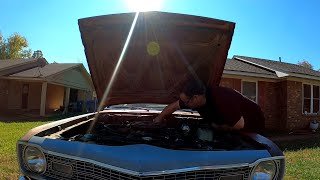
- Engine Misfires: You might feel a hesitation or stumble during acceleration. 🎬 Watch this video to troubleshoot a misfire on a 1973 Dart. This happens when a cylinder fails to ignite properly.
- Reduced Fuel Economy: Inefficient combustion means you'll be visiting the gas station more often.
- Poor Acceleration: If your Dart feels sluggish or lacks its usual power, worn plugs could be the culprit.
Choosing the Right Aftermarket Spark Plug
For a classic vehicle like the 1960-1977 Dodge Dart, you have several good aftermarket options. The most important factor is ensuring you get the correct plug for your specific engine (e.g., 225 Slant-6, 318 V8) and cylinder head, as specifications changed over the years. For these vintage engines, traditional copper plugs are often the best choice, but some owners with upgraded ignitions see benefits from modern plug types.
Brand Quality Tiers
Tier 1: Trusted & Recommended (NGK, Champion)
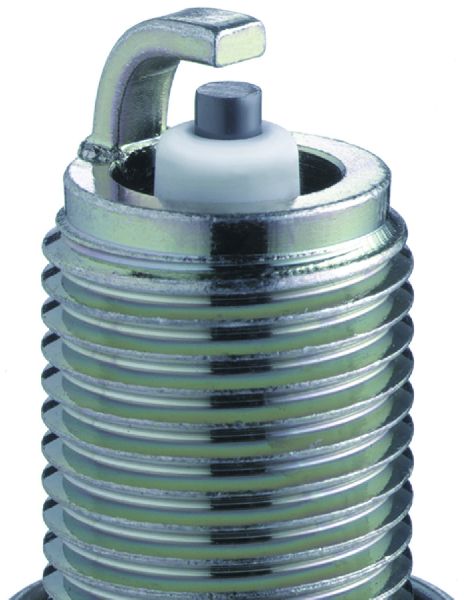
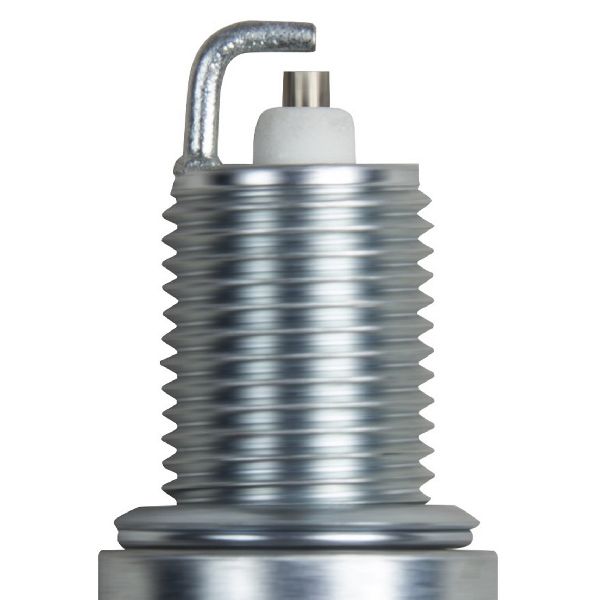
Many classic Mopar owners and mechanics swear by NGK and Champion plugs. Champion was often the original equipment manufacturer (OEM) for Chrysler during this era, making them a historically accurate and reliable choice. Forum discussions among Dart owners frequently recommend specific NGK plugs, like the ZFR5N for many Slant-6 engines, 🎬 See this walkthrough on how to switch plugs on a Slant-6. for their quality and performance. These brands offer excellent quality control and consistent performance right out of the box.
Tier 2: Solid & Dependable (Autolite, Denso)
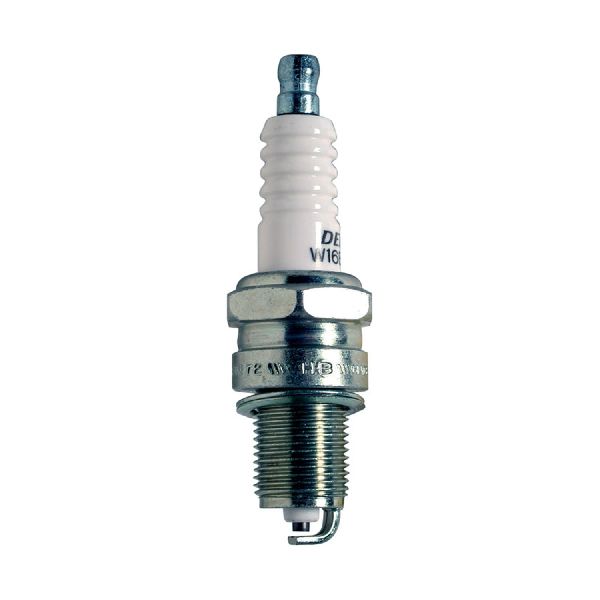
Autolite and Denso are also very reputable brands that offer quality replacement plugs. Some long-time mechanics have noted a decline in Autolite's quality in recent years, but many still use them with good results. Denso, a major Japanese parts supplier, is known for high-quality manufacturing and is a great alternative if your preferred NGK or Champion plug is unavailable.
Tier 3: Budget & Performance (Bosch, MSD, Accel, Skyward)
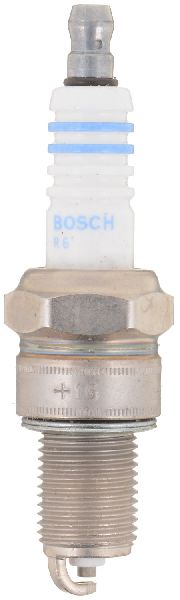
Brands like Bosch, MSD, and Accel often cater more to the performance market. While Bosch makes a wide range of plugs, some owners in forums have reported mixed results in vintage applications compared to NGK or Champion. MSD and Accel are better known for performance ignition systems but also offer compatible spark plugs. Skyward is generally considered a budget-friendly option. For a stock daily driver, sticking with the trusted brands in Tiers 1 and 2 is usually the safest bet.
Aftermarket Spark Plug Cost
| Type | Price Range (Single Plug) | Notes |
|---|---|---|
| Standard Copper (Recommended) | $3.50 - $8.00 | The best choice for most stock engines. Provides great performance but has a shorter lifespan. |
| Platinum / Iridium | $8.00 - $25.00 | Longer life, but may not offer a significant performance benefit on a stock vintage ignition system. |
| Full Set (6 or 8 plugs) | $21.00 - $82.00+ | Price varies by brand, plug type, and cylinder count. The high end reflects a full set of performance iridium plugs. |
Known Issues, Recalls, and Service Bulletins
For a vehicle of this age, there are no active recalls or modern-style Technical Service Bulletins (TSBs) from the NHTSA related to spark plugs. Any issues are typically related to age, wear, or incorrect part selection. A common mistake is using the wrong spark plug for the cylinder head year. For example, on Slant-6 engines, the spark plug seat type changed around 1975 from a gasket seat to a taper seat, requiring a different plug design. Using the wrong one can cause poor sealing and performance issues.
Frequently Asked Questions
What is the correct spark plug gap for my Dodge Dart?
The recommended gap is typically 0.035 inches for most applications 🎬 Watch: How to gap your new spark plugs properly. from this era. However, you should always verify with a service manual for your specific year and engine. If you have an upgraded electronic ignition system, you may be able to run a slightly wider gap.
How often should I change the spark plugs?
For standard copper spark plugs, a good rule of thumb is to inspect them every year and replace them every 10,00 to 15,000 miles or every two years to keep your engine running at its best.
Should I use copper, platinum, or iridium plugs?
For a stock 1960-1977 Dodge Dart, standard copper plugs are the best choice. They are inexpensive and conduct electricity very well, which works perfectly with the original ignition system. Platinum and iridium plugs are designed for modern high-energy ignition systems and, while they last longer, they won't necessarily provide better performance in your classic Dart and are not worth the extra cost for most owners.
Do I need to use anti-seize on the threads?
This is a topic of debate. Some plug manufacturers like NGK advise against it because their plugs have a special plating that prevents seizing. If you do use anti-seize, use it very sparingly on the threads only and reduce the torque setting by about 10-15% to avoid over-tightening.
What's the difference between gasket seat and taper seat plugs?
It refers to how the spark plug seals against the cylinder head. Pre-1975 Slant-6 engines generally use a gasket seat plug (with a small metal washer), while later models use a tapered seat with no gasket. It is critical to use the correct type for your engine's cylinder head to ensure a proper seal.
Helpful Videos

Technical Specifications
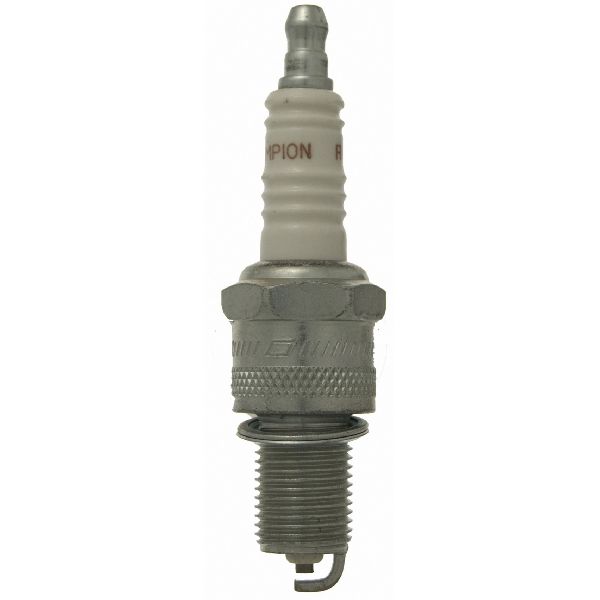
OEM Part Numbers: Champion J11 Champion N14Y Autolite 985
Engine Type: Slant-6 (170, 225 cid), V8 (273, 318, 340, 361, 383 cid) Spark Plug Gap: 0.035 inches (verify with service manual) Seat Type: Gasket (pre-1975) or Tapered (1975-onward for some engines)
We Have This Part in Stock


The information in this article is provided for general reference and educational purposes only. Vehicle specifications, procedures, and part compatibility can vary by production date, trim level, and region. Always consult your vehicle's factory service manual and verify part numbers before purchasing or performing repairs. Safety-critical components such as airbags, seat belts, and braking systems should be installed by a qualified professional.