

Ford Ranchero Brake Drum Guide: Choosing the Right Part for 1960-1970 Models
Get the right brake drums for your classic 1960-1970 Ford Ranchero the first time.
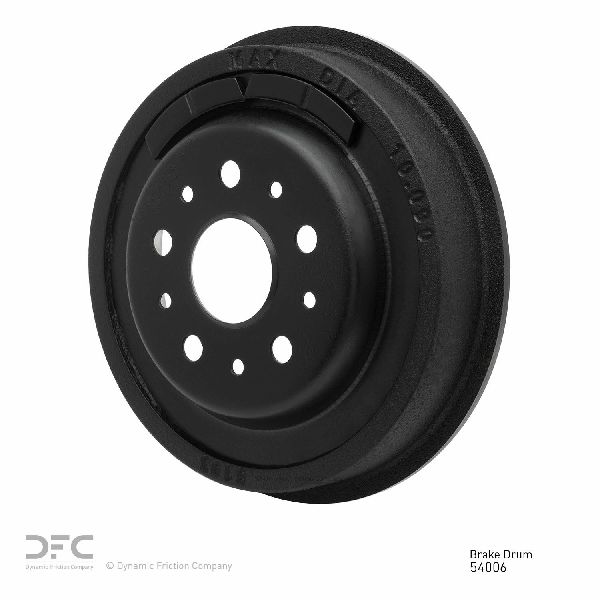
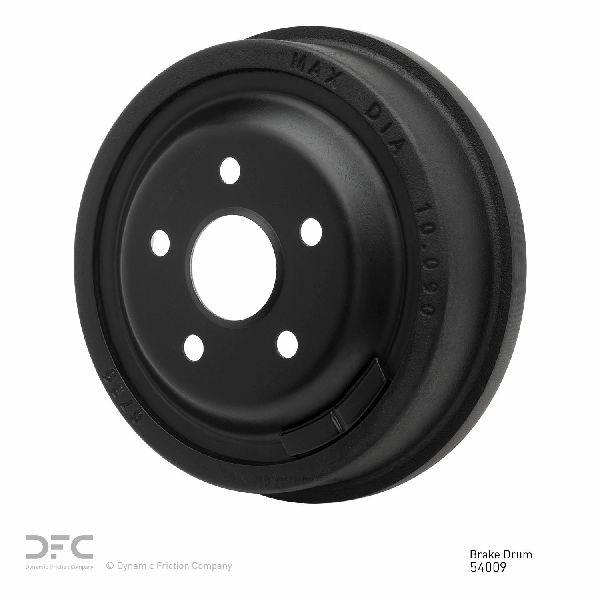
- Verify your lug pattern (4-lug vs. 5-lug) before ordering, as it varied between 6-cylinder and V8 models.
- Be prepared for front drums to be attached to the wheel hub; you may need a machine shop to press them apart.
- Always replace brake drums, shoes, and hardware in pairs on the same axle for safe, even braking.
- For best results, consider having a shop verify the balance of new drums before you install them.
Is It Time for New Brake Drums?
Brake drums are built to be tough, but they wear out over time. The metal gets thinner as the brake shoes rub against it. If you notice any of the signs below, it’s time to inspect your brakes. For a classic like the Ranchero, finding original Ford parts is nearly impossible. Today's aftermarket parts are the standard replacement, often made with modern materials that meet or exceed original quality.
Symptoms of a Bad Brake Drum
- Pulsating Brake Pedal: If you feel a vibration or pulse in the brake pedal when you press it, your drums may be "out-of-round" and no longer perfectly circular.
- Scraping or Grinding Noises: A loud scraping sound is a serious warning. It usually means the brake shoes are worn out and metal is grinding against the drum, causing damage.
- Loose Parking Brake: If your parking brake handle pulls up higher than it used to, or the truck still rolls slightly when it's engaged, your rear drums and shoes could be worn too thin.
- Reduced Stopping Power: If your Ranchero takes longer to stop or the pedal feels soft and spongy, your drums might be worn beyond their safe limit.
Common Ordering Mistake: Check Your Lug Pattern!
The 1960-1970 Ranchero was based on the Falcon, Fairlane, and Torino platforms, leading to variations. Six-cylinder models often came with 4-lug wheels, while V8 models typically used a 5-lug pattern. Before you order, count the lugs on your wheels to ensure you get the correct drums.
Choosing the Right Aftermarket Brake Drum
Since new Ford-branded drums for this era aren't available, you'll be choosing from aftermarket brands. Quality can vary, so it's important to know the players.
- Good - Economy Tier (Pronto, Dynamic Friction): These brands offer a budget-friendly solution. They are functional replacements but may not have the same level of quality control or longevity as premium brands.
- Better - Standard Tier (Bendix, Raybestos): These are well-known brands that have been around for a long time. Bendix is generally considered a reliable, economical choice. Raybestos quality has mixed reviews from classic car owners; some report perfect fitment while others have had issues with quality control and balance right out of the box.
- Best - Premium Tier (Centric): Centric is often seen as a higher-quality aftermarket brand and is the parent company of performance brands like Stoptech. They generally have a good reputation for fit and finish, though like any brand, isolated issues can occur.
Pro Tip: Check Balance on New Drums
Many classic car owners report that new drums, regardless of brand, can sometimes be slightly out of balance or out-of-round from shipping. For the best performance, consider having a machine shop check the balance and give them a light "turning" on a brake lathe before installation.
Cost to Replace 1960-1970 Ranchero Brake Drums
Prices are estimates. Costs can vary by region and the specific condition of your vehicle. It is always recommended to replace brake shoes and hardware at the same time as the drums.
| Part/Service | Estimated Cost |
|---|---|
| New Aftermarket Drum (Pair) | $130 - $202 |
| Brake Shoes & Hardware Kit | $40 - $70 |
| Shop Labor (Per Axle) | $150 - $300 |
| Total DIY Cost (Parts Only) | $170 - $272 |
| Total Professional Install | $320 - $572 |
Front Hubs May Be Attached to Old Drums
Be aware that on many older Fords, the front brake drum and wheel hub were assembled as one piece, sometimes held together by rivets. New aftermarket drums do not include the hub. You will likely need to take your old hub/drum assembly and your new drums to a machine shop to have the hub pressed out of the old drum and into the new one. This is a critical step that can surprise DIYers.
Frequently Asked Questions (FAQ)
Are there any recalls on 1960-1970 Ranchero brake drums?
No. A search of the National Highway Traffic Safety Administration (NHTSA) database shows no specific recalls for brake drums on this generation of Ford Ranchero.
Should I replace drums in pairs?
Yes, always. You must replace the brake drums on both sides of an axle at the same time. Replacing only one can cause the vehicle to pull to one side during braking, creating a safety hazard.
Do I need to replace my brake shoes with the drums?
It is highly recommended. Installing new drums with old, worn shoes will create poor contact, reduce braking performance, and wear out your new drums much faster. For a complete and safe brake job, always replace the shoes and the hardware kit (springs and clips) when you install new drums.
Why is my old brake drum stuck?
After decades of service, rust can effectively weld the drum to the hub. On front brakes, the hub and drum may be a single unit that needs to be pressed apart. For rear drums, you may need to use penetrating oil and a hammer (carefully, on the hub face) to break it free. Ensure the parking brake is off and the brake adjuster is backed off.
Technical Specifications
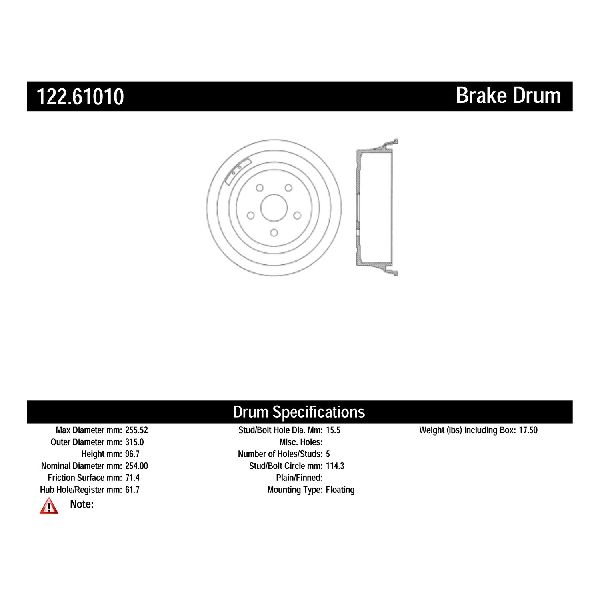
The most critical specifications to verify are your vehicle's lug pattern (e.g., 4-lug or 5-lug), the drum's inner diameter (commonly 10 inches), and the brake shoe width (e.g., 2", 2.25"). Always measure your old parts before ordering replacements.
We Have This Part in Stock

The information in this article is provided for general reference and educational purposes only. Vehicle specifications, procedures, and part compatibility can vary by production date, trim level, and region. Always consult your vehicle's factory service manual and verify part numbers before purchasing or performing repairs. Safety-critical components such as airbags, seat belts, and braking systems should be installed by a qualified professional.