

Ford Falcon Automatic Transmission Mount: A Replacement Guide (1960-1970)
Stop the clunking and shaking in your classic Falcon by replacing a worn-out transmission mount.
- Symptoms of a bad mount include clunking noises when shifting, excessive vibration, and visible transmission movement.
- Replacement is a simple, low-cost DIY job that can be done in about an hour with basic tools.
- Choose a standard rubber mount (Anchor, DEA, Westar) for a stock ride or a polyurethane mount (Prothane) for durability and performance, which may add some vibration.
- While you're replacing the transmission mount, it's a good idea to inspect and likely replace your engine mounts as well.
Is Your Falcon's Transmission Mount Failing?
After decades of use, the original rubber on a transmission mount will dry out, crack, and eventually fail. When it does, you'll notice some distinct problems. Ignoring these signs can lead to damage to other drivetrain parts, so it's a repair you shouldn't put off.
Key Symptoms of a Bad Mount:
- Clunking or Banging Noises: The most common sign is a loud clunk when you shift from park into drive or reverse. You might also hear it during hard acceleration or braking as the transmission shifts and hits the frame.
- Excessive Vibrations: If you feel new or worsening vibrations through the floor or steering wheel while driving or idling, the mount's rubber is likely no longer absorbing them.
- Visible Engine and Transmission Movement: A worn mount will allow the transmission to move excessively. Have a helper put the car in gear with the brakes held firmly while you (safely) observe the transmission from the side. If you see it lurch or lift significantly, the mount is bad.
Can I Drive with a Bad Transmission Mount?
It is not recommended. While the car may still move, a completely failed mount can cause the transmission to move excessively, potentially damaging the driveshaft, exhaust system, and even the transmission case itself. It's best to replace it as soon as symptoms appear.
Choosing the Right Aftermarket Mount
For a classic car like the 1960-1970 Falcon, you won't be finding a new OEM mount from Ford. The good news is that the aftermarket offers several options that are affordable and readily available. Your main choice will be between standard rubber and performance polyurethane.
Brand & Material Tiers
1. Standard Rubber Mounts (Good):
- Brands: Anchor, DEA, Westar, Pioneer Cable
- Best for: Owners seeking an original-style ride that's quiet and comfortable. These are direct replacements for the stock mount.
- Quality Notes: These brands are considered budget-friendly options. Forum discussions suggest that while they get the job done, their quality can be inconsistent. Pioneer is sometimes regarded as having a better finish, closer to the original factory parts. Anchor and Westar are widely used but some users report issues with fitment or material hardness. For a stock daily driver, any of these will work, but inspect the part before installation.
2. Polyurethane Mounts (Better/Performance):
- Brands: Prothane
- Best for: Owners who want improved durability and a more connected feel, especially on cars with more horsepower.
- Quality Notes: Polyurethane is much tougher than rubber and resistant to oil and road contaminants. Prothane is a well-known brand in this space. The trade-off is that polyurethane is stiffer, which means it will transfer more vibration and noise into the cabin compared to rubber. However, it provides better torque control and is less likely to fail.
Pro-Tip: Check Your Engine Mounts Too
The engine and transmission mounts work together as a system. If your transmission mount has failed, there's a good chance your engine mounts are also worn out. Replacing them all at the same time is a good practice to ensure a smooth-running drivetrain and prevent the new mount from failing prematurely.
Typical Replacement Costs
Replacing the transmission mount on a classic Falcon is one of the more affordable and straightforward repairs you can do.
| Item | Estimated Cost |
|---|---|
| New Aftermarket Part (Rubber) | $6 - $15 |
| New Aftermarket Part (Polyurethane) | $20 - $45 |
| Shop Labor | $75 - $150 |
| Total (DIY) | $6 - $45 |
| Total (Installed) | $81 - $195 |
Frequently Asked Questions (FAQ)
Is replacing a Falcon transmission mount a good DIY project?
Yes, this is a great project for a home mechanic. It requires basic hand tools, a floor jack, and jack stands for safety. The process involves supporting the transmission with the jack, unbolting the old mount from the crossmember and transmission, and bolting the new one in its place. The entire job can usually be done in under an hour.
Are there any recalls for the 1960-1970 Falcon transmission mount?
No. A search of the National Highway Traffic Safety Administration (NHTSA) database shows no recalls specifically related to the transmission mount for the 1960-1970 Ford Falcon. Any recalls found are for much newer Ford models and unrelated issues.
Will a polyurethane mount make my car vibrate too much?
It will increase vibration compared to a new rubber mount, but it might feel similar to or better than your completely failed old mount. For a performance-oriented car, the trade-off is often worth it for the added durability and control. For a stock cruiser, a standard rubber mount is usually the better choice for comfort.
Do I need any special tools for the replacement?
No special tools are required. You will need a basic socket and wrench set, a floor jack to support the transmission's weight, and jack stands to safely secure the vehicle while you work underneath it. A block of wood between the jack and the transmission pan helps to spread the load and prevent damage.
Technical Specifications
OEM Part Numbers: C1DZ-6068A
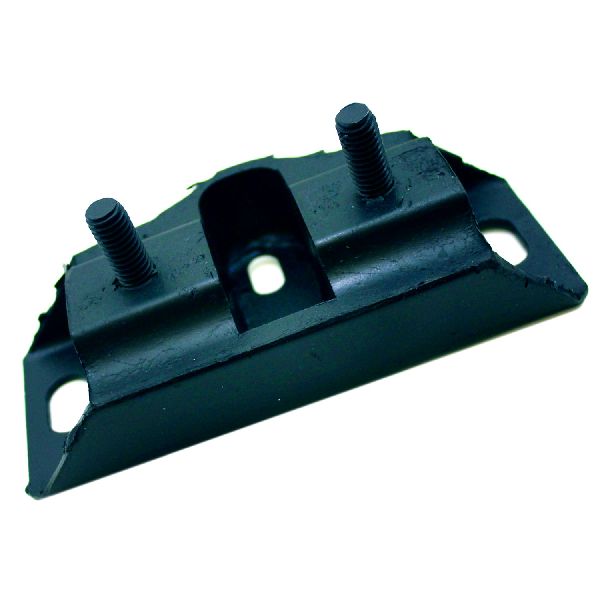
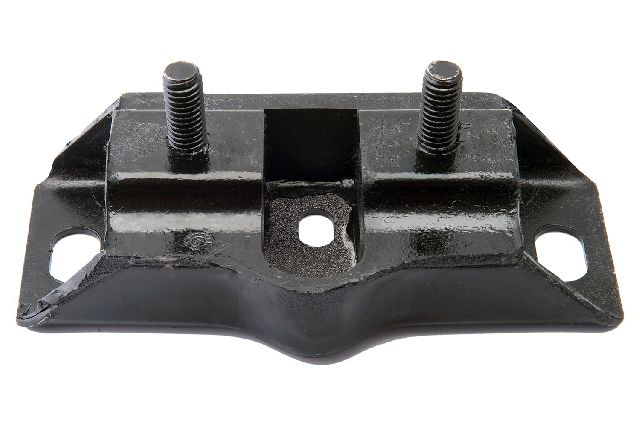
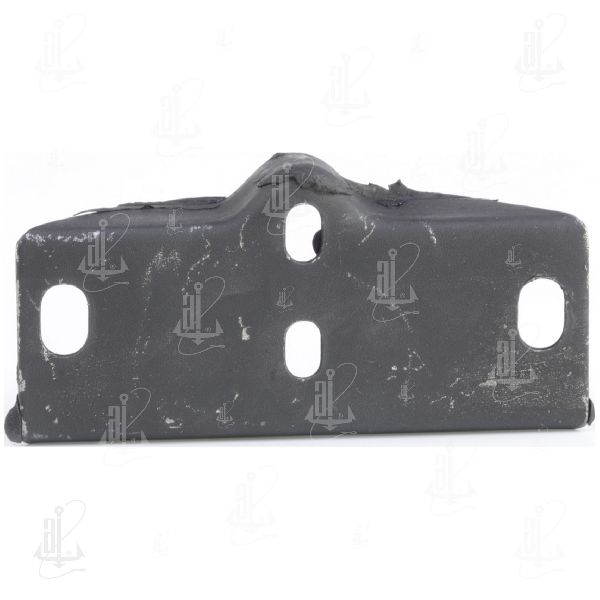
Single mount located on the transmission crossmember. Available in standard rubber or performance polyurethane materials. Secures the rear of the transmission to the vehicle frame.
We Have This Part in Stock


The information in this article is provided for general reference and educational purposes only. Vehicle specifications, procedures, and part compatibility can vary by production date, trim level, and region. Always consult your vehicle's factory service manual and verify part numbers before purchasing or performing repairs. Safety-critical components such as airbags, seat belts, and braking systems should be installed by a qualified professional.