

A Guide to the 1960-1969 Checker Aerobus Distributor Cap
Keep your classic Aerobus engine firing on all cylinders with the right distributor cap.
- You must identify your engine (Continental or Chevrolet) before ordering, as the cap is engine-specific.
- Symptoms of a bad cap include misfiring, hard starting, rough idle, and stalling.
- Always replace the distributor rotor at the same time as the cap for a complete repair.
- For best performance and longevity, choose an aftermarket cap with brass terminals.
Symptoms of a Failing Distributor Cap
A distributor cap is a maintenance item that wears out. The plastic can get brittle and crack, moisture can seep inside, and the metal terminals can corrode or build up with carbon. When this happens, the flow of spark is disrupted, leading to noticeable engine problems. Watch for these signs:
- Engine Misfires: The engine stumbles, shakes, or hesitates. You might feel a jerking sensation when accelerating.
- Hard Starting: The engine cranks for a long time before starting, or may not start at all. This can be worse in damp or cold weather.
- Rough Idle: When stopped, the engine runs unevenly and may cause the whole vehicle to vibrate.
- Stalling: The engine may suddenly shut off while you are driving or idling.
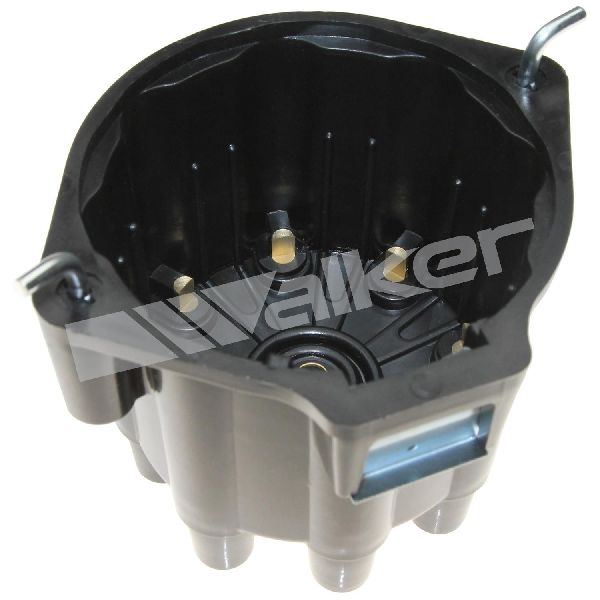
- Visible Damage: A visual inspection is the best test. Look for cracks in the plastic, white or green corrosion on the terminals, or black carbon tracks that look like pencil lines on the inside of the cap.
⚠️ Identify Your Engine Before You Buy
This is the most important step. During the 1960-1969 production run, Checker used different engines in the Aerobus. Early models often had a Continental inline-6, while later models used Chevrolet inline-6 or V8 engines. The distributor cap is engine-specific, not vehicle-specific. A cap for a Chevy V8 will not fit a Continental I6. Check your engine block for markings or consult a mechanic to be certain of what you have before ordering.
Choosing the Right Aftermarket Distributor Cap
For a vintage vehicle like the Aerobus, new Original Equipment Manufacturer (OEM) parts are no longer available. The market consists of New Old Stock (NOS), used parts, and new aftermarket parts. Modern aftermarket parts often benefit from better materials than what was available in the 1960s. Here’s how to choose between the available aftermarket options.
Tier 1: Good - Standard Replacement
A standard replacement cap from a reputable brand like Walker Products will get your Aerobus running reliably. These caps are designed to meet or exceed original factory specifications and are a cost-effective choice. They are made with modern materials that provide good insulation and durability for regular use.
Tier 2: Better - Premium Replacement with Brass Contacts
For improved performance and longevity, choose a premium cap from a brand like Standard Ignition. The key feature to look for is brass terminals instead of aluminum. Brass is a better conductor and is more resistant to corrosion, ensuring a stronger, more consistent spark over the life of the cap. While slightly more expensive, a premium cap is a worthwhile investment for a classic vehicle that may see periods of storage where corrosion can develop.
Pro Tip: Always Replace the Rotor
The distributor rotor is the spinning part inside the cap. It experiences the same high-voltage conditions and wears out just like the cap. This is a low-cost part that should always be replaced at the same time as the cap to ensure a complete and reliable ignition tune-up.
Distributor Cap Replacement Cost
The cost for a new aftermarket distributor cap for a 1960-1969 Checker Aerobus is very reasonable. The primary factor in price is the brand and the material of the contacts (aluminum vs. brass).
| Part Type | Price Range |
|---|---|
| New Aftermarket (Standard) | $24.44 - $32.00 |
| New Aftermarket (Premium w/ Brass) | $32.00 - $42.88 |
| New OEM | Not Available |
| Shop Labor | $50 - $100 |
Frequently Asked Questions
How do I know which distributor cap fits my Aerobus?
You must identify your engine first. The cap is matched to the engine, not the vehicle model. Check if you have a Continental I6, a Chevrolet I6, or a Chevrolet V8, as they all use different distributors and caps.
What is the difference between brass and aluminum contacts?
Brass contacts offer better electrical conductivity and superior corrosion resistance compared to the standard aluminum contacts. This provides a more reliable spark and a longer service life, making them a better choice for a classic vehicle.
Can I just clean my old cap instead of replacing it?
In an emergency, you can try cleaning corrosion or carbon buildup from the terminals to get the vehicle running. However, this is a temporary fix. If the cap has hairline cracks, carbon tracking, or significant wear, it must be replaced for reliable operation.
Is replacing a distributor cap a difficult job?
No, this is a very straightforward job for a DIYer with basic tools. The cap is held on by two clips or screws and is located at the top of the engine. The key is to transfer the spark plug wires from the old cap to the new cap one at a time to avoid mixing up the firing order.
Technical Specifications
Varies by engine. Must match distributor for Continental I6, Chevrolet I6, or Chevrolet V8 engines used in this period.
We Have This Part in Stock


The information in this article is provided for general reference and educational purposes only. Vehicle specifications, procedures, and part compatibility can vary by production date, trim level, and region. Always consult your vehicle's factory service manual and verify part numbers before purchasing or performing repairs. Safety-critical components such as airbags, seat belts, and braking systems should be installed by a qualified professional.