

Your Guide to the 1960-1968 Mercury Comet Distributor Cap
Keep your classic Comet running smoothly by understanding this critical ignition part.
- A failing distributor cap can cause misfires, hard starting, stalling, and rough idling.
- Always replace the distributor rotor at the same time as the cap for a complete tune-up.
- Verify your Comet's engine size (inline-6 or V8) before ordering to ensure a correct fit.
- Aftermarket brands like Standard Ignition and Walker Products offer reliable, affordable options for this vehicle.
Signs of a Failing Distributor Cap in Your Comet
A distributor cap is a wear-and-tear item. Because it operates under high voltage and in extreme conditions, it will eventually need to be replaced. When your Comet's distributor cap starts to fail, it can't do its job of sending spark to the right place at the right time. This can cause several noticeable problems.
- Hard Starting or No Start: A cracked or corroded cap can make it difficult to start your engine, especially in cold or damp weather. In some cases, the engine will crank but won't start at all.
- Engine Misfires and Rough Idling: You might feel the engine shaking or running unevenly, particularly when idling at a stoplight. This happens because worn terminals or cracks in the cap prevent consistent voltage from reaching the spark plugs.
- Stalling and Backfiring: If the cap is broken, the rotor can't transfer electricity properly, causing the engine to lose power and stall. You might also hear a backfire from the exhaust.
- Vehicle Shaking: A faulty cap can mess up the engine's timing, leading to a vibration or a more intense shaking that you can feel throughout the car.
- Visible Damage: The easiest way to check for a problem is to look at the cap itself. Open your hood and inspect the distributor cap for cracks, corrosion on the metal terminals, or signs of carbon tracking (thin black lines).
Aftermarket Distributor Cap Cost for 1960-1968 Mercury Comet
| Part Type | Price Range |
|---|---|
| New Aftermarket Distributor Cap | $21.55 - $37.93 |
| Shop Labor | $40 - $70 |
Prices are estimates and can vary based on your vehicle's engine (6-cylinder vs. V8), location, and the specific brands chosen.
Choosing the Right Aftermarket Cap
For a classic car like the 1960-1968 Mercury Comet, finding original Ford (OEM) parts is difficult. Most available parts are New Old Stock (NOS), which can be very expensive, or used. Aftermarket parts are the most common and affordable choice. The quality of modern aftermarket parts is generally very good.
Standard Ignition (Standard Motor Products): This is a well-known and trusted brand in the aftermarket world, with a history of making quality ignition parts for American vehicles. Their caps are often made with high-dielectric materials to resist electrical breakdown and feature solid brass terminals for better connections. For a stock or mildly modified Comet, Standard Ignition is a reliable choice.
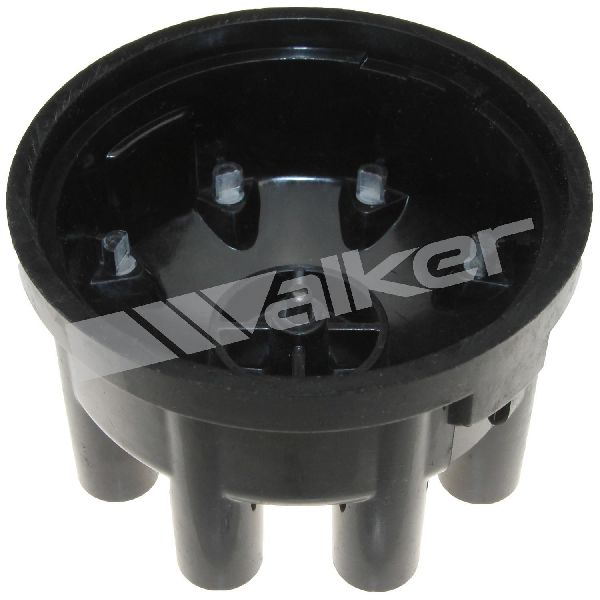
Walker Products: Walker is another brand that produces a wide range of engine management components. They design their distributor caps to meet or exceed original specifications and use durable materials to withstand heat and vibration. They are a suitable and budget-friendly option for a standard tune-up.
Pro Tip: Check Your Engine
The Mercury Comet was available with different engines over its life, including various inline-6 and V8 options. A distributor cap for a 6-cylinder engine will not fit a V8, and vice-versa. Always confirm your engine size (e.g., 170ci, 200ci, 289ci) before ordering to ensure you get the correct part.
Frequently Asked Questions (FAQ)
Should I replace the rotor with the distributor cap?
Yes. It is highly recommended to replace the distributor rotor at the same time as the cap. The rotor is an inexpensive part that works directly with the cap and wears out at a similar rate. Replacing both at the same time is a standard part of a tune-up and ensures the reliability of your ignition system.
How often should the distributor cap be replaced?
Distributor caps are considered a maintenance item. For a classic car that may not be driven daily, it's best to inspect the cap and rotor annually. A good rule of thumb is to replace them during a major tune-up or whenever you replace your spark plug wires. Look for signs of wear like cracks, corrosion, or carbon buildup on the terminals.
What is the difference between brass and aluminum terminals?
Distributor cap terminals can be made of aluminum or brass. Brass is generally considered superior as it offers better conductivity and is more resistant to corrosion and electrical pitting over time. While some original service replacement parts may have used aluminum, a quality aftermarket cap with solid brass terminals is a better choice for long-term performance.
Can I replace the distributor cap myself?
Yes, this is a very DIY-friendly job for most owners. The distributor cap is typically held on by two clips or screws and is easily accessible on top of the engine. The main tools required are a screwdriver or a small wrench. The most important part of the job is to transfer the spark plug wires from the old cap to the new cap one at a time to ensure the engine's firing order is not mixed up.
Technical Specifications
OEM Part Numbers: B7A-12106-A
Fitment varies by engine. The 1960-1968 Mercury Comet used several inline-6 (144, 170, 200, 250 cid) and V8 (260, 289, 302, 390, 428 cid) engines. The cap must match the number of cylinders. Terminals are typically male (post) style and connect to the spark plug wires.
We Have This Part in Stock


The information in this article is provided for general reference and educational purposes only. Vehicle specifications, procedures, and part compatibility can vary by production date, trim level, and region. Always consult your vehicle's factory service manual and verify part numbers before purchasing or performing repairs. Safety-critical components such as airbags, seat belts, and braking systems should be installed by a qualified professional.