

Engine Timing Set Guide for 1960-1967 Dodge D300 Series Trucks
Keep your classic Dodge D300 running strong by understanding when and how to replace its engine timing set.
- For a 1960-1967 D300, replacing the timing set is a preventative measure against major engine failure.
- Original nylon-toothed cam gears are a known failure point; any modern aftermarket set with all-metal gears is a significant upgrade.
- Choose a standard replacement from Cloyes or Melling for stock applications, or a double roller set from Edelbrock or Melling Select Performance for maximum durability.
- Due to the labor involved, it is highly recommended to replace the water pump and timing cover seals at the same time.
Is Your D300's Timing Set on Borrowed Time?
If you're driving a 1960-1967 Dodge D300, its original timing set has given you decades of service. However, these parts don't last forever. The original camshaft gears were often made with nylon teeth to keep the engine quiet. After 50+ years, this nylon can become brittle, crack, and fail. When a timing set fails, it can cause serious engine damage. Replacing it is not just a repair; it's a crucial investment in your classic truck's reliability.
Symptoms of a Failing Timing Set
A worn timing set will usually give you some warning signs. Listening to your engine is key. Here are the most common symptoms to watch for:
- Engine Rattle: The most common sign is a rattling or clattering noise from the front of the engine, especially when starting up or at idle. This is the sound of a loose chain slapping against the timing cover.
- Engine Misfires or Rough Running: As the chain stretches, it can throw off the valve timing. This can lead to a rough idle, poor acceleration, and general loss of power.
- Metal Shavings in Oil: When the gears and chain wear down, tiny metal particles can end up in the engine oil. If you see a metallic shimmer in your oil during a change, it's a major red flag.
- Check Engine Light: While your classic D300 may not have a check engine light, on later models this is a common symptom when the computer detects a timing issue. For your truck, poor performance is the equivalent warning.
Don't Ignore the Signs
A timing chain that has jumped a tooth or broken completely can cause the pistons to hit the valves. This results in catastrophic, and very expensive, engine damage. If you suspect a problem, it's best to stop driving the truck until it can be inspected.
Choosing the Right Aftermarket Timing Set
For a vehicle from the 1960s, new original equipment (OEM) parts are no longer available. The good news is that aftermarket companies offer excellent, and often superior, replacements. Your choice depends on your truck's engine and how you use it.
Engine-Specific Parts
The 1960-1967 D300 came with several engines, including the 225 Slant-6, 318 Poly V8, and later the 318 LA V8. The timing set is specific to your engine family, so ensure you order the correct part.
Brand & Quality Tiers
Aftermarket brands offer different levels of quality and performance. Here’s how the common brands stack up for your classic Mopar engine:
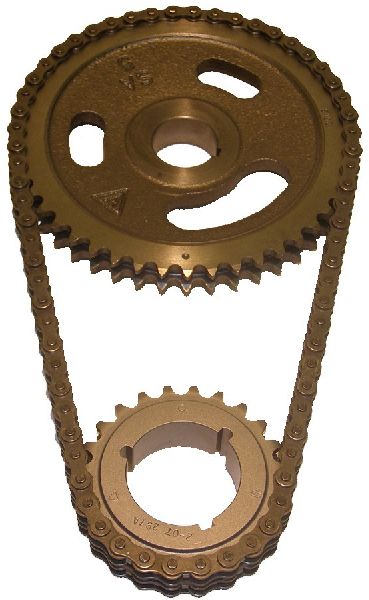
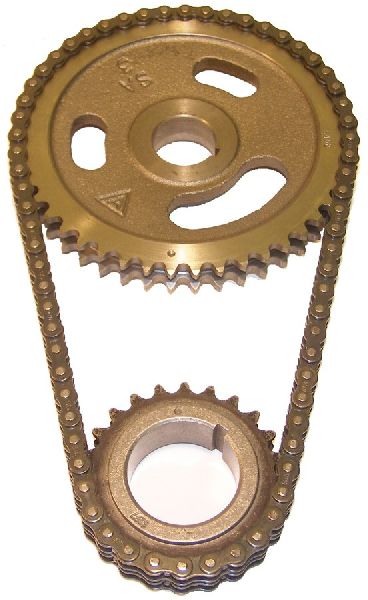
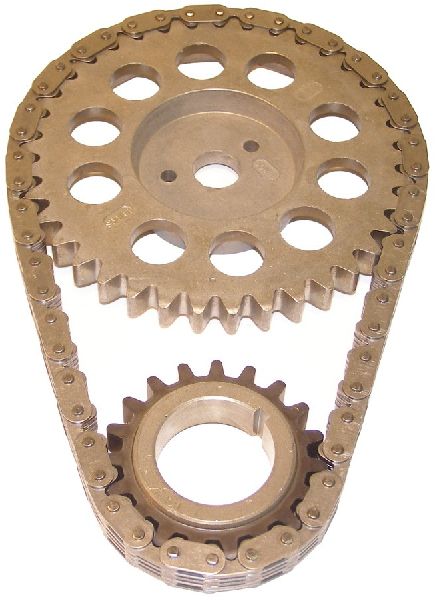
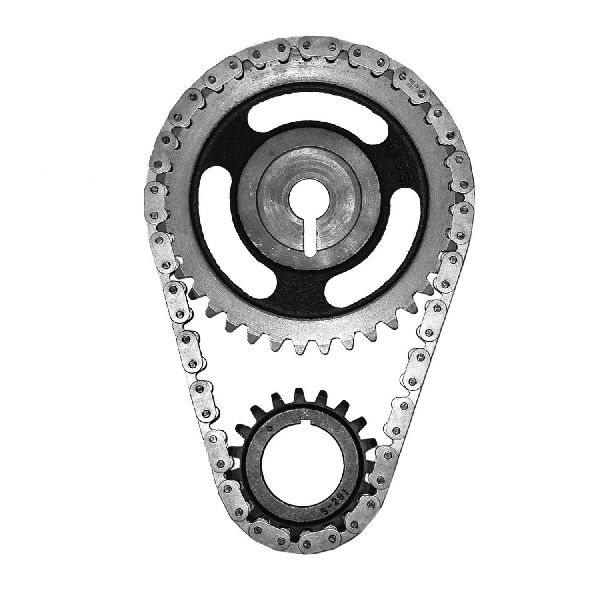
- Standard Replacement (Good): Brands like Cloyes and Melling are trusted names for OE-quality replacements. They offer durable, all-metal gear sets that are a significant upgrade over the original nylon-toothed gears. These are perfect for a stock restoration or daily driver.
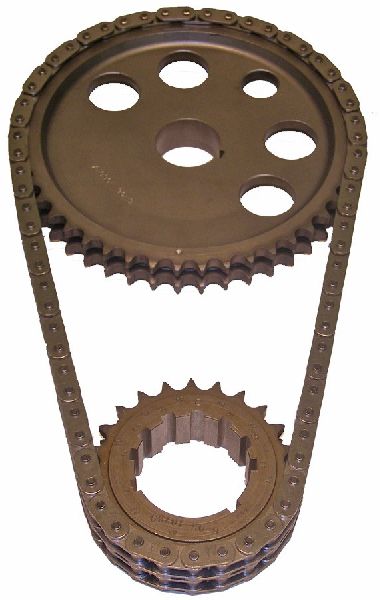
- Performance Upgrade (Better/Best): For modified engines or for maximum durability, look to brands like Edelbrock and Melling Select Performance. These brands offer "double roller" timing sets. A double roller chain is stronger and stretches less than a standard chain, ensuring your timing stays precise under heavy use. Many Mopar enthusiasts consider a double roller set to be a "forever" part.
Pro Tip: Upgrading to a double roller set is a popular choice for classic Mopar owners, even on stock engines. The added strength provides peace of mind and long-term reliability for a relatively small increase in cost.
Cost to Replace Your D300's Timing Set
The cost can be broken down into parts and labor. The job is moderately difficult and requires removing the radiator and timing cover to access the parts.
| Item | Estimated Cost |
|---|---|
| New Aftermarket Part | $40 - $170 |
| Shop Labor | $400 - $750 |
| Total Estimated Cost | $440 - $920 |
Frequently Asked Questions
What's the difference between a standard and a double roller timing set?
A standard timing chain is similar to a bicycle chain. A double roller chain uses two sets of rollers and links, making it much stronger and less prone to stretching over time. It's an upgrade for durability, especially on V8 engines.
Can I replace the timing set myself?
If you are an experienced home mechanic with the right tools, this job is doable. It requires draining the coolant, removing the radiator, water pump, harmonic balancer, and timing cover. You must be very careful to align the timing marks on the new gears correctly to avoid engine damage. For most owners, professional installation is recommended.
Do I need to replace the water pump at the same time?
Since you have to remove the water pump to get to the timing set, it is highly recommended to replace it at the same time. The labor is already being done, so you only pay for the new part. This prevents having to do a similar job twice.
Are there any recalls for the 1960-1967 Dodge D300 timing set?
No. There are no active recalls or Technical Service Bulletins (TSBs) from the NHTSA for the timing set on this vehicle. Any issues today are due to the age and wear of the original components.
Technical Specifications
Vehicle engines for this period include the 225 Slant-6, 318 Poly V8, and 318 LA V8. Timing sets are engine-specific. Aftermarket options include standard 'silent' chains and upgraded double-roller chains.
We Have This Part in Stock

The information in this article is provided for general reference and educational purposes only. Vehicle specifications, procedures, and part compatibility can vary by production date, trim level, and region. Always consult your vehicle's factory service manual and verify part numbers before purchasing or performing repairs. Safety-critical components such as airbags, seat belts, and braking systems should be installed by a qualified professional.