

Chevrolet P10 Series Starter Motor Replacement and Upgrade Guide (1960-1967)
Solve common starting problems in your classic P10 step van with the right new aftermarket starter.
- Confirm your flywheel size (153 or 168-tooth) before ordering to ensure the correct bolt pattern.
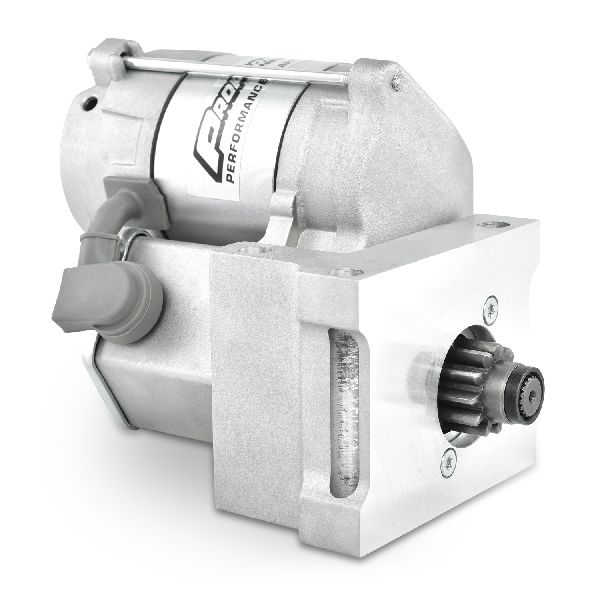
- For hot-start problems (heat soak), upgrade to a high-torque mini-starter from a brand like Powermaster or Proform.
- Symptoms like a single click, slow cranking, or grinding noises are strong indicators of a failing starter.
- Replacing the starter is a feasible DIY job for those with basic tools, but be prepared that shimming may be required for proper fitment.
Is Your P10 Van's Starter Failing?
A bad starter can leave you stranded. For a classic workhorse like the 1960-1967 Chevrolet P10, starting problems are a common headache, often related to age and heat. Recognizing the signs early can save you from needing a tow. Pay close attention to how your van sounds and acts when you turn the key.
Common Symptoms of a Bad Starter:
- Single Loud Click: You turn the key and hear one sharp click, but the engine doesn't crank. This often points to a bad starter solenoid, which is part of the starter assembly.
- Grinding Noise: A harsh grinding sound when you try to start the engine means the starter gear is not meshing correctly with the flywheel. Ignoring this can cause expensive damage to the flywheel's teeth.
- Slow, Labored Cranking: If the engine turns over very slowly, as if the battery is weak (but you know it's good), the starter motor itself may be wearing out and drawing too much power.
- No Sound at All: If your battery is charged and the lights work, but you get silence when you turn the key, the starter could be completely dead or there may be a wiring issue.
- Intermittent Starting: The van starts perfectly one day but refuses to crank the next. This is a classic sign of a starter that is about to fail completely.
Known Issue: Engine Heat Soak
Many classic Chevrolet engines suffer from "heat soak." This happens when the starter, located close to the hot exhaust manifold, gets so hot that its internal electrical resistance increases. The result is a starter that works fine when cold but struggles or fails to crank a hot engine. If you only have starting problems after the van has been running for a while, heat soak is the likely culprit. Upgrading to a modern, high-torque mini-starter is the best solution for this issue.
Choosing the Right Aftermarket Starter
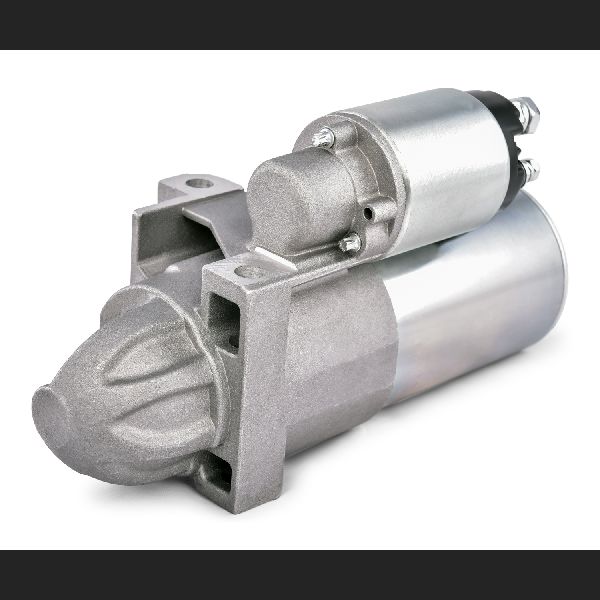
For a vintage vehicle like the P10, new original equipment (OEM) parts are no longer available. The aftermarket, however, provides excellent options that range from standard replacements to significant upgrades. For this application, a new aftermarket part is often a better choice than a remanufactured unit, which can have inconsistent quality.
Fitment is Critical: 153-Tooth vs. 168-Tooth Flywheel
Before you order, you must know what size flywheel (or flexplate for automatics) your P10 has. Chevrolet used two common sizes: 153-tooth and 168-tooth. They require starters with different bolt patterns. A 153-tooth flywheel uses a starter with a straight-across bolt pattern, while the 168-tooth uses a staggered, offset pattern. Ordering the wrong one will mean it won't bolt up to your engine. Check your original starter or engine block to confirm.
Aftermarket Brand Tiers
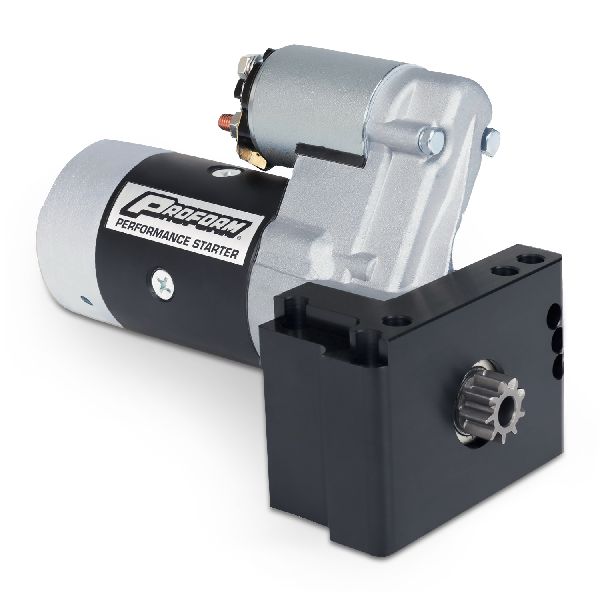
- Performance Tier (Powermaster, Proform): These brands specialize in high-torque, gear-reduction mini-starters. They are smaller, lighter, and more powerful than the original units. They provide faster cranking speeds and are the best solution for heat soak issues. Powermaster generally has a strong reputation for quality and reliability in classic Chevy applications. Proform is also a popular option, though some users report mixed long-term durability. Both may require shimming for proper gear engagement.
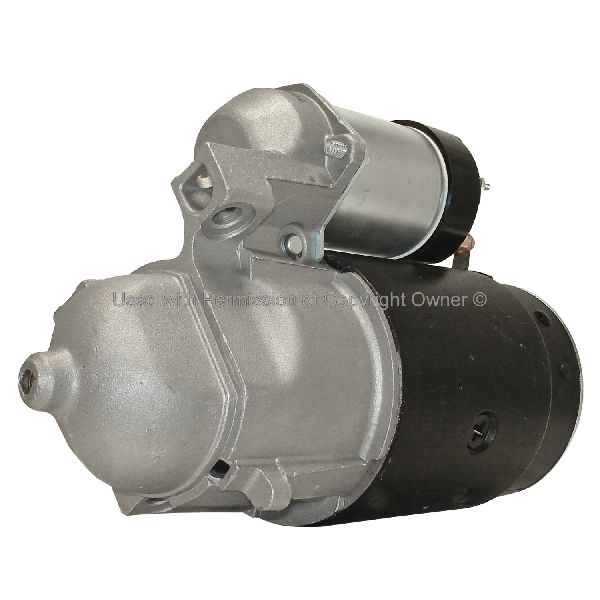
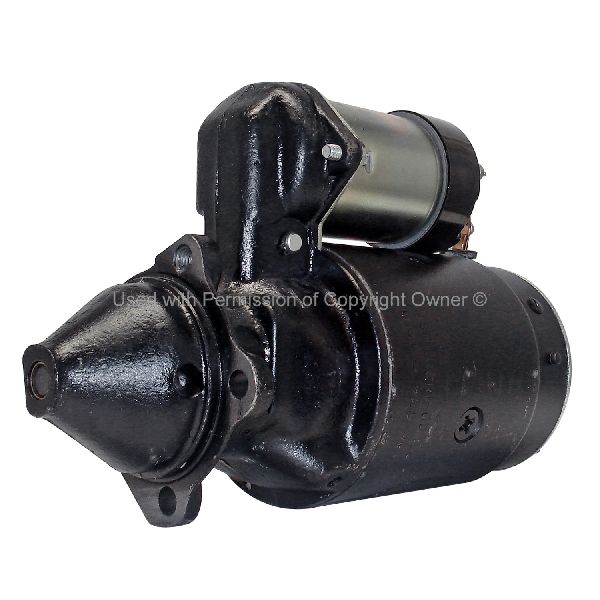
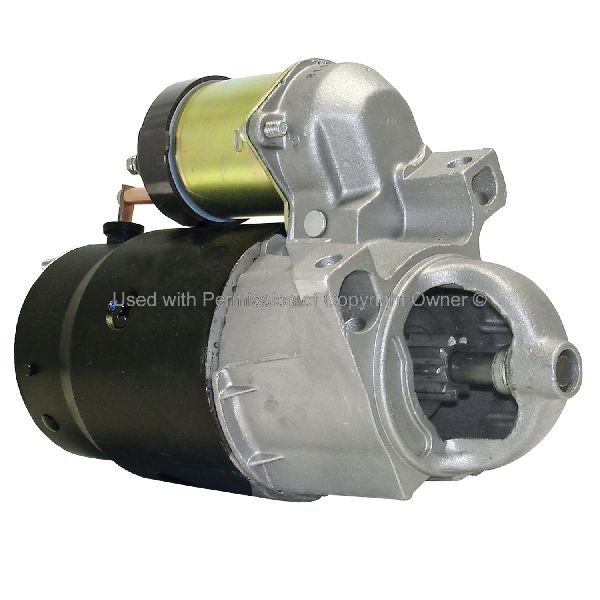
- Standard Replacement Tier (MPA): Brands like MPA (Motorcar Parts of America) offer new starters designed to meet or exceed original specifications. These are a good, reliable choice if you have a stock engine and are not experiencing heat-related starting problems. They are typically a direct fit and a cost-effective solution for getting your van back on the road.
Typical Replacement Costs
The cost of replacing a starter motor depends on the part you choose and whether you do the work yourself.
| Item | Estimated Cost |
|---|---|
| New Aftermarket Starter | $89.20 - $284.30 |
| Shop Labor | $120 - $250 |
| Total Professional Replacement | $209.20 - $534.30 |
Frequently Asked Questions (FAQ)
Do I need a special high-torque starter?
If your engine is stock and starts reliably when cold, a standard replacement is fine. However, if you experience slow cranking when the engine is hot (heat soak), or if you have a modified, high-compression engine, a high-torque starter from a brand like Powermaster or Proform is an excellent upgrade that provides faster, more reliable starts.
What are starter shims and will I need them?
Starter shims are thin metal plates used to create the perfect gap between the starter gear and the flywheel teeth. An incorrect gap can cause grinding noises or damage to either part. While not always necessary, many aftermarket starters, especially high-torque models, may require shimming for proper engagement. Many kits include shims and instructions.
Can I replace the starter myself?
Yes, for someone with basic mechanical skills and tools, this is a very manageable DIY job. It involves disconnecting the battery, safely raising the vehicle for access, removing a few wires and two mounting bolts. Access can be tight, but the process is straightforward.
Are there any recalls for the 1960-1967 P10 starter motor?
No. Searches of the National Highway Traffic Safety Administration (NHTSA) database show no recalls or technical service bulletins (TSBs) for the starter motor on the 1960-1967 Chevrolet P10 Series. This is normal for a vehicle of this vintage.
Technical Specifications
Voltage: 12V. Rotation: Clockwise. Key Fitment Details: Required bolt pattern (straight or staggered) is determined by flywheel/flexplate tooth count (153 or 168). High-torque gear reduction units are available as upgrades.
We Have This Part in Stock

The information in this article is provided for general reference and educational purposes only. Vehicle specifications, procedures, and part compatibility can vary by production date, trim level, and region. Always consult your vehicle's factory service manual and verify part numbers before purchasing or performing repairs. Safety-critical components such as airbags, seat belts, and braking systems should be installed by a qualified professional.