

Guide to the 1960-1966 Studebaker Commander Voltage Regulator
Keep your classic Studebaker's charging system reliable by understanding and choosing the right voltage regulator.
- The voltage regulator manages the output of the generator, not an alternator, in these classic cars.
- Symptoms often involve lighting issues (dimming/brightening) and battery problems (dead or boiling).
- Verify your car's generator type (e.g., Auto-Lite or Delco) before ordering a new part, as they require different regulators.
- New aftermarket electronic regulators from brands like Standard Ignition can offer better reliability than original mechanical units.
Signs of a Failing Voltage Regulator
A bad voltage regulator can cause confusing electrical issues. Because it controls the charging system's output, symptoms can point to either too little or too much voltage. Watch for these common signs:
- Dimming or Flickering Lights: Headlights and dash lights may flicker, or get brighter as you rev the engine and dimmer at idle. This shows the regulator isn't providing stable voltage.
- Battery Problems: Your battery may die frequently because it's not getting a proper charge. On the other hand, if the regulator allows overcharging, you might notice the battery case swelling, bubbling fluid, or a rotten egg smell. Overcharging can permanently ruin a battery.
- GEN/AMP Warning Light: The generator or ammeter light on your dashboard may light up to indicate a charging system problem.
- Engine Stalling or Poor Performance: Unstable voltage can affect the ignition system, leading to rough running or stalling.
A Note on Testing
Testing a generator-based charging system requires specific knowledge. Unlike modern cars, simply using a digital multimeter might not give a clear picture because the mechanical points inside the regulator cycle rapidly. An analog voltmeter is often better for diagnostics on these systems. A common test involves grounding the field terminal on the generator to see if it produces a full charge, which helps isolate the problem to either the generator 🎬 See a real-world generator test on a classic Studebaker. or the regulator. However, this should be done carefully and only for a few seconds to avoid damage.
Choosing the Right Aftermarket Regulator
Finding a new original equipment (OEM) voltage regulator for a 1960-1966 Studebaker is highly unlikely. Your main options are New Old Stock (NOS), used parts, or new aftermarket reproductions. This guide focuses on new aftermarket parts, which offer modern reliability without the high cost and rarity of NOS parts.
Brand Spotlight: Standard Motor Products (Standard Ignition)
Standard Motor Products is a well-known aftermarket brand that produces voltage regulators compatible with Studebaker vehicles. Forum discussions show that owners have used Standard Ignition parts as replacements. Their modern electronic regulators are often encapsulated in epoxy, which protects the internal circuits from vibration and corrosion—a significant upgrade from the original mechanical design. While some classic car purists may prefer to rebuild original mechanical regulators, a new electronic unit from a brand like Standard Ignition can provide more consistent voltage and a longer, more reliable service life.
Common Ordering Mistake
Studebaker used generators from different manufacturers, such as Auto-Lite and Delco, during this period. These different systems require different voltage regulators. A key difference is often the number of terminals on the regulator. Before ordering, carefully check the number of terminals on your existing regulator and identify the manufacturer of your generator to ensure you purchase the correct part.
Typical Replacement Costs
The cost for a new aftermarket voltage regulator is reasonable, but be aware of other potential expenses.
| Part or Service | Estimated Cost |
|---|---|
| New Aftermarket Voltage Regulator | $80 - $118 |
| Shop Labor | $100 - $200 |
| Total Estimated Cost | $180 - $318 |
Frequently Asked Questions
Is replacing a voltage regulator a DIY job?
Yes, for someone with basic mechanical skills. The regulator is usually mounted on the firewall with a few screws and has simple wire connections. The most important steps are to disconnect the battery first and ensure the new regulator has a clean, solid ground connection to the vehicle's body. A poor ground can cause the new regulator to malfunction.
Do I need to polarize the generator after installing a new regulator?
Yes, it is a critical step. After replacing the regulator or disconnecting the battery for an extended period, you must polarize the generator. This re-establishes the correct magnetic field polarity. Failure to do so can cause the new voltage regulator's points to arc and fail immediately. The procedure is simple and involves briefly connecting a jumper wire between the 'BAT' and 'ARM' (or 'GEN') terminals on the regulator before starting the engine.
Can a bad voltage regulator be repaired?
Original mechanical regulators can sometimes be repaired by cleaning and adjusting the contact points inside. However, this requires specialized knowledge. Given the affordable price and improved reliability of modern electronic aftermarket regulators, replacement is often the more practical choice.
Will a new voltage regulator fix my charging problems?
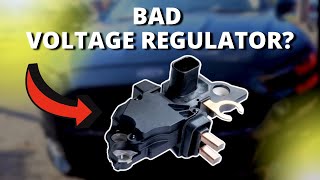
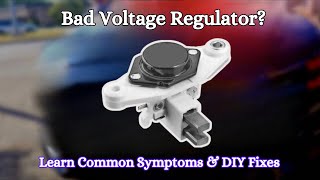
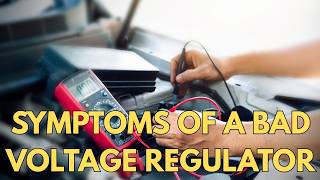
It might. The voltage regulator is a common failure point, but your issues could also be caused by a worn-out generator, corroded wiring, a bad ground connection, or a faulty battery. It's best to test the system to confirm the regulator is the problem 🎬 Learn how to diagnose and fix voltage regulator issues yourself. before replacing parts.
Helpful Videos
Technical Specifications
OEM Part Numbers: 1539579 1550091 1552493 1555237 1558528
System Voltage: 12V, Ground Type: Varies by year/model (Positive or Negative), Technology: Mechanical (OEM) or Solid-State/Electronic (Aftermarket)
We Have This Part in Stock


The information in this article is provided for general reference and educational purposes only. Vehicle specifications, procedures, and part compatibility can vary by production date, trim level, and region. Always consult your vehicle's factory service manual and verify part numbers before purchasing or performing repairs. Safety-critical components such as airbags, seat belts, and braking systems should be installed by a qualified professional.