

Jeep CJ3 Starter Motor: A Guide for 1960-1966 Models
Everything you need to know before replacing the starter on your classic CJ3.
- Crucially, you must identify if your CJ3 has a 6-volt or 12-volt electrical system before ordering a part.
- Always check your battery, ground straps, and cable connections for tightness and corrosion before replacing the starter.
- Standard replacement starters (like MPA) are fine for stock vehicles, while high-torque starters (like Powermaster) are a smart upgrade for reliability, especially on 12V conversions.
- Replacement is a simple DIY job for most owners, requiring only basic tools and access from under the vehicle.
Is Your CJ3 Starter Failing?
A starter problem on a classic Jeep isn't always straightforward. Because these vehicles have simple electrical systems, a starting issue can point to the battery, cables, or the starter itself. Before you replace the starter, always check the easy things first: ensure your battery is fully charged and that the battery terminals and ground straps are clean and tight. Poor connections are a very common problem.
Common Symptoms of a Bad Starter:
- Single, Loud Click: You press the starter button and hear one loud "CLACK" from the engine bay, but the engine doesn't turn over. This often means the starter solenoid is engaging but the motor isn't spinning.
- Whirring or Spinning Noise: You hear the starter motor spinning freely, but it doesn't engage the engine. This suggests the starter's Bendix drive gear is not extending to meet the flywheel.
- No Sound at All: If there's no click and no sound, and you've confirmed the battery is good, the problem could be in the starter switch or the starter motor itself.
- Slow Cranking: If the engine turns over very slowly, especially if you have a 6-volt system, it could be a sign of a weak starter, but also check for undersized battery cables.
A Note on 6-Volt vs. 12-Volt Systems
Many 1960-1966 CJ3s have been converted from their original 6-volt electrical system to a more modern 12-volt system. It is common for owners to keep the original 6-volt starter after a 12-volt conversion. While this works and provides a very fast, powerful start, it can shorten the starter's life if you crank the engine for long periods. When buying a new starter, it is critical to know if your Jeep is a 6-volt or 12-volt system to ensure you get the correct part.
Choosing the Right Aftermarket Starter
For a vehicle of this age, finding a new Original Equipment (OEM) starter is not practical. Your choice is between a standard aftermarket replacement and a high-torque upgrade.
Standard Replacement Starters (MPA)
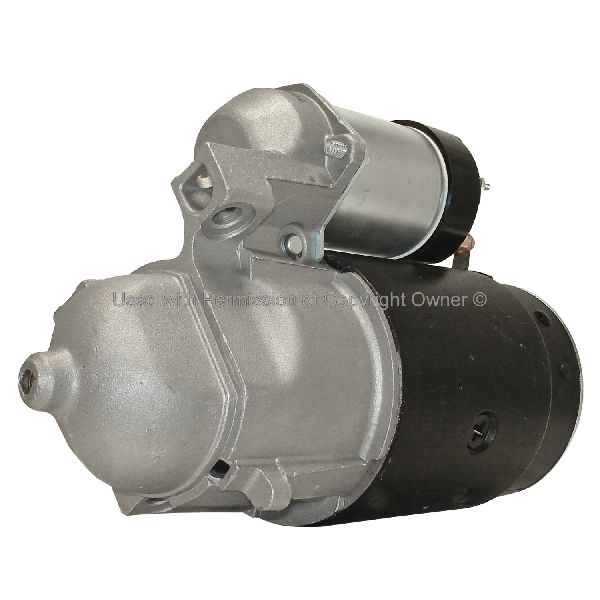
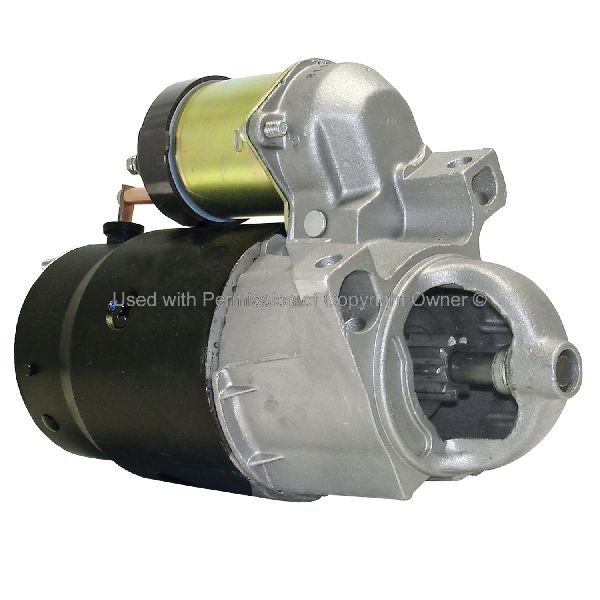
Brands like MPA (Motorcar Parts of America) produce new starters designed to be direct replacements for the original. These are a reliable and cost-effective choice for a stock or lightly restored CJ3 with its original engine. They are built to meet or exceed the performance of the factory part and are perfect for owners who want to maintain originality without the hassle of rebuilding an old component.
High-Torque Starters (Powermaster)
Brands like Powermaster specialize in high-performance starters. These are often smaller, lighter, and use a gear-reduction design to spin the engine with more force (torque) while drawing less power from the battery. A high-torque starter is an excellent upgrade if:
- You have converted to a 12-volt system and want a starter designed for it.
- Your Jeep has a modified engine with higher compression.
- You experience "heat soak," where the starter struggles to crank a hot engine.
- You want faster, more reliable starts in all conditions.
Many classic Jeep owners find the reliability and stronger cranking of a high-torque starter to be a worthwhile investment, even on a stock engine.
New Aftermarket Starter Cost for 1960-1966 Jeep CJ3
| Brand Tier | Average Part Cost | Best For |
|---|---|---|
| Standard Replacement (MPA) | $94 - $150 | Stock vehicles, budget-conscious repairs |
| High-Torque Upgrade (Powermaster) | $180 - $224 | 12V conversions, modified engines, improved reliability |
Frequently Asked Questions
Is it hard to replace the starter on a CJ3?
No, for a mechanic with basic tools, this is a straightforward job. It involves disconnecting the battery, getting under the vehicle, removing two bolts holding the starter to the engine, and disconnecting the main power cable. Access is generally good.
Do I need a 6-volt or 12-volt starter?
You must match the starter to your Jeep's electrical system. Check your battery. A 6-volt battery has 3 filler caps on top, while a 12-volt battery has 6. If you have a 12-volt system, a 12-volt starter is the most reliable long-term choice, though many people use 6-volt starters on 12-volt systems for short cranking periods.
My starter just spins, what's wrong?
If you hear a whirring sound but the engine doesn't turn, the starter's Bendix gear is not engaging the flywheel. This can be caused by a faulty Bendix mechanism within the starter or sometimes alignment issues. In this case, the starter needs to be replaced.
Are there any recalls for the 1960-1966 Jeep CJ3 starter?
No. Searches of the National Highway Traffic Safety Administration (NHTSA) database show no recalls or technical service bulletins (TSBs) related to the starter motor for this vehicle.
Technical Specifications
System Voltage: 6V or 12V Flywheel Teeth: 124 or 129 (Varies by year/model) Activation: Mechanical foot pedal or electrical key switch (Varies by year/model)
We Have This Part in Stock

The information in this article is provided for general reference and educational purposes only. Vehicle specifications, procedures, and part compatibility can vary by production date, trim level, and region. Always consult your vehicle's factory service manual and verify part numbers before purchasing or performing repairs. Safety-critical components such as airbags, seat belts, and braking systems should be installed by a qualified professional.