

1960-1964 Studebaker Hawk HVAC Heater Hose Guide
Keep your classic Hawk's cabin warm and its engine safe by understanding its HVAC heater hose needs.
- Failing heater hoses can cause coolant leaks, engine overheating, and loss of cabin heat.
- New aftermarket hoses from a quality brand like Gates are the standard replacement for these classic vehicles.
- Always replace hose clamps when installing new hoses to ensure a leak-free seal.
- While the part is affordable, a major leak can lead to critical engine damage, so don't delay replacement.
Signs of a Failing HVAC Heater Hose
A bad heater hose on your Studebaker Hawk can cause noticeable problems. Because these are simple rubber parts that are over 60 years old, they can become brittle, crack, or swell over time. It's important to know what to look for before a small issue becomes a major headache.
Common Symptoms:
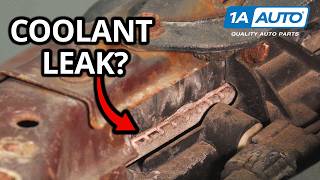
- Coolant Leaks: You might see puddles of green or yellow-colored fluid under your car. A leak could also appear as crusty residue around the hose connections.
- Engine Overheating: If a hose fails and leaks a significant amount of coolant, your engine won't be able to cool itself properly. This can cause the temperature gauge to spike, leading to serious engine damage.
- No Heat in Cabin: A leak that lowers coolant levels means there isn't enough hot fluid reaching the heater core. You may also have a clogged hose, which prevents coolant from flowing correctly. 🎬 Learn how to tell if your heater core is clogged.
- Sweet Smell: The smell of maple syrup or a sweet odor inside or outside the car 🎬 Watch this guide on coolant leak symptoms you shouldn't ignore. is a classic sign of a coolant leak.
- Visible Hose Damage: Check your hoses for cracks, splits, bulges, or soft spots. A swollen or mushy hose is a sign that it's breaking down from the inside and could fail at any moment.
Warning: Do Not Drive with a Major Coolant Leak
If you notice your temperature gauge in the red or a large puddle of coolant under the car, do not drive. Continuing to run the engine can cause it to overheat, which may lead to warped cylinder heads or other catastrophic engine failures. A small leak should be addressed immediately before it gets worse.
Choosing the Right Aftermarket Heater Hose
Original Equipment Manufacturer (OEM) parts for a 1960-1964 Studebaker are no longer produced. Any "OEM" part you find would be New Old Stock (NOS), which can be rare and expensive. For a wearable part like a heater hose, a new aftermarket part is the standard and most practical choice.
Brand Spotlight: Gates
Gates is a well-known and respected brand in the automotive aftermarket, especially for belts and hoses. Their products are designed to meet or exceed OE specifications. For the Studebaker Hawk, Gates offers both pre-molded and universal heater hoses.
- Molded Hoses: These are pre-shaped to fit your vehicle exactly, which makes installation easier and ensures there are no kinks that could restrict coolant flow. Some specific formed hoses are available for the Hawk.
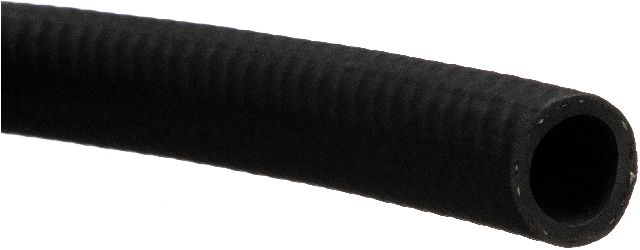
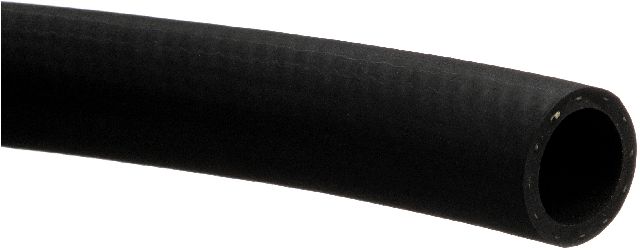
- Universal Hoses: In some cases, a universal hose cut to the correct length may be used. This is a common practice for classic cars where specific molded hoses are hard to find. Gates universal hoses are made from high-quality EPDM rubber that resists heat and chemicals.
Pro Tip: Replace Your Hose Clamps
When you replace your heater hoses, it's always a good idea to replace the hose clamps as well. Old clamps can lose their tension and may not provide a secure seal, leading to leaks. Gates recommends this as a best practice.
Estimated Costs
The cost for a new aftermarket heater hose is reasonable, but labor can add to the total if you don't do the work yourself. The job is considered relatively easy for a DIY mechanic.
| Part/Service | Estimated Cost |
|---|---|
| New Aftermarket Heater Hose (Gates) | $81.22 - $93.36 |
| Shop Labor | $100 - $200 |
| Total Estimated Cost | $181.22 - $293.36 |
Frequently Asked Questions
Are there any recalls for the Studebaker Hawk heater hose?
No, there are no specific recalls or Technical Service Bulletins (TSBs) from the National Highway Traffic Safety Administration (NHTSA) for the HVAC heater hose on the 1960-1964 Studebaker Hawk. Given the vehicle's age, such documentation is rare.
Can I use a universal heater hose on my Hawk?
Yes, in many cases, a universal hose with the correct diameter can be cut to length and used. However, if the original hose has sharp bends, a pre-molded hose is the better option to prevent kinking and ensure proper coolant flow.
Why is my car still overheating after replacing the heater hose?
If a new hose doesn't fix an overheating problem, the issue lies elsewhere. Common causes on a Studebaker include a bad thermostat, a clogged radiator, sludge in the engine block, a worn water pump, or incorrect ignition timing.
🎬 See how to overhaul the cooling system on a Studebaker.What type of coolant should I use in my Studebaker Hawk?
For classic cars like the Hawk, a conventional "green" ethylene glycol-based coolant is typically recommended. Always check your vehicle's service manual or a trusted Studebaker resource for the correct type and mixture.
Helpful Videos


Technical Specifications
OEM Part Numbers: 1553638 1555917
Hoses are typically made of EPDM rubber to resist heat, ozone, and chemical coolants. The required diameter is most commonly 5/8 inch. Molded hoses are available for specific connections, such as from the control valve to the heater core.
We Have This Part in Stock

The information in this article is provided for general reference and educational purposes only. Vehicle specifications, procedures, and part compatibility can vary by production date, trim level, and region. Always consult your vehicle's factory service manual and verify part numbers before purchasing or performing repairs. Safety-critical components such as airbags, seat belts, and braking systems should be installed by a qualified professional.