

A Guide to Replacing Brake Hoses on Your 1960-1964 Studebaker Hawk
Keep your classic Studebaker's brakes dependable by understanding how to choose the right new aftermarket brake hoses.
- Your Hawk has three hoses; it is best practice to replace all of them at the same time.
- You must correctly identify if you have front drum or front disc brakes, as the front hoses are different.
- New aftermarket hoses from brands like Centric, Raybestos, and Dorman are the standard, reliable replacement.
- The most difficult part of the job is often removing rusted fittings without damaging the hard brake lines.
Signs of a Failing Brake Hose
As a critical safety part made of rubber, brake hoses wear out over time. For a classic car like a 1960-1964 Studebaker Hawk, it is wise to consider them a regular wear item. If your hoses are original, they are long overdue for replacement. Look for these warning signs:
- Visible Cracks or Damage: Inspect the hoses for cracks, chafing, or swelling. Any visible damage means the hose should be replaced immediately.
- Spongy Brake Pedal: Old, soft hoses can bulge or expand under pressure instead of transferring that force to the brakes. This results in a mushy-feeling brake pedal and reduced stopping power.
- Brake Fluid Leaks: Puddles of fluid near the wheels or visible wetness on the hoses themselves are a clear sign of a leak. This is a critical failure that can lead to a complete loss of braking.
- Sticking Brakes or Pulling: A hose can fail internally, where a flap of rubber acts like a one-way valve. This can trap pressure on one side, causing a brake to drag or stick, which may make the car pull to one side and cause excessive heat.
Choosing the Right Aftermarket Hoses
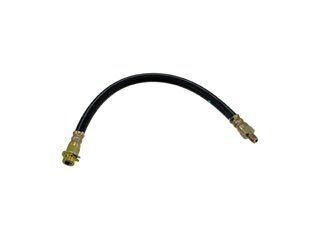
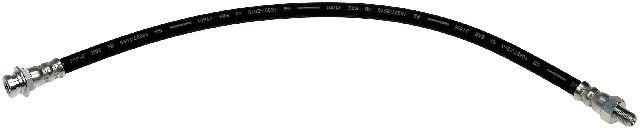
Finding a new "OEM" Studebaker brake hose is not possible. The market today consists entirely of new aftermarket parts, which are the standard for replacement. The most important step is to identify what kind of front brakes your Hawk has. Base models came with drum brakes, but front disc brakes were an option on Gran Turismo (GT) models, especially in 1963 and 1964. The front hoses for disc brake cars are different from those for drum brake cars.
| Brand Tier | Brands | Notes |
|---|---|---|
| Standard / Economy | Sunsong, Dorman | These brands offer a direct, affordable replacement that meets all required safety standards. Many sources suggest that Sunsong manufactures hoses for other brands, including Dorman. They are a perfectly acceptable choice for a standard repair. |
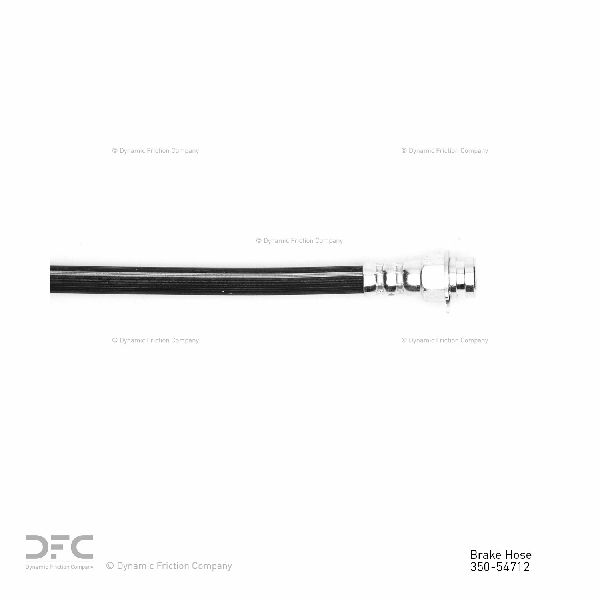
| Mid-Grade / Professional | Centric, Dynamic Friction | Centric is a well-regarded brand in the aftermarket, known for good quality and fit. They are a popular choice for both DIYers and professional shops. |
| Premium | Raybestos | Raybestos has a long-standing reputation for quality brake components. Choosing a premium brand may offer extra peace of mind, though all DOT-approved hoses are safe for use. |
Pro Tip: Since all three rubber hoses on your Hawk have been exposed to the same conditions for the same amount of time, it is highly recommended to replace both front hoses and the rear hose at the same time. This ensures the integrity of the entire flexible portion of your brake system.
Frequently Asked Questions
How many brake hoses does my 1960-1964 Hawk have?
Your Studebaker Hawk has three flexible hydraulic brake hoses. There is one for each of the front wheels and a single hose that connects the steel line on the body to the rear axle assembly.
Are stainless steel braided hoses a better option?
Stainless steel braided hoses are a popular performance upgrade. They have a Teflon inner liner with a stainless steel braid on the outside, which prevents the hose from expanding under pressure. This can result in a firmer, more responsive brake pedal. For a stock Studebaker Hawk used for normal driving, standard high-quality rubber hoses are perfectly adequate and were the original design. Braided hoses are a good option for a modified car or if you prefer the firmest possible pedal feel.
Do I need to replace my brake fluid when I replace the hoses?
Yes. Replacing the hoses requires opening the hydraulic system, which will drain some fluid and introduce air. After installing the new hoses, you must bleed the entire brake system to remove all air bubbles. This is the perfect opportunity to flush out all the old brake fluid and replace it with fresh, new fluid of the correct type (typically DOT 3 or 4), which should be done every few years regardless.
What is the hardest part of replacing the brake hoses on a Hawk?
For a car of this age, the most common challenge is dealing with rusted fittings where the rubber hose connects to the hard steel brake line. These fittings can be seized and are easily damaged if you use the wrong tool. It is essential to use a proper flare nut wrench (not a standard open-end wrench) and to soak the fittings in penetrating oil beforehand to have the best chance of removing them without damaging the steel lines.
Technical Specifications
OEM Part Numbers: 519637 (Front, without disc brakes) 1543003 (Rear) 1557543 (Front, with disc brakes)
System consists of two front hoses and one rear hose. Front hoses differ between drum and disc brake applications.
We Have This Part in Stock


The information in this article is provided for general reference and educational purposes only. Vehicle specifications, procedures, and part compatibility can vary by production date, trim level, and region. Always consult your vehicle's factory service manual and verify part numbers before purchasing or performing repairs. Safety-critical components such as airbags, seat belts, and braking systems should be installed by a qualified professional.